Perimenopause Explained: What Really Happens to Your Body and How Hormone Therapy Helps

Perimenopause is a natural phase in every woman’s life, yet it remains widely misunderstood. Often starting in your late 30s to early 50s, perimenopause is the transitional period leading to menopause. During this time, hormonal fluctuations trigger physical, emotional, and cognitive changes that can significantly impact your daily life. Understanding what happens in your body and exploring treatment options like hormone therapy can help women navigate this stage with confidence and clarity.
What is Perimenopause? Understanding the Basics
Perimenopause, often called the “menopause transition,” is the phase leading up to menopause when your ovaries gradually produce less estrogen and progesterone. These hormones regulate reproductive function, bone health, metabolism, mood, and more. As their levels fluctuate, women can experience a wide range of physical, emotional, and cognitive changes. This stage can last several years, usually beginning in a woman’s late 30s to early 50s, and the severity of symptoms varies from person to person.
Here are some of the most common changes women experience during perimenopause:
1. Irregular Menstrual Cycles
One of the first signs of perimenopause is changes in your period. Cycles may become shorter or longer, flow may be heavier or lighter, and spotting between periods can occur. These changes happen because ovulation becomes less predictable as hormone levels fluctuate. Tracking your cycle can help you notice patterns and identify irregularities early.
2. Hot Flashes and Night Sweats
Hot flashes are sudden sensations of intense heat, often accompanied by sweating and a rapid heartbeat. Night sweats are hot flashes that occur during sleep, disrupting rest. These symptoms are caused by changes in the body’s temperature regulation system due to declining estrogen. For some women, hot flashes can be mild and occasional, while others may experience them multiple times a day.
3. Mood Changes, Anxiety, or Irritability
Hormonal fluctuations can affect neurotransmitters in the brain, such as serotonin and dopamine, which play a role in mood regulation. This can lead to mood swings, irritability, heightened anxiety, or feelings of sadness. Emotional changes can feel unpredictable and may impact relationships and daily life. Practicing mindfulness, stress management, and seeking professional support can help manage these effects.
4. Difficulty Sleeping
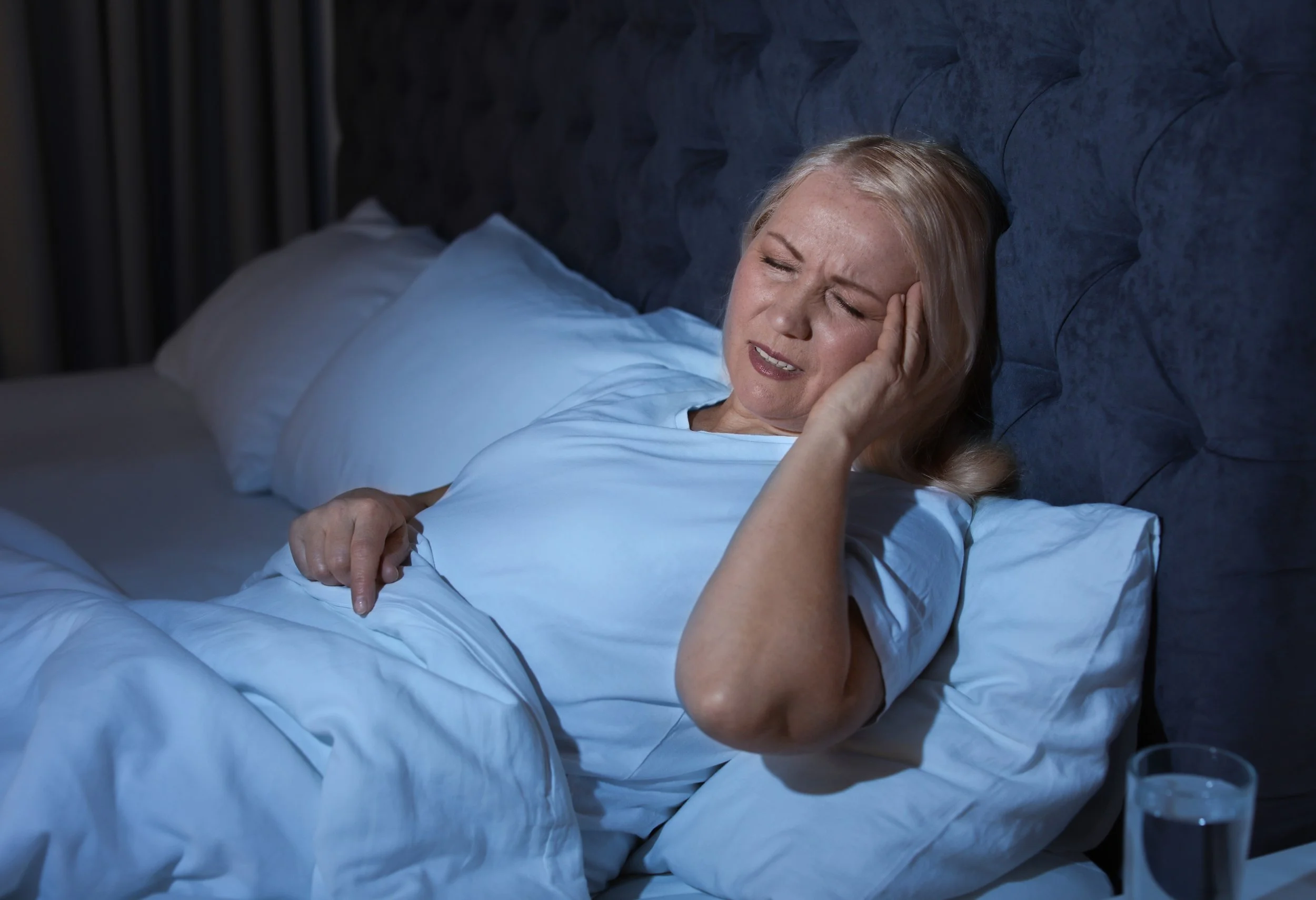
Sleep disturbances are common during perimenopause, often due to night sweats, hormonal changes, or anxiety. Women may experience trouble falling asleep, waking frequently during the night, or feeling unrefreshed in the morning. Chronic sleep disruption can worsen fatigue, mood swings, and cognitive difficulties, making it important to address sleep hygiene and seek guidance if problems persist.
5. Vaginal Dryness
Decreasing estrogen levels can lead to thinning and drying of vaginal tissues, resulting in discomfort, itching, or pain during sexual activity. Vaginal dryness can also increase the risk of infections. Lubricants, moisturizers, and targeted hormone therapies can help maintain vaginal health and improve comfort.
6. Changes in Libido and Energy Levels
Many women notice shifts in sexual desire and overall energy during perimenopause. Reduced hormone levels can affect libido, physical stamina, and motivation. This doesn’t have to be permanent lifestyle changes, stress management, and hormone therapy can help restore vitality and sexual well-being.
While perimenopause is a normal part of aging, the timing and severity of symptoms vary widely. Some women notice only mild changes, while others experience significant disruption to their daily life.
Why it happens:
Hormones are chemical messengers that regulate reproductive health, metabolism, bone density, and mood. As estrogen levels fluctuate, the body reacts in ways that can feel unpredictable. Understanding these changes is the first step in taking control of your health during perimenopause.
How Perimenopause Affects Your Body
Hormonal fluctuations during perimenopause influence multiple systems in the body:
1. Reproductive System
Menstrual cycles become irregular, often longer or shorter than usual. Ovulation may become inconsistent, which can impact fertility.
2. Metabolism and Weight Management
Declining estrogen slows metabolism and redistributes body fat, often increasing weight around the abdomen. Insulin sensitivity may also decrease, raising the risk of type 2 diabetes.
3. Cardiovascular Health
Lower estrogen levels can affect heart health by impacting cholesterol balance and arterial flexibility, increasing long-term risk for heart disease.
4. Bone Health
Estrogen helps maintain bone density. As levels decline, women may experience faster bone loss, increasing the risk of osteoporosis.
5. Brain and Mood
Hormonal shifts can affect neurotransmitters like serotonin and dopamine, leading to mood swings, anxiety, depression, or brain fog.
Tip: Tracking symptoms and cycles with a journal or app can help you identify patterns and provide valuable insights for healthcare consultations.
Common Symptoms and How to Identify Them
Symptoms of perimenopause can vary widely, but some of the most common include:
1. Hot Flashes & Night Sweats
Hot flashes are sudden waves of heat that can make your face and upper body feel flushed and sweaty. They often occur unpredictably during the day or night, sometimes waking you from sleep as night sweats. These episodes can last from a few seconds to several minutes and may disrupt daily activities and rest.
2. Sleep Disturbances
Many women experience difficulty falling asleep, staying asleep, or waking up feeling unrefreshed during perimenopause. Hormonal changes, especially fluctuations in estrogen and progesterone, can affect the body’s sleep regulation. Night sweats, anxiety, or an overactive mind can further worsen sleep quality, leading to daytime fatigue and irritability.
3. Mood Changes
Shifts in estrogen levels can influence brain chemicals like serotonin and dopamine, which regulate mood. This can result in irritability, anxiety, low mood, or sudden emotional swings that feel overwhelming. Some women also notice increased sensitivity to stress or changes in emotional resilience during this phase.
4. Cognitive Changes
Perimenopause can bring challenges with memory, focus, and mental clarity, often described as “brain fog.” Women may find it harder to concentrate, recall names or dates, or complete complex tasks efficiently. These cognitive shifts are temporary and typically improve when hormonal balance is restored through lifestyle strategies or therapy.
5. Sexual Health Changes
Declining estrogen and progesterone can affect sexual desire, vaginal lubrication, and comfort during intercourse. Many women experience reduced libido, dryness, and discomfort, which can impact intimacy and relationships. Solutions include vaginal moisturizers, lubricants, and, in some cases, targeted hormone therapy.
6. Physical Changes
Hormonal fluctuations can also lead to changes in body composition and appearance. Common physical changes include weight gain, particularly around the abdomen, thinning hair, and decreased skin elasticity. Maintaining a balanced diet, regular exercise, and proper skincare can help manage these changes effectively.
Common mistake to avoid: Ignoring symptoms or assuming they are just a normal part of aging. Early intervention can significantly improve quality of life.
Actionable step: Keep a detailed log of symptoms, including timing, severity, and triggers. This helps your doctor provide a more personalized treatment plan.
Hormone Therapy What It Is and How It Helps
Hormone therapy (HT), also known as hormone replacement therapy (HRT), can be a highly effective way to manage perimenopause symptoms.
How Hormone Therapy Works:
HT replenishes declining estrogen (and sometimes progesterone), helping restore hormonal balance. Depending on your needs, therapy can be delivered via:
Pills
Patches
Gels or creams
Vaginal rings
Benefits of Hormone Therapy:
Reduces hot flashes and night sweats
Improves sleep quality
Stabilizes mood and reduces anxiety
Supports bone density and reduces fracture risk
Enhances vaginal and sexual health
Important Considerations:
Hormone therapy is not suitable for everyone. Women with certain health conditions, such as breast cancer history or blood clots, may need alternative approaches. A thorough consultation with a qualified healthcare provider ensures safety and personalized care.
Lifestyle Strategies to Complement Hormone Therapy
Hormone therapy can be highly effective in managing perimenopause symptoms, but pairing it with healthy lifestyle habits maximizes results and supports overall well-being. Practical strategies include:
1. Nutrition
A well-balanced diet is essential during perimenopause to support bone, heart, and metabolic health. Prioritizing calcium and vitamin D helps maintain bone density and reduces the risk of osteoporosis, which increases as estrogen levels decline. Eating a variety of fruits, vegetables, whole grains, and lean proteins provides essential vitamins and minerals that support energy, hormone balance, and overall health. Limiting sugar, refined carbs, and highly processed foods can help manage weight, stabilize blood sugar, and reduce inflammation, which often becomes more pronounced during perimenopause.
2. Exercise
Regular physical activity is a cornerstone of healthy aging and complements hormone therapy by supporting multiple systems in the body. Weight-bearing exercises like walking, jogging, or dancing help strengthen bones and maintain skeletal integrity. Cardiovascular exercise, such as swimming, cycling, or brisk walking, improves heart health, circulation, and stamina, while also aiding in weight management. Strength training with resistance exercises preserves muscle mass, boosts metabolism, and enhances functional fitness, which can decline naturally during perimenopause.
3. Stress Management
Managing stress is crucial for hormone balance and emotional well-being. Practices like yoga, meditation, and deep breathing exercises can calm the nervous system, reduce cortisol levels, and improve mood stability. Maintaining good sleep hygiene such as a consistent bedtime, limiting screen time before sleep, and creating a restful environment supports both hormone regulation and cognitive function. Mindfulness techniques, journaling, or therapy can also help women navigate mood swings, anxiety, and emotional fluctuations associated with perimenopause.
4. Regular Check-Ups
Routine medical care ensures that hormone therapy is safe, effective, and tailored to your needs. Bloodwork can monitor hormone levels, cholesterol, and blood sugar, while screenings for bone density assess osteoporosis risk. Regular check-ups with a healthcare professional allow for timely adjustments to therapy, early detection of potential health issues, and a comprehensive approach to overall wellness. Being proactive in medical care empowers women to maintain optimal health throughout perimenopause and beyond.
Real-Life Examples & Encouragement
Many women report transformative changes after addressing perimenopause proactively. For example:
Sarah, 45: Began tracking her symptoms and started hormone therapy with lifestyle adjustments. Within months, her hot flashes decreased, sleep improved, and energy returned.
Emma, 38: Focused on diet, exercise, and supplements after noticing early signs. Her mood stabilized, and she regained confidence in managing her body changes.
Takeaway: Perimenopause doesn’t have to mean loss of control. By understanding your body, tracking changes, and seeking professional guidance, you can maintain energy, focus, and overall well-being throughout this phase.
Key Takeaways & Next Steps
Perimenopause is a natural transition but can feel challenging due to its complex hormonal shifts. The main points to remember:
Hormonal changes affect multiple systems: reproductive, metabolic, cardiovascular, bone, and brain health.
Symptoms are diverse but manageable with awareness and early action.
Hormone therapy, when guided by a healthcare professional, can provide significant relief and improve quality of life.
Lifestyle strategies nutrition, exercise, stress management complement medical interventions.
Tracking symptoms and consulting with a specialist ensures a personalized, safe approach.
Next Steps:
Begin documenting symptoms and cycles today.
Schedule a consultation with a qualified healthcare provider to discuss hormone therapy options.
Integrate lifestyle changes to support your body during this transition.
Conclusion
Perimenopause is a pivotal and transformative stage in a woman’s life, but it doesn’t have to be overwhelming or discouraging. While hormonal changes can bring a variety of physical, emotional, and cognitive symptoms, understanding what is happening in your body is the first step toward regaining control. With the right knowledge, supportive lifestyle habits, and guidance from qualified healthcare professionals, you can manage symptoms effectively and maintain your energy, confidence, and overall well-being.
At The Balanced Woman, we emphasize a holistic approach combining evidence-based hormone therapy, nutrition, exercise, stress management, and regular medical check-ups to help women navigate perimenopause with clarity and balance. Remember, this phase is not the end of vitality; it’s an opportunity to prioritize your health, embrace self-care, and cultivate a stronger, more empowered version of yourself. By taking proactive steps now, you can ensure that perimenopause becomes a stage of growth, resilience, and renewed balance in your life.