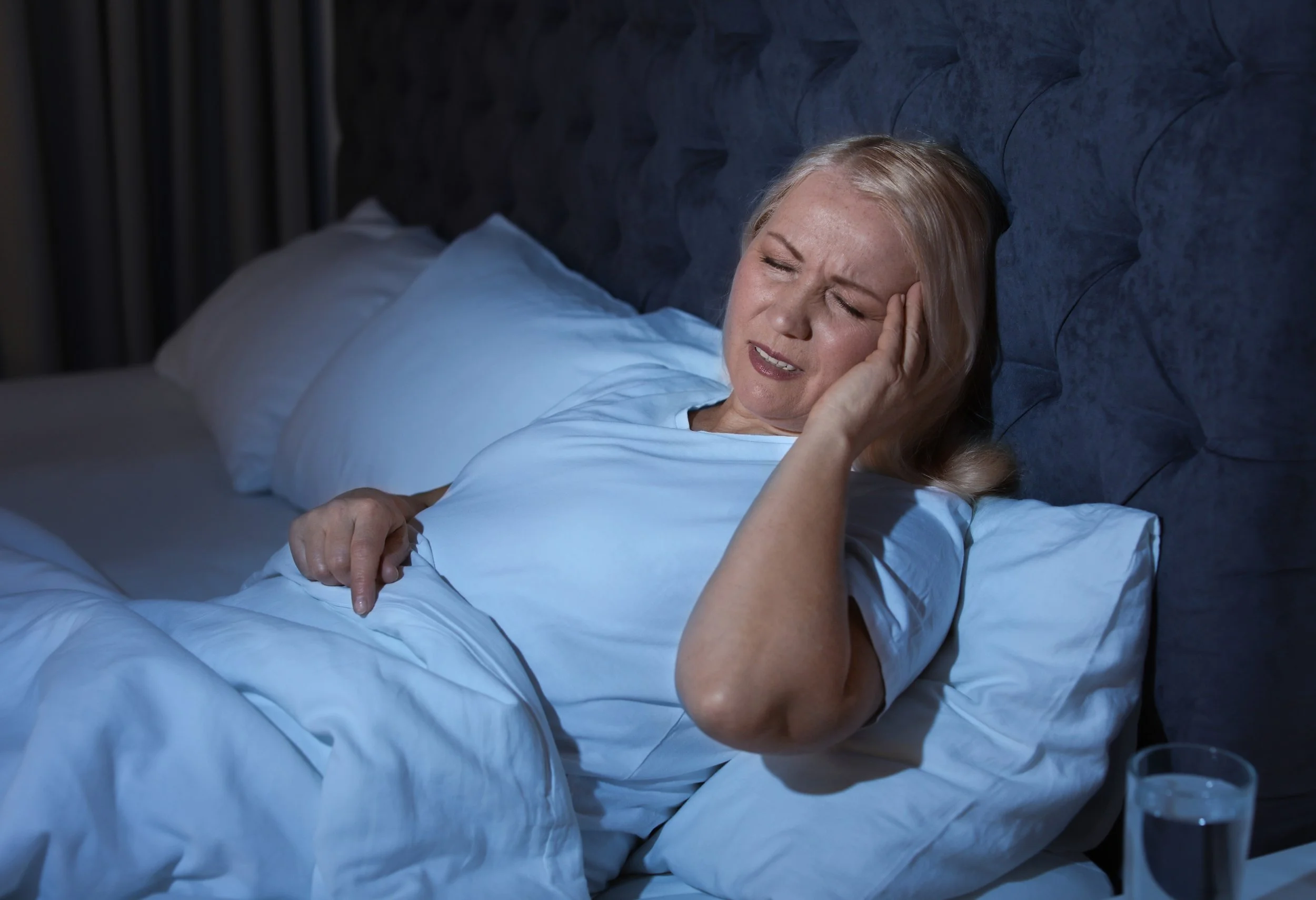
Sleep Solutions for Women in Menopause: What Really Works for Restful Nights

Sleep problems are among the most frustrating symptoms women face during menopause. Between night sweats, hormonal imbalance, mood changes, and the unpredictable “3 a.m. wake-up,” many women feel exhausted, overwhelmed, and disconnected from their normal rhythm of life.
This long-form guide is designed to help menopausal women finally get the deep, restorative sleep they deserve, while also explaining how hormone therapy (HT) can support natural sleep cycles and reduce symptoms that make restful nights so difficult.
Below, you’ll find step-by-step sleep strategies, expert-backed insights, case-style examples, top resources, and a comparison of solutions that actually work.
A Step-by-Step Guide: How to Improve Sleep During Menopause
This guide helps you build a sleep routine specifically designed for the challenges of menopause.
Regulate Your Sleep Environment
Menopause affects temperature regulation, making nighttime heat a major sleep disruptor.
Actions to take:
Keep your bedroom between 60–67°F (15–19°C).
Use breathable bedding like bamboo, TENCEL, or cotton.
Switch pillows to cooling gel or moisture-wicking styles.
Choose pajamas made for hot sleepers.
Common mistake: Sleeping with heavy blankets or synthetic fabrics that trap heat.
Tools that help: Cooling fans, moisture-wicking sheets, and mattress toppers designed for hot sleepers.
Train Your Hormonal Clock
As women enter perimenopause and menopause, one of the biggest changes happening beneath the surface is the disruption of the body’s internal clock, also known as the circadian rhythm. This internal clock regulates when you feel awake, sleepy, energetic, hungry, calm, or restless. When estrogen and progesterone begin to decline, this finely tuned system becomes imbalanced.
Why Hormones Affect Your Internal Clock
Estrogen influences serotonin and melatonin, the hormones that promote calmness and signal your brain that it’s time to wind down.
Progesterone acts like a natural sedative, helping you relax and fall asleep faster.
When these hormones decrease, the brain struggles to differentiate between day and night signals, causing:
Difficulty falling asleep
Waking up multiple times
Early morning restlessness
Exhaustion despite sleeping “long enough”
Daytime sleepiness or brain fog
Regulating your internal clock helps rebuild the predictable rhythm your body is craving.
Actions to Take to Retrain Your Hormonal Clock
1. Go to Bed and Wake Up at the Same Time Daily
This may sound simple, but consistency is one of the most powerful sleep medicines, especially in menopause.
Why it works:
It re-teaches your body when to release melatonin
Stabilizes cortisol (the stress hormone)
Helps eliminate the 2–4 AM wake-ups
Improves the depth and quality of your sleep
Tip:
Pick a bedtime and wake-up time that feels sustainable, even on weekends. Your body needs repetition to rebuild hormonal rhythm.
Example schedule:
Sleep: 10:30 PM
Wake: 6:30 AM
Stick to this for 14 days and you’ll feel a noticeable shift.
2. Use Morning Sunlight to Reset Your Circadian Rhythm
The first 10–30 minutes after waking are crucial.
Sunlight signals your brain to:
Stop nighttime melatonin production
Start daytime hormone release
Increase alertness
Improve mood
Regulate cortisol timing
This natural “light therapy” is one of the easiest ways to support menopausal sleep.
How to apply it:
Go outside within 20 minutes of waking
Sit near a sunny window if you can’t go outside
Aim for 5–15 minutes of direct morning light
This daily light exposure helps your brain re-learn that morning = energy and night = rest.
3. Limit Late Afternoon or Evening Naps
Long or late naps can confuse your hormonal clock, especially when your hormones are already fluctuating.
Why this happens:
Your brain may think you already “slept,” delaying melatonin release
Naps after 3 PM push your natural bedtime later
Daytime dozing increases nighttime wakefulness
If you must nap:
Keep it under 20–30 minutes
Avoid napping past 2:00 PM
Nap in a bright area so your brain knows it’s still daytime
A well-timed nap refreshes you.
A late nap disrupts your night.
Additional Strategies to Support Your Hormonal Clock
To make this section even richer and more actionable, here are extra tips that support hormonal rhythm regulation:
4. Eat on a Consistent Schedule
Your internal clock also relies on meal timing.
Irregular meals can trigger nighttime hunger or cortisol spikes.
Try:
Regular meals at the same time each day
Protein-rich breakfast
Light, early dinner to avoid nighttime indigestion
5. Move Your Body During the Day
Daytime movement signals alertness and helps reduce nighttime restlessness.
Best options:
Morning walks
Midday stretching
Light strength training
Gentle evening yoga (but avoid intense workouts late at night)
6. Reduce Screen Exposure 1–2 Hours Before Bed
Blue light disrupts melatonin production, making it harder to feel sleepy.
Try:
Dimming lights
Using warm screen filters
Switching to calming activities like reading, journaling, or meditation
7. Use Relaxation Rituals to Reinforce Nighttime Mode
Your brain loves patterns.
Create “evening signals” that prepare your body for rest.
Ideas:
Warm bath
Light stretching
Chamomile or magnesium tea
Slow breathing exercises
Listening to calming music
These rituals act as gentle cues telling your mind:
“It’s safe to rest now.”
Why Training Your Hormonal Clock Matters
Retraining your circadian rhythm during menopause helps you:
Fall asleep faster
Stay asleep longer
Reduce night sweats
Lower nighttime anxiety
Improve morning energy
Regain cognitive clarity
Support a healthier metabolism
When your internal clock is aligned, everything else, mood, energy, appetite, motivation, begins to stabilize.
Tool: Sunrise alarm clocks that mimic natural light.
Troubleshooting: If you fall asleep late, DO NOT sleep in. Wake up at the same time to reset your rhythm.
Calm Your Nervous System Before Bed
Low progesterone increases anxiety and tension, making it harder to settle at night.
Actions to take:
Try a 10-minute breathing routine.
Do light stretching or yin yoga.
Use magnesium glycinate before sleep (if approved by a professional).
Reduce bright screens 1 hour before bedtime.
Mistake to avoid: Watching stimulating shows or scrolling social media until you fall asleep.
Build a Menopause-Friendly Night Routine
Small habits can produce big sleep improvements.
Try this 30-minute wind-down routine:
Dim your lights.
Sip a warm herbal tea (chamomile, lavender, valerian).
Use calming scents like lavender or bergamot.
Write a quick brain-dump list to reduce mental overload.
Do 10 minutes of slow breathing or guided relaxation.
Reduce Night Sweats Naturally
Night sweats are one of the biggest sleep killers during menopause.
Actions to take:
Avoid spicy foods and alcohol before bed.
Lower thermostat earlier in the evening.
Take a cool shower before sleep.
Keep a glass of water and a small hand fan near your bedside.
Talk to a Provider About Hormone Therapy
For many women, sleep doesn't improve until the root cause,hormonal imbalance is addressed.
Hormone therapy can:
Reduce hot flashes and night sweats
Improve mood and reduce anxiety
Lower nighttime awakenings
Support deeper REM sleep
Restore your natural sleep-wake cycle
Understanding Why Menopause Disrupts Sleep
Key terms explained simply:
Estrogen: Regulates temperature, mood, and sleep quality.
Progesterone: A natural calming hormone that promotes relaxation.
Cortisol: Stress hormone that spikes when estrogen drops, keeping women alert at night.
Circadian rhythm: Your body's internal clock that signals sleepiness.
Menopause disrupts all four of these systems, making sleep more unpredictable and fragmented.
Troubleshooting when nothing seems to work:
If you wake up nightly at 2–3 a.m., your cortisol may be too high.
If you can’t fall asleep, you may be low in progesterone.
If night sweats wake you up, your estrogen is likely dropping.
If you feel wired at bedtime, reduce caffeine after 2 p.m.
Top 10 Tools to Improve Sleep During Menopause
Cooling mattress topper
Moisture-wicking pajamas
Magnesium glycinate
Room-darkening curtains
Sunrise-wake alarm clock
Lavender essential oil
Chilled water bottle
Air purifying fan
Cooling pillow
Sleep tracking apps
Each tool helps enhance your sleep environment and reduce menopausal triggers.
Top Books and Podcasts for Menopause Sleep Help
"The Menopause Manifesto" – Dr. Jen Gunter
"Hormone Repair Manual" – Lara Briden
The Sleep Doctor Podcast
The Midlife Feast Podcast (menopause-focused)
Each resource adds valuable education and empowerment for navigating midlife changes.
Top Challenges Women Face With Menopause Sleep
Challenge #1: Night Sweats
Solution: Cooling bedding + hormone therapy + lower carbohydrate dinner
Challenge #2: Anxiety or Racing Thoughts
Solution: Guided meditation + magnesium + restoring progesterone levels
Challenge #3: Tossing and Turning
Solution: Temperature regulation + consistent sleep schedule
Challenge #4: Waking at 3 a.m.
Solution: Blood sugar stabilization + mindfulness + cortisol regulation
Challenge #5: Feeling Hot All Night
Solution: Estrogen support + breathable fabrics
Misconception: “Poor Sleep Is Just Part of Menopause.”
This is false.
Many women believe they simply have to endure sleep problems, but the reality is:
Hormone therapy combined with lifestyle changes can significantly improve sleep quality.
Case Studies & Success Stories
Case Story: Sarah, 51
Problem:
Sarah woke up 4–5 times a night drenched in sweat.
Strategy:
Cooling bedding
Consistent sleep schedule
Estrogen therapy
Result:
Within 4 weeks, she slept through the night for the first time in 2 years.
Case Story: Melissa, 48
Problem:
Anxiety kept her awake until 2 a.m.
Strategy:
Magnesium
Evening routine
Progesterone therapy
Result:
Her sleep onset cut from 90 minutes to 15 minutes.
Why Hormone Therapy Is One of the Most Underrated Sleep Solutions for Menopause
Many women try supplements, teas, sleep apps, and cooling gear, but still struggle.
Why?
Because sleep disruption in menopause is rooted in hormonal imbalance.
Addressing it at the source often brings the biggest improvement.
Natural Sleep Aids vs. Hormone Therapy
Magnesium
Pros: Easy to use
Cons: Mild effect
Best For: Light sleep issues
Melatonin
Pros: Helps sleep onset
Cons: Doesn’t help night sweats
Best For: Occasional trouble sleeping
Herbal Teas
Pros: Calming
Cons: Temporary
Best For: Bedtime relaxation
Hormone Therapy
Pros: Treats the root cause
Cons: Requires medical evaluation
Best For: Night sweats • Mood swings • Sleep imbalance
Hormone therapy remains the most effective for regulating sleep patterns disrupted by menopause.
Ultimate Guide to Sleep During Menopause
Maintain a cool room
Keep a consistent schedule
Reduce stimulants after 2 p.m.
Build a calming bedtime routine
Address hormonal imbalance
These will always matter year after year.
A Day in the Life of a Woman With Menopausal Sleep Issues
Imagine this:
You wake up three times a night, feel exhausted at 7 a.m., fight brain fog all day, and by evening, you’re drained.
This blog offers strategies to change this cycle.
What Research Shows:
Up to 60% of menopausal women experience insomnia.
Women with severe night sweats are 5x more likely to have disrupted sleep.
Hormone therapy has shown significant improvement in sleep quality when estrogen levels are stabilized.
What’s Causing Your Menopause Sleep Issue?
Choose the statement that fits you best:
A. “I woke up soaked in sweat.”
B. “My mind won’t turn off.”
C. “I wake up around 3 a.m. every night.”
D. “I can't fall asleep at all.”
Results explained:
A → Estrogen drop
B → Low progesterone
C → Cortisol imbalance
D → Nervous system overstimulation
Sleep in menopause isn’t just a nighttime issue, it affects your energy, mood, relationships, and overall quality of life.
With the right routines, tools, and professional support (including hormone therapy when appropriate), restful nights can become your new normal.
At The Balanced Woman…
We believe every woman deserves restful sleep, balanced hormones, and a body that feels like hers again.
Our wellness approach supports sleep through:
Hormone therapy (when appropriate)
Nutrition guidance
Personalized wellness support
Lifestyle coaching
Symptom tracking
A compassionate team who actually listens
If you're tired of sleepless nights, hot flashes, or feeling “unlike yourself,” The Balanced Woman is here to help you reclaim your energy, your rest, and your balance naturally and confidently.