Understanding Estrogen and Progesterone: How Imbalances Affect Sleep, Mood, and Skin Health

Hormones are the body’s silent conductors, orchestrating everything from energy levels to emotional well-being. Among these, estrogen and progesterone are two of the most influential for women, especially when it comes to sleep, mood, and skin health. Yet, hormonal imbalances are more common than many realize, quietly affecting daily life. In this guide, we’ll break down what these hormones do, how their imbalance shows up, and practical ways to support your body naturally.
The Role of Estrogen and Progesterone in the Female Body
Estrogen: The “Master Hormone”
Estrogen regulates the menstrual cycle, supports reproductive health, and influences bone density and cardiovascular function. Beyond that, it affects neurotransmitters in the brain that modulate mood, sleep, and cognitive function.
Key Functions of Estrogen:
Supports healthy sleep cycles
Estrogen helps regulate the production of melatonin, the hormone that controls sleep-wake cycles. Low estrogen can lead to insomnia or fragmented sleep, making it harder to feel rested.Improves skin elasticity and hydration
Estrogen stimulates collagen production, keeping skin firm and reducing the appearance of fine lines. It also helps maintain moisture levels, preventing dryness and promoting a youthful glow.Balances mood by influencing serotonin and dopamine
Estrogen plays a role in the brain’s neurotransmitter systems, helping regulate mood and emotional stability. When levels drop, women may experience irritability, anxiety, or low mood more frequently.Promotes healthy hair growth and scalp function
Estrogen extends the hair growth phase, resulting in thicker and stronger hair. It also supports scalp health by maintaining natural oil production, reducing dryness and breakage.
Progesterone: The Calming Counterpart
Progesterone often works in tandem with estrogen, especially in the second half of the menstrual cycle. It has calming, anti-anxiety effects and is essential for preparing the body for pregnancy. Progesterone also contributes to restful sleep and plays a role in regulating inflammation.
Key Functions of Progesterone:
Promotes relaxation and reduces anxiety
Supports deep, restorative sleep
Works with estrogen to maintain healthy skin
Aids in maintaining hormonal balance and menstrual regularity
Signs of Hormonal Imbalance
Hormonal imbalances may present subtly at first but can escalate if not addressed. Here’s what to watch for:
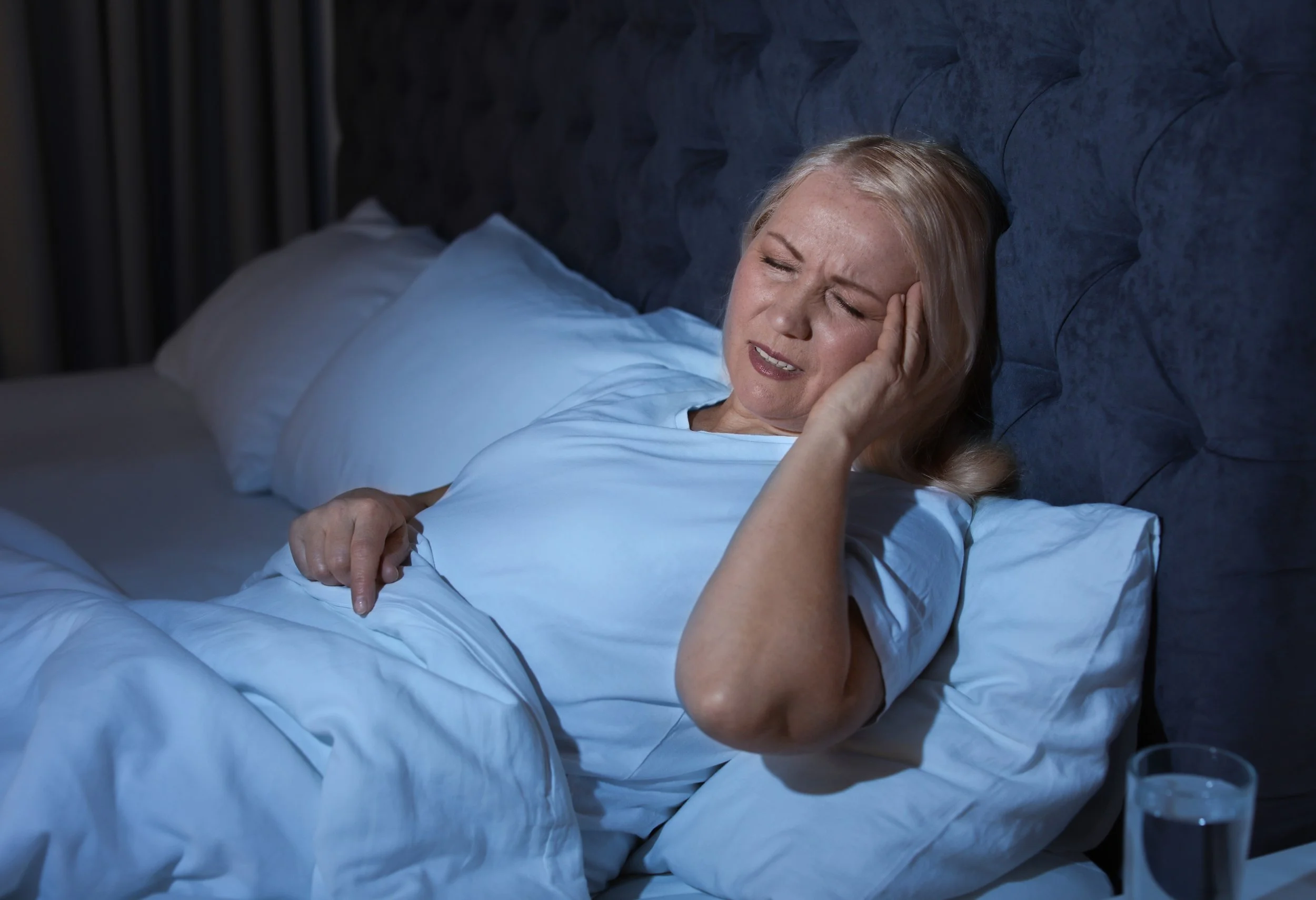
Sleep Disruption
Difficulty falling asleep or staying asleep
Frequent night sweats or hot flashes
Restless, non-restorative sleep
Mood Changes
Irritability, anxiety, or unexplained sadness
Difficulty managing stress
Sudden emotional swings, especially premenstrually
Skin and Hair Concerns
Dryness, acne, or increased oiliness
Premature wrinkles or loss of elasticity
Hair thinning or scalp sensitivity
Recognizing these early signs can help prevent more severe health concerns down the line.
How Imbalances Develop
Several factors contribute to estrogen and progesterone imbalances:
Lifestyle Factors: High stress, poor sleep, and nutrient deficiencies
Aging: Perimenopause and menopause naturally reduce hormone production
Medical Conditions: PCOS, thyroid disorders, and obesity can disrupt hormone levels
Environmental Influences: Exposure to endocrine-disrupting chemicals in plastics, personal care products, and pesticides
Understanding the root cause is critical for effective management.
Practical Steps to Restore Balance
Achieving hormonal harmony requires a holistic approach that combines lifestyle adjustments, nutrition, stress management, and, when necessary, professional guidance. Nutrition plays a foundational role: prioritizing protein-rich foods and healthy fats provides the building blocks for hormone production, while including cruciferous vegetables like broccoli, kale, and Brussels sprouts supports estrogen metabolism. Limiting processed foods, refined sugars, and highly caffeinated beverages helps prevent blood sugar spikes and hormonal fluctuations that can worsen symptoms like mood swings and fatigue.
Sleep hygiene is equally important. Maintaining a consistent sleep schedule, even on weekends, helps regulate your body’s internal clock and ensures adequate melatonin production. Avoiding screens at least an hour before bedtime minimizes blue light exposure, which can disrupt sleep patterns, while calming routines such as meditation, deep breathing, or sipping herbal teas like chamomile signal your body that it’s time to relax and prepare for restorative sleep.
Managing stress effectively is another crucial factor. Chronic stress elevates cortisol, which can interfere with estrogen and progesterone balance. Daily practices such as mindfulness, yoga, walking, or simple deep-breathing exercises help reduce stress levels and support emotional regulation. Journaling can also be a powerful tool for processing emotions and identifying stress triggers, giving you more control over your mental and hormonal health.
Finally, professional guidance can help tailor solutions to your specific needs. Working with a healthcare provider to test hormone levels provides valuable insights into whether imbalances are present and what interventions are appropriate. In some cases, bioidentical hormone therapy may be recommended to restore balance safely. Additionally, supplements like magnesium, vitamin D, and adaptogenic herbs can support overall hormonal function and help alleviate symptoms naturally. Combining these strategies creates a comprehensive, sustainable approach to hormone health, improving sleep, mood, and skin from the inside out.
Everyday Lifestyle Hacks for Hormonal Health
Stay Hydrated: Adequate water intake supports skin and metabolic health
Exercise Smartly: Resistance training helps maintain estrogen levels, while cardio supports progesterone production
Prioritize Mental Health: Daily practices that reduce stress enhance progesterone activity
Limit Toxin Exposure: Opt for natural personal care products and organic foods when possible
These small but consistent habits can make a big difference over time.
When to Seek Medical Advice
While lifestyle strategies and natural approaches can often improve hormonal balance, it’s important to recognize when professional guidance is necessary. If you notice persistent sleep disturbances, mood swings, skin concerns, or other changes in your body that don’t improve with healthy habits, consulting a healthcare professional can help identify underlying issues early and prevent more serious complications. Hormonal imbalances can sometimes signal conditions such as thyroid disorders, polycystic ovary syndrome (PCOS), perimenopause, or other metabolic concerns that require specialized care.
Signs that should not be ignored include:
Persistent fatigue that impacts your ability to function in daily life or maintain focus
Irregular menstrual cycles, heavy bleeding, or unexpected spotting between periods
Rapid weight changes, either gain or loss, that occur without changes in diet or activity
Severe or sudden skin issues, including acne, dryness, or signs of premature aging
Noticeable hair thinning, hair loss, or scalp sensitivity
Heightened anxiety, depression, or mood swings that interfere with personal or professional life
Paying attention to these signals and seeking timely medical advice can help you address hormonal imbalances more effectively and maintain overall well-being. Early intervention ensures that you can safely restore balance, improve quality of life, and prevent long-term complications.
Final Thoughts: Balance as a Lifestyle, Not a Quick Fix
Hormonal health isn’t about temporary solutions, it's about cultivating a lifestyle that nurtures your body from the inside out. Understanding estrogen and progesterone’s role in sleep, mood, and skin empowers women to make informed choices and take proactive steps toward optimal wellness.
Balanced hormones mean more than feeling good; they are the foundation for sustained energy, emotional resilience, and radiant skin. Begin by observing your symptoms, adjusting your routines, and seeking professional guidance when necessary. With the right approach, hormonal balance is entirely achievable, and life can feel more harmonious and vibrant.
If you’re ready to take control of your hormonal health and experience meaningful improvements in your sleep, mood, and skin, The Balanced Woman is here to guide you every step of the way. Our personalized consultations are designed to understand your unique hormone profile, identify imbalances, and create a tailored program that fits your lifestyle and health goals. Through a combination of evidence-based strategies, nutritional guidance, stress management techniques, and, when appropriate, professional therapies, we help you restore balance safely and sustainably. Don’t let hormonal fluctuations dictate how you feel each day empower yourself with the knowledge, tools, and support to reclaim energy, emotional stability, and radiant skin. Begin your journey toward hormonal harmony and a more vibrant, balanced life today by booking your consultation with The Balanced Woman.