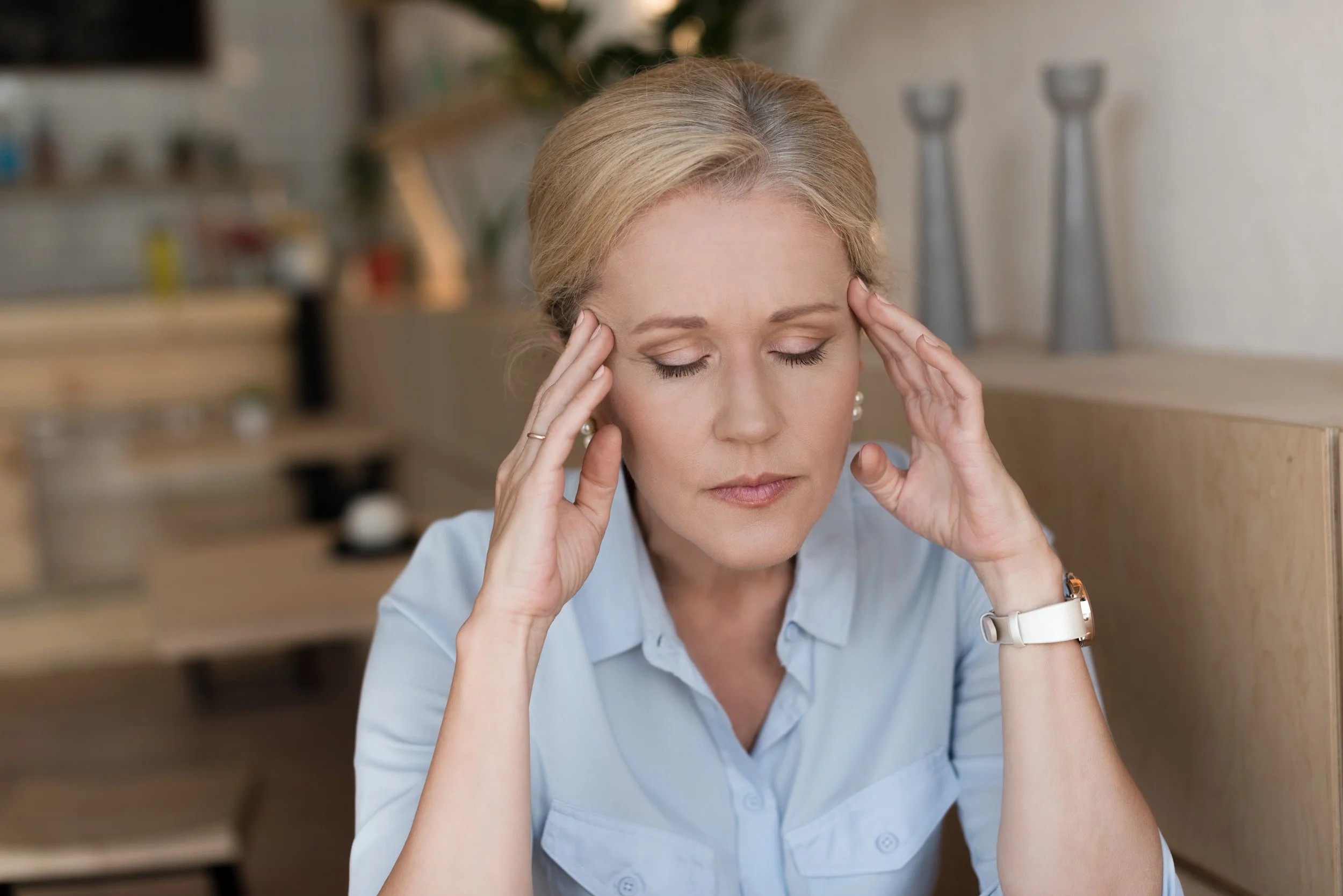
The Brain-Hormone Loop That Drives Anxiety in Women

Anxiety in women is often discussed as an emotional or psychological issue, but the deeper cause can sometimes begin inside the body. Hormones and brain chemistry are closely connected, creating a cycle that can either support emotional balance or intensify stress and anxiety symptoms. One of the most important relationships in this process is the interaction between cortisol and estrogen.
Many women experience periods of unexplained anxiety, irritability, mood swings, and mental fatigue during hormonal transitions such as perimenopause, menopause, postpartum recovery, or even chronic stress. Understanding the brain-hormone loop can help women make informed decisions about treatment options, including the best hormone replacement therapy and personalized wellness support.
What Is the Brain-Hormone Loop?
The brain-hormone loop refers to the ongoing communication between the brain, adrenal glands, ovaries, and neurotransmitters. Hormones influence brain chemicals, and brain chemicals influence hormone production. When this system is balanced, mood regulation, sleep, focus, and emotional resilience improve.
However, chronic stress can disrupt this cycle.
Cortisol, commonly known as the stress hormone, is released by the adrenal glands during physical or emotional stress. While cortisol is necessary for survival, consistently high levels can negatively affect estrogen levels and neurotransmitter activity.
Estrogen plays a major role in supporting serotonin, dopamine, and GABA. These neurotransmitters are responsible for mood stability, motivation, relaxation, and emotional well-being. When estrogen declines or fluctuates, neurotransmitter function may weaken, increasing feelings of anxiety and emotional instability.
This is why many women notice worsening anxiety during hormonal shifts.
How Cortisol Impacts Estrogen and Brain Chemistry
When stress becomes chronic, the body prioritizes cortisol production over reproductive hormone balance. This can create a hormonal imbalance that affects emotional health.
High cortisol levels may contribute to:
Increased anxiety and panic symptoms
Difficulty sleeping
Brain fog and poor concentration
Irritability and emotional sensitivity
Fatigue and low motivation
Changes in appetite and cravings
Research has shown that long-term stress exposure can interfere with serotonin production and receptor sensitivity. Estrogen normally supports serotonin activity, which is why hormonal changes can significantly influence mood.
Women experiencing perimenopause often face a double challenge. Estrogen levels begin fluctuating while cortisol levels rise due to stress, lifestyle demands, or poor sleep. This combination can intensify anxiety symptoms more than many people realize.
For some women, exploring the best hormone replacement therapy can help stabilize hormonal fluctuations and improve emotional health.
The Role of Neurotransmitters in Women’s Anxiety
Neurotransmitters are chemical messengers that regulate mood and emotional responses. Estrogen has a direct impact on several key neurotransmitters linked to anxiety.
Serotonin
Serotonin helps regulate happiness, calmness, and sleep. Estrogen supports serotonin production and receptor activity. When estrogen declines, serotonin levels may also decrease, leading to increased anxiety or depressive symptoms.
Dopamine
Dopamine influences motivation, focus, and pleasure. Hormonal imbalances may affect dopamine pathways, contributing to low energy and emotional exhaustion.
GABA
GABA is the brain’s calming neurotransmitter. Estrogen supports healthy GABA activity, which helps reduce stress responses. Low estrogen levels may make it harder for the body to manage anxiety effectively.
This neurological connection explains why hormone therapy for women is increasingly being considered as part of a broader mental wellness strategy.
Why Anxiety Symptoms Often Increase During Perimenopause
Perimenopause is one of the most common periods when women notice a significant increase in anxiety symptoms. Hormone levels fluctuate unpredictably during this stage, particularly estrogen and progesterone.
At the same time, life stressors often increase during midlife. Career pressure, caregiving responsibilities, sleep disruption, and metabolic changes can all elevate cortisol levels.
This creates a powerful feedback loop:
Stress increases cortisol
Cortisol disrupts hormone balance
Hormonal imbalance affects neurotransmitters
Neurotransmitter disruption worsens anxiety
Anxiety increases stress and cortisol further
Breaking this cycle requires addressing both hormonal health and stress regulation together.
How Hormone Therapy May Support Emotional Wellness
For women experiencing hormone-related anxiety symptoms, individualized care can make a meaningful difference. The best hormone replacement therapy plans are designed to restore hormonal balance while considering each woman’s unique symptoms and health history.
Hormone therapy for women may help support:
Mood stability
Sleep quality
Mental clarity
Energy levels
Emotional resilience
Nervous system regulation
Many women today prefer working with a telehealth HRT provider because it offers convenient access to specialized care without requiring frequent in-person visits.
A telehealth HRT provider can evaluate symptoms, review lab testing, and create customized treatment plans remotely. This approach has made hormone care more accessible for women balancing busy schedules and family responsibilities.
The Growing Popularity of Online Hormone Care
Digital healthcare has changed how women access hormone support. Many patients now seek an HRT online prescription through licensed telehealth platforms that focus on hormone optimization and women’s wellness.
An HRT online prescription allows women to receive professional guidance, treatment recommendations, and medication delivery from home. This convenience is especially valuable for women living in areas with limited access to hormone specialists.
Choosing a reputable telehealth HRT provider is important. Women should look for providers that offer evidence-based treatment, medical oversight, comprehensive hormone testing, and ongoing support.
Brands like The Balanced Woman are helping modernize hormone therapy for women by offering accessible care models that prioritize education, personalization, and long-term wellness.
Lifestyle Factors That Influence the Brain-Hormone Loop
While medical treatment may help some women, lifestyle habits also play a critical role in regulating cortisol and hormone balance.
Prioritize Sleep
Poor sleep raises cortisol levels and disrupts hormone production. Consistent, high-quality sleep supports emotional regulation and neurotransmitter function.
Reduce Chronic Stress
Stress management techniques such as meditation, walking, deep breathing, and mindfulness can help lower cortisol and support nervous system recovery.
Support Blood Sugar Balance
Blood sugar spikes and crashes can increase cortisol release. Balanced meals rich in protein, fiber, and healthy fats help stabilize energy and mood.
Exercise Regularly
Moderate exercise supports dopamine production, reduces stress hormones, and improves overall hormone health.
Seek Professional Guidance
Women experiencing persistent anxiety symptoms, hormonal shifts, or emotional instability should consider speaking with a qualified telehealth HRT provider to explore available treatment options.
Finding the Right Treatment Approach
Every woman’s hormonal profile is different. What works for one person may not work for another. The best hormone replacement therapy plans are personalized and carefully monitored to ensure safety and effectiveness.
Some women benefit from estrogen therapy, while others may need a combination approach involving progesterone, lifestyle interventions, stress management, and nutritional support.
An HRT online prescription may offer a more convenient path to care, but treatment should always involve licensed medical professionals and ongoing monitoring.
As awareness grows around the connection between hormones and mental health, more women are recognizing that anxiety is not always “just stress.” Hormonal changes can significantly influence brain chemistry, emotional resilience, and overall quality of life.
Final Thoughts
The relationship between cortisol, estrogen, and neurotransmitters forms a powerful brain-hormone loop that can strongly influence anxiety in women. When stress hormones and reproductive hormones become imbalanced, emotional symptoms may intensify and become difficult to manage without proper support.
Understanding this connection empowers women to explore solutions that address the root cause instead of only masking symptoms. Whether through lifestyle changes, support from a telehealth HRT provider, or the best hormone replacement therapy options available, women today have more tools than ever to regain balance and improve emotional well-being.
Brands like The Balanced Woman continue to make hormone therapy for women more accessible through personalized care and convenient HRT online prescription services designed for modern healthcare needs.