Not Just Hot Flashes: Hidden Signs You May Need Hormone Therapy
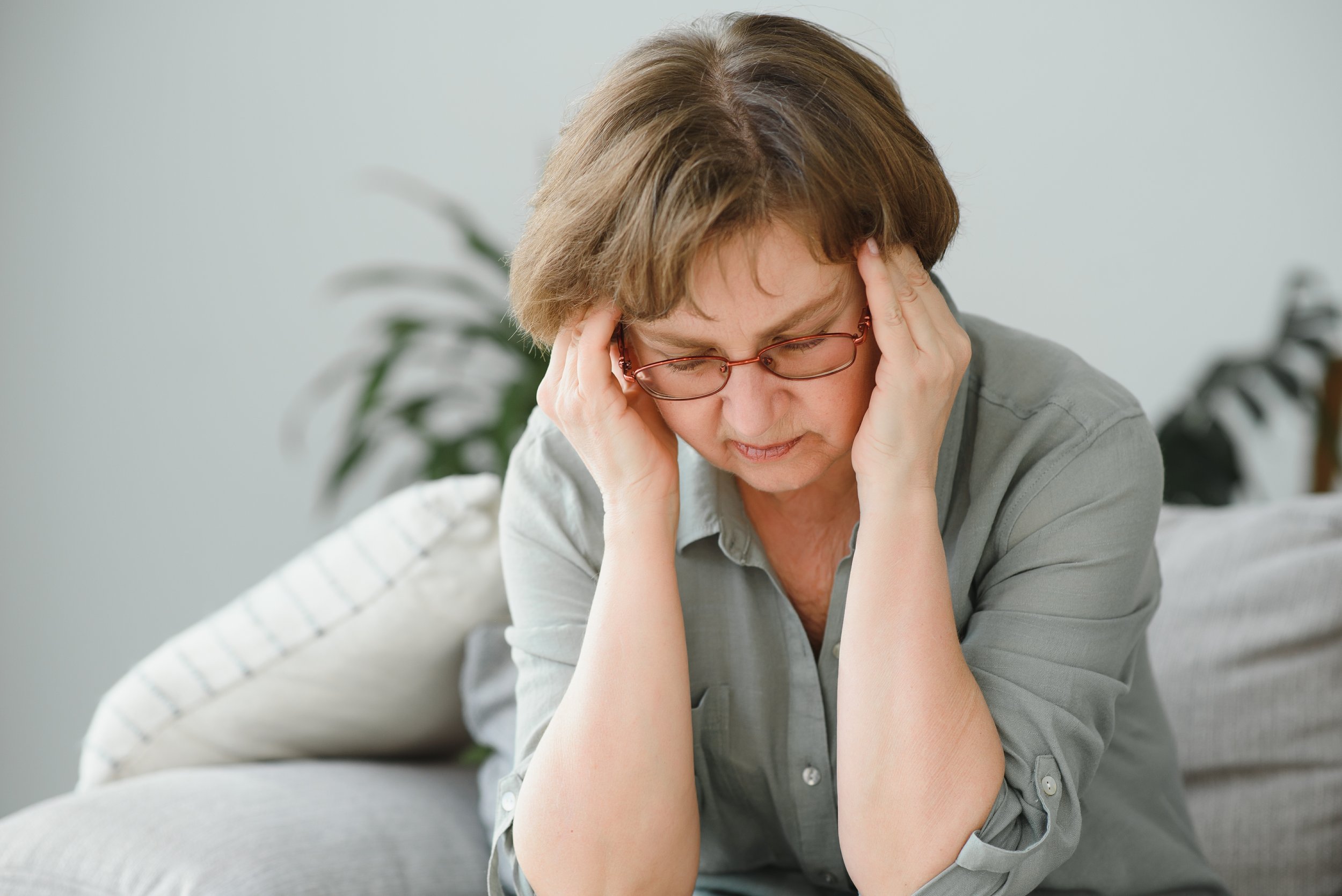
Hormonal changes are often reduced to a single, well-known symptom: hot flashes. But for many women, the transition into perimenopause and menopause is far more complex and far more subtle. The body sends signals long before the most obvious symptoms appear, and recognizing these early can make a meaningful difference in your quality of life.
In this comprehensive guide, we’ll walk you through the lesser-known signs of hormonal imbalance, how to address them, and when to consider professional support such as hormone therapy for women.
Recognizing the Hidden Signs of Hormonal Imbalance
Understanding your body is the first step toward better health. Here’s how you can identify whether your symptoms may be linked to hormonal changes.
Step 1: Track Your Symptoms Consistently
Many women overlook patterns because symptoms feel random. Keep a simple journal noting:
Mood changes
Sleep quality
Energy levels
Menstrual cycle irregularities
These are common perimenopause symptoms, which are often discussed by trusted health organizations like Mayo Clinic
Step 2: Look Beyond the Obvious
Not all symptoms are physical. Hormonal imbalance can affect:
Brain fog or forgetfulness
Anxiety or sudden irritability
Low motivation
Step 3: Assess Lifestyle Factors
Before jumping to conclusions, evaluate:
Stress levels
Diet and nutrition
Sleep habits
These factors can amplify or mimic hormonal changes.
Step 4: Consult a Professional Early
If symptoms persist, consider exploring perimenopause hormone treatment options with a qualified provider.
Top Hidden Symptoms You Shouldn’t Ignore
Here’s a curated list of lesser-known signs that may indicate hormonal imbalance:
1. Persistent Fatigue
Not just “being tired” this is a deep exhaustion that doesn’t improve with rest.
2. Sudden Weight Gain (Especially Around the Abdomen)
Hormonal shifts affect metabolism and fat storage.
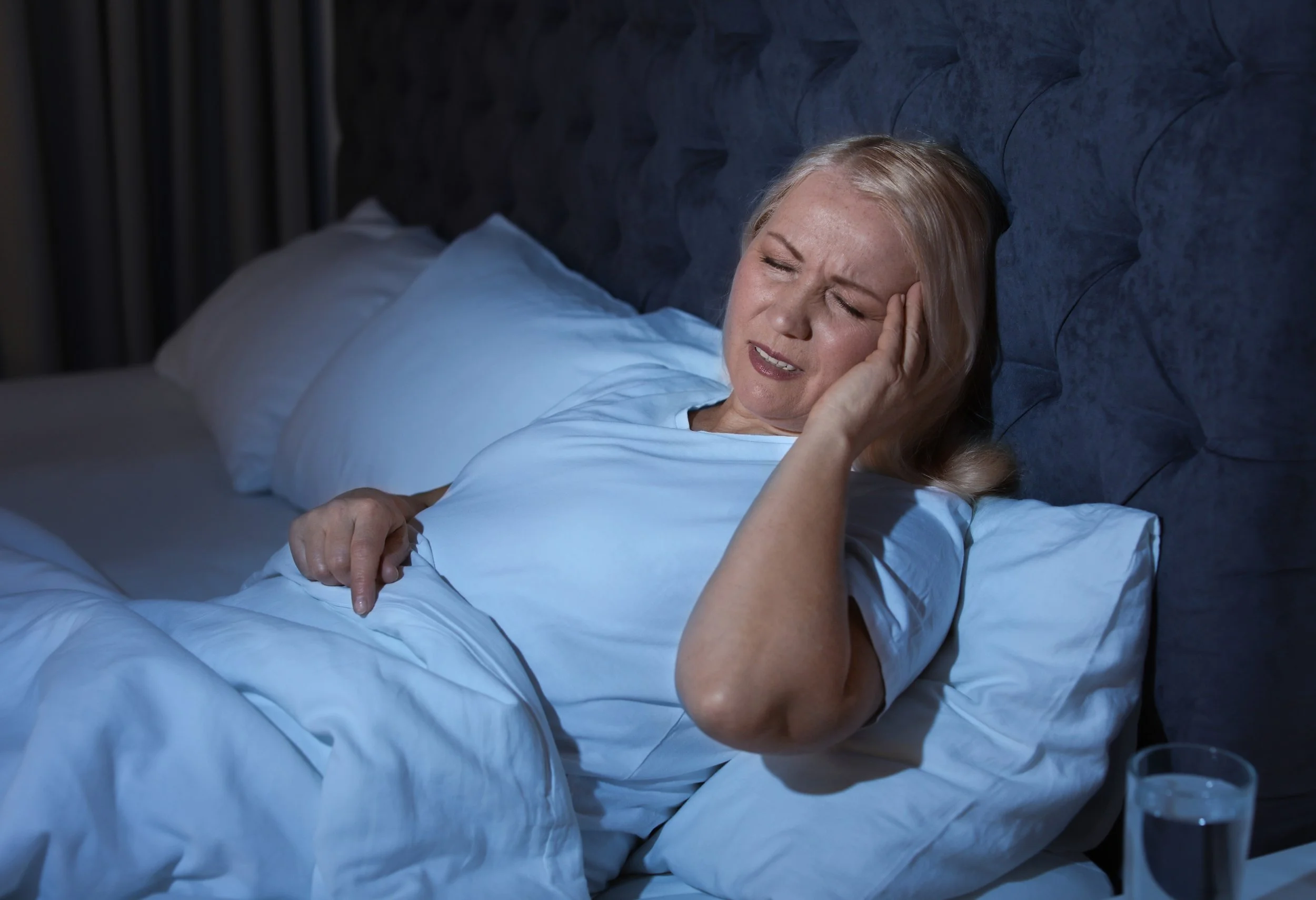
3. Sleep Disturbances Without Hot Flashes
Waking up at 2–3 AM consistently can be hormone-related.
4. Mood Swings or Anxiety
Estrogen influences serotonin, which impacts mood stability.
5. Low Libido
A gradual decline in sexual desire is a common but often unspoken symptom.
6. Dry Skin and Hair Thinning
Hormones play a major role in skin elasticity and hair growth.
7. Brain Fog
Difficulty concentrating or remembering things may be linked to hormonal fluctuations.
What These Symptoms Really Mean
Misdiagnosis
Many women are told their symptoms are due to stress or aging.
Request hormone level testing and a comprehensive evaluation.
Ignoring Early Warning Signs
Delaying action can worsen symptoms over time.
Early intervention through early menopause treatment can significantly improve long-term health outcomes.
Fear of Hormone Therapy
Misinformation often prevents women from exploring treatment options.
Modern hormone therapy for women is personalized and monitored, making it safer than outdated approaches.
Expert Perspective: Is Hormone Therapy Underrated?
There’s an ongoing debate about hormone therapy. While concerns exist, modern medicine has evolved significantly.
Why It May Be Underrated:
Personalized dosing reduces risks
Continuous monitoring improves safety
Can address multiple symptoms simultaneously
According to the North American Menopause Society, hormone therapy remains one of the most effective treatments for menopausal symptoms when appropriately prescribed:
Ignoring symptoms often leads to temporary coping rather than real solutions, allowing discomfort to increase over time and leaving many women feeling uncertain about what’s happening in their bodies. This approach can result in declining energy levels and a reduced quality of life. In contrast, taking action early provides a path toward long-term relief, improved overall well-being, and a clear diagnosis that helps guide the right treatment plan. Addressing concerns proactively especially through early menopause treatment can restore vitality and significantly improve your health trajectory.
When Should You Consider Hormone Therapy?
You may want to explore hormone therapy for women if:
Symptoms interfere with daily life
Natural remedies are not effective
You experience multiple perimenopause symptoms simultaneously
Common Mistakes to Avoid:
Self-diagnosing without testing
Relying solely on supplements
Ignoring emotional symptoms
FAQ: Your Most Common Questions Answered
Q: Are all symptoms obvious like hot flashes?
No. Many symptoms are subtle and often mistaken for stress or aging.
Q: Is hormone therapy safe?
When supervised by a healthcare provider, it is considered safe for many women.
Q: How early should I act?
As soon as symptoms begin affecting your quality of life.
What Research Says
Studies show that:
Up to 75% of women experience noticeable menopausal symptoms
Early treatment improves long-term cardiovascular and bone health
Are You Experiencing These Signs?
Ask yourself:
Do I feel “off” but can’t explain why?
Have my sleep patterns changed?
Am I experiencing emotional shifts without clear triggers?
If you answered yes to several, it may be time to explore perimenopause hormone treatment options.
Final Thoughts
Hot flashes may be the most talked-about symptom but they’re only part of the story. Hormonal imbalance can show up in ways that quietly affect your daily life, from your mood to your energy levels and beyond.
Understanding these hidden signs empowers you to take control of your health. Whether through lifestyle adjustments or hormone therapy for women, the key is recognizing when your body is asking for support.
Because feeling like yourself again isn’t just possible, it's something you deserve.