The Silent Hormonal Changes That Affect Skin, Hair, and Nails
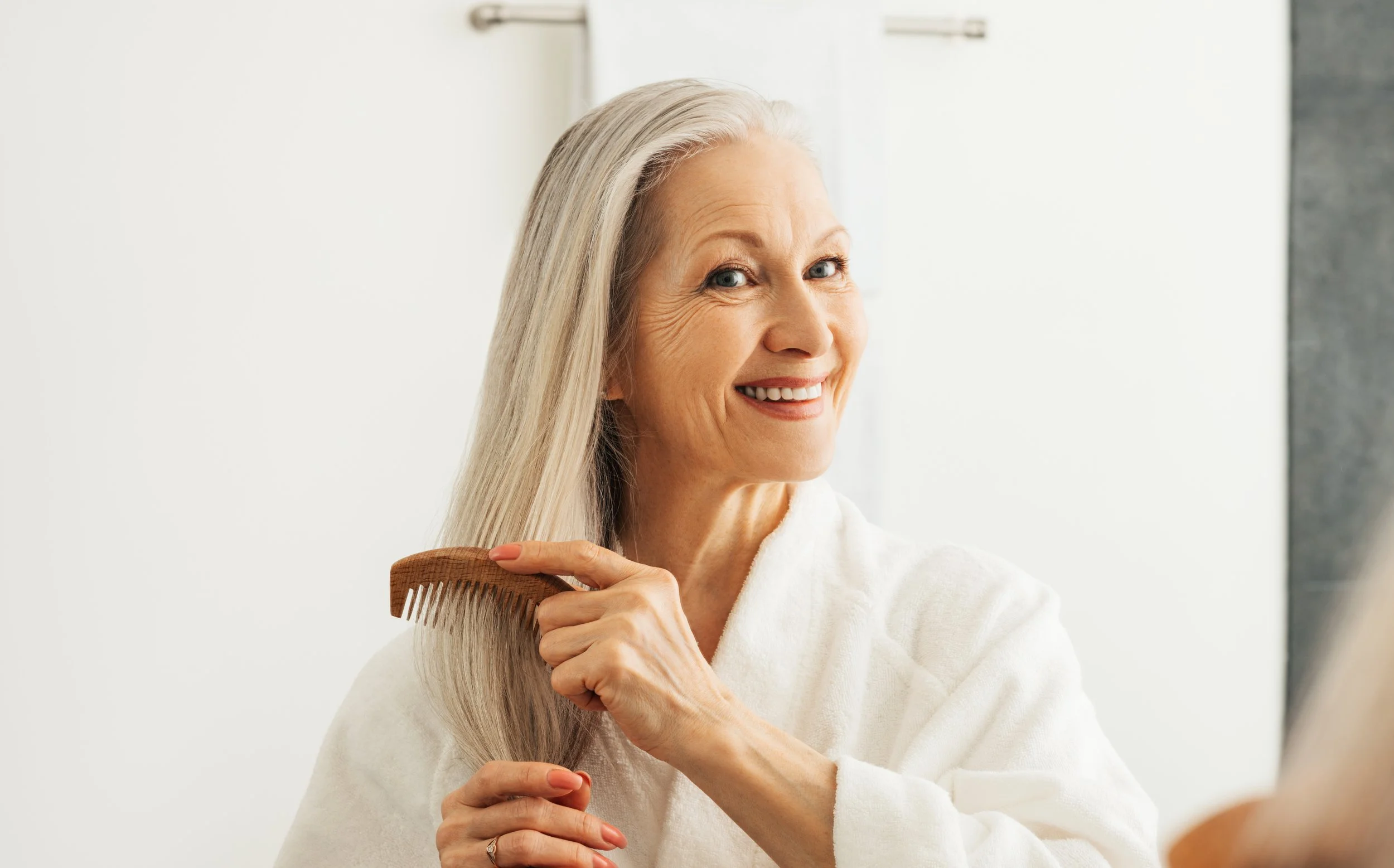
Many women notice subtle changes in their appearance long before they realize hormones may be the reason. Skin that once looked radiant starts feeling dry, hair becomes thinner, and nails become more brittle than usual. While aging is often blamed, the real cause is frequently a shift in hormone levels.
Fluctuations in estrogen and androgen levels happen naturally throughout life, especially during perimenopause and menopause. These hormonal changes can influence the health of your skin, hair, and nails in ways that are often overlooked. Understanding why these changes happen can help you take the right steps toward restoring your confidence and overall well-being.
If you have been searching for the best hormone replacement therapy, understanding the connection between hormones and your appearance is an important place to start.
Why Hormones Matter for Skin, Hair, and Nails
Hormones act as chemical messengers that regulate countless processes throughout the body. Estrogen and androgens are particularly important because they influence collagen production, hair growth, oil production, and nail strength.
When hormone levels remain balanced, your skin retains moisture, your hair grows consistently, and your nails stay resilient. As hormone levels shift, these natural processes begin to slow down.
Research has shown that declining estrogen levels during menopause contribute to reduced collagen production, lower skin elasticity, and increased dryness. Studies also suggest that hormonal changes may contribute to female pattern hair loss and slower nail growth.
These changes are not simply cosmetic concerns. They often affect self-esteem, confidence, and overall quality of life.
How Estrogen Supports Healthy Skin
Estrogen plays a major role in maintaining youthful and healthy skin.
It helps your body:
Produce collagen
Retain moisture
Improve skin elasticity
Support wound healing
Maintain skin thickness
As estrogen levels decline, collagen production decreases significantly. Some studies estimate that women lose up to 30 percent of skin collagen during the first five years after menopause.
The result is skin that feels:
Drier
Less elastic
More fragile
More prone to wrinkles
Slower to heal
Many women try expensive skincare products hoping for improvement. While quality skincare certainly helps, addressing the underlying hormonal imbalance often produces more noticeable and lasting results.
This is why many healthcare providers recommend evaluating whether hormone therapy for women may be appropriate for persistent symptoms related to menopause.
The Role of Androgens in Hair Health
Androgens are often thought of as male hormones, but women naturally produce them too.
Healthy androgen levels help support:
Hair growth
Muscle strength
Bone health
Energy levels
Sexual wellness
However, when estrogen declines and androgen balance changes, hair follicles can become more sensitive. Hair may gradually become thinner, especially around the crown and hairline.
Some women also notice:
Increased hair shedding
Reduced hair volume
Slower hair growth
Changes in hair texture
Hormonal hair thinning develops gradually, making it easy to overlook until significant changes have occurred.
A healthcare provider experienced in hormone management can help determine whether hormone imbalance is contributing to your symptoms.
Brittle Nails May Be Hormonal Too
Your nails reflect what's happening inside your body.
When hormone levels change, many women experience:
Brittle nails
Frequent splitting
Slower nail growth
Increased breakage
Reduced estrogen can contribute to dehydration throughout the body, including the nail bed. Poor circulation, nutritional deficiencies, and aging may also play a role, but hormone fluctuations are often an overlooked factor.
Supporting healthy hormone levels alongside proper nutrition may improve nail strength over time.
Other Signs of Hormonal Changes
Changes in skin, hair, and nails rarely happen alone.
Many women also experience:
Hot flashes
Night sweats
Mood changes
Sleep disturbances
Brain fog
Fatigue
Weight changes
Vaginal dryness
Reduced libido
When several of these symptoms occur together, it may indicate that estrogen and androgen levels have shifted enough to warrant medical evaluation.
Rather than treating each symptom separately, identifying the root cause often leads to more effective care.
How Hormone Replacement Therapy Can Help
Hormone replacement therapy aims to restore hormone levels closer to their optimal range when medically appropriate.
For eligible women, treatment may help improve:
Skin hydration
Skin elasticity
Hair quality
Nail strength
Sleep quality
Energy
Mood
Overall quality of life
Finding the best hormone replacement therapy involves more than choosing medication. It requires individualized evaluation, laboratory testing when appropriate, and ongoing monitoring by experienced clinicians.
Every woman has different symptoms, health history, and treatment goals. A personalized approach is essential for achieving the safest and most effective results.
The Convenience of Modern Telehealth Care
Today's technology has transformed how women access hormone care.
Instead of waiting weeks for appointments or traveling long distances, many women now work with a qualified telehealth HRT provider from the comfort of home.
Virtual care offers several advantages:
Convenient appointments
Personalized treatment plans
Ongoing follow-up
Secure communication
Easy access to experienced hormone specialists
A trusted telehealth HRT provider can evaluate symptoms, review medical history, and determine whether hormone replacement therapy is appropriate based on current medical guidelines.
For many busy women, virtual healthcare removes barriers that previously delayed treatment.
Can You Get an HRT Online Prescription?
Yes, in many cases you can receive an HRT online prescription after completing a comprehensive medical evaluation through a licensed healthcare provider.
The process typically includes:
Completing a detailed health questionnaire.
Meeting virtually with a qualified clinician.
Reviewing symptoms and medical history.
Discussing treatment options.
Receiving follow-up care to monitor progress.
A legitimate HRT online prescription is never issued without appropriate medical assessment. Responsible providers prioritize patient safety and tailor treatment to individual needs.
Working with an experienced telehealth HRT provider ensures your care remains personalized throughout your treatment journey.
Personalized Hormone Therapy for Women
There is no one-size-fits-all solution for hormone health.
The most effective hormone therapy for women considers factors such as:
Age
Menopausal stage
Medical history
Family history
Current symptoms
Lifestyle
Personal treatment goals
Some women benefit from estrogen therapy alone, while others may require progesterone or carefully monitored testosterone therapy depending on their individual circumstances.
The goal of hormone therapy for women is not simply symptom relief. It is supporting long-term health, confidence, and overall wellness while minimizing risks through evidence-based medical care.
Choosing the Right Hormone Care Partner
Selecting the best hormone replacement therapy starts with choosing the right medical team.
The Balanced Woman believes every woman deserves compassionate, personalized care that addresses the root causes of hormonal symptoms rather than simply masking them.
Whether you're experiencing dry skin, thinning hair, brittle nails, or other menopausal symptoms, working with an experienced telehealth HRT provider can help you understand your options and create a treatment plan tailored to your needs.
With expert guidance, an appropriate HRT online prescription when medically indicated, and individualized hormone therapy for women, many women regain not only healthier skin, stronger hair, and stronger nails, but also renewed confidence and a better quality of life.
Hormonal changes may be silent, but they do not have to define how you feel or how you age. Seeking expert evaluation early can help you take proactive steps toward looking and feeling your best with the support of evidence-based care.