Why Women Ages 40 to 60 Report Higher Rates of Sleep Problems
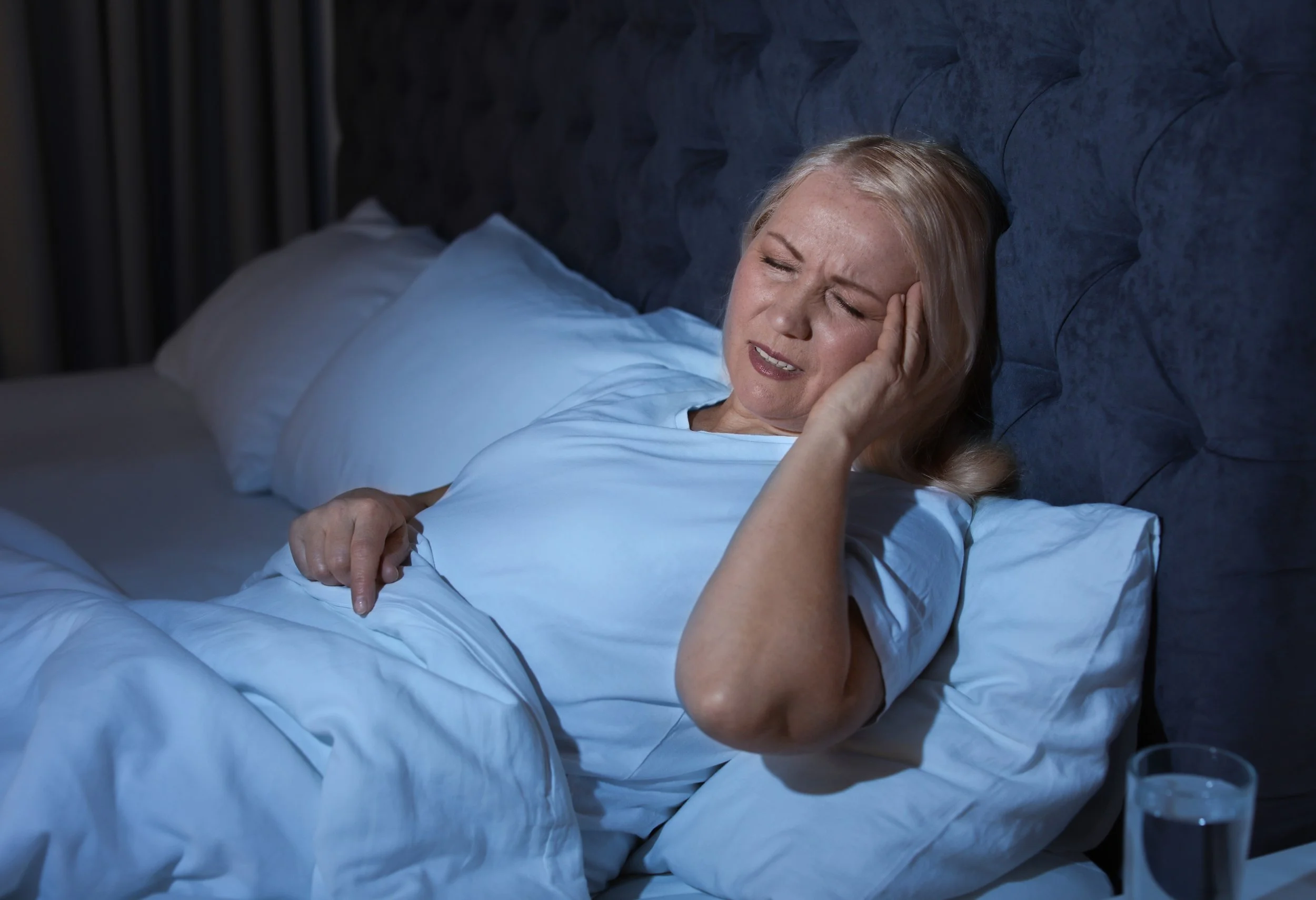
Sleep is one of the most important pillars of good health, yet it often becomes more difficult to achieve during midlife. Research shows that up to 60% of menopausal women experience sleep disturbances, making restless nights one of the most common health concerns between the ages of 40 and 60. While many women assume poor sleep is simply part of getting older, the reality is much more complex.
Hormonal changes during the transition to menopause significantly affect sleep quality, mood, energy, and overall well-being. Understanding the connection between hormones and sleep can help women recognize perimenopause symptoms early and seek effective solutions before sleep deprivation begins affecting daily life.
Why Sleep Problems Increase During Midlife
Women experience several hormonal transitions throughout life, but the years leading up to menopause often bring the most noticeable changes. During perimenopause, estrogen and progesterone levels fluctuate unpredictably. These hormones play a major role in regulating the body's internal clock, body temperature, and stress response.
As hormone levels change, many women begin experiencing perimenopause symptoms such as:
Difficulty falling asleep
Frequent nighttime awakenings
Night sweats
Hot flashes
Increased anxiety
Mood swings
Fatigue
Brain fog
While these symptoms may seem unrelated, they often work together to create a cycle of poor sleep and worsening hormone imbalance.
The Research Behind Sleep Disturbances
Scientific studies consistently show that sleep problems become more common during the menopausal transition. According to research published by organizations such as the North American Menopause Society and the National Institutes of Health, approximately 40% to 60% of women report significant sleep disturbances during perimenopause and menopause.
Several factors contribute to these findings:
Hormonal fluctuations interrupt normal sleep cycles.
Night sweats frequently wake women multiple times each night.
Anxiety and depression become more common during hormonal changes.
Aging naturally reduces deep restorative sleep.
Even women who previously slept well may suddenly find themselves lying awake for hours or waking up exhausted despite spending enough time in bed.
How Hormones Affect Sleep
Hormones influence nearly every aspect of sleep.
Estrogen
Estrogen supports healthy sleep by helping regulate body temperature, serotonin production, and REM sleep. When estrogen levels fluctuate, women often experience overheating, frequent awakenings, and lighter sleep.
Lower estrogen levels are also linked with increased joint pain and headaches, making comfortable sleep even more difficult.
Progesterone
Progesterone acts as a natural calming hormone. It promotes relaxation and supports deeper sleep. As progesterone declines during perimenopause, many women report increased anxiety, restlessness, and insomnia.
These hormonal shifts explain why perimenopause symptoms frequently include both emotional changes and disrupted sleep.
More Than Just Hot Flashes
Although hot flashes receive the most attention, they are not the only cause of poor sleep.
Many women experience:
Increased Anxiety
Changing hormone levels affect neurotransmitters that regulate mood. Racing thoughts and nighttime anxiety can make falling asleep nearly impossible.
Higher Stress Levels
Midlife often comes with career responsibilities, caring for aging parents, financial pressures, and family obligations. Chronic stress raises cortisol levels, making restorative sleep harder to achieve.
Changes in Melatonin
Melatonin production naturally declines with age. Combined with hormonal fluctuations, this can make it difficult for the body to recognize when it is time to sleep.
Weight Changes
Hormonal changes can contribute to weight gain, increasing the risk of snoring and sleep apnea, both of which reduce sleep quality.
The Health Consequences of Poor Sleep
Many women underestimate how significantly poor sleep affects overall health.
Long-term sleep deprivation has been associated with:
Higher blood pressure
Reduced immune function
Increased risk of diabetes
Memory problems
Depression and anxiety
Weight gain
Reduced work performance
Lower quality of life
Because sleep influences nearly every system in the body, improving sleep often improves many other aspects of health as well.
Lifestyle Strategies That Support Better Sleep
While hormones play a central role, healthy habits can also improve sleep quality.
Keep a Consistent Sleep Schedule
Going to bed and waking up at the same time each day helps regulate the body's internal clock.
Create a Cool Sleeping Environment
Since hot flashes are common, keeping the bedroom cool and wearing breathable clothing may reduce nighttime awakenings.
Limit Evening Stimulants
Avoiding caffeine, alcohol, and heavy meals several hours before bedtime can help improve sleep quality.
Stay Physically Active
Regular exercise supports hormone balance, reduces stress, and improves sleep. However, vigorous workouts should be completed earlier in the day whenever possible.
Practice Stress Management
Meditation, deep breathing, gentle yoga, and mindfulness exercises may reduce nighttime anxiety and promote relaxation.
When Lifestyle Changes Are Not Enough
For many women, healthy habits provide meaningful improvements. However, some continue experiencing severe insomnia because the underlying hormonal imbalance remains untreated.
This is where perimenopause hormone treatment may become an important option.
A healthcare provider can evaluate symptoms, hormone levels, medical history, and overall health to determine whether treatment is appropriate. Individualized care is essential because every woman's hormonal transition is unique.
Understanding Perimenopause Hormone Treatment
Modern perimenopause hormone treatment focuses on restoring hormonal balance while reducing bothersome symptoms.
Depending on individual needs, treatment may help improve:
Sleep quality
Hot flashes
Night sweats
Mood changes
Energy levels
Brain fog
Overall quality of life
Many women notice that once hormone balance improves, sleep naturally becomes deeper and more restorative.
Because treatment plans are personalized, healthcare professionals consider each woman's medical history, health goals, and risk factors before making recommendations.
Why Early Evaluation Matters
Many women spend years believing poor sleep is simply something they must tolerate. Unfortunately, untreated hormone changes can continue affecting physical and emotional health long after sleep problems begin.
Recognizing perimenopause symptoms early allows women to seek guidance before symptoms become more disruptive.
Persistent insomnia should never be ignored, particularly when accompanied by hot flashes, mood changes, irregular menstrual cycles, or unexplained fatigue.
How The Balanced Woman Can Help
At The Balanced Woman, women's health is approached with personalized, evidence-based care. Rather than simply treating individual symptoms, experienced healthcare professionals evaluate the bigger picture, including hormone balance, lifestyle factors, and overall wellness.
If sleep problems are connected to hormonal changes, perimenopause hormone treatment may be recommended as part of a comprehensive care plan designed specifically for each patient.
With convenient virtual consultations, ongoing support, and individualized treatment recommendations, The Balanced Woman helps women navigate the transition through perimenopause with greater confidence and improved quality of life.
Take the First Step Toward Better Sleep
Sleep is not a luxury. It is essential for physical health, emotional well-being, and long-term vitality. If you are between the ages of 40 and 60 and struggling with restless nights, you are far from alone. Research shows millions of women experience sleep disturbances during the menopausal transition, but effective solutions are available.
Understanding your perimenopause symptoms is the first step toward reclaiming restful sleep. Whether lifestyle changes, medical evaluation, or perimenopause hormone treatment is the right path for you, seeking professional guidance can make a meaningful difference.
You deserve to wake up feeling refreshed, energized, and ready to enjoy every stage of life. With the right support from The Balanced Woman, better sleep and improved hormonal health may be closer than you think.