Why Hormonal Changes Can Make Weight Loss Harder After 40

For many women, turning 40 brings noticeable changes that extend far beyond wrinkles or gray hair. One of the most frustrating changes is weight gain that seems to happen despite eating well and staying active. Clothes fit differently, belly fat becomes more stubborn, and losing even a few pounds feels much harder than it did in earlier years.
This is not simply a matter of getting older. Research shows that metabolism naturally slows with age, while hormonal changes can increase fat storage, making weight management more challenging. As estrogen and progesterone fluctuate during perimenopause, the body begins to respond differently to food, exercise, sleep, and stress.
If you have noticed these changes, understanding the connection between hormones and weight can help you make informed decisions about your health. For many women, recognizing perimenopause symptoms and exploring treatment options such as hormone therapy for women can be important steps toward achieving better overall wellness.
How Aging Affects Your Metabolism
One reason weight loss becomes more difficult after 40 is that metabolism naturally slows with age. Studies suggest that adults gradually lose lean muscle mass beginning in their 30s, and this process continues throughout midlife unless strength training and proper nutrition are prioritized.
Muscle tissue burns more calories than fat, even while the body is at rest. As muscle decreases, your body requires fewer calories each day. If eating habits remain unchanged, gradual weight gain can occur over time.
While aging contributes to this slower metabolism, hormonal fluctuations often make the challenge even greater.
The Role of Hormones During Perimenopause
Perimenopause is the transition leading up to menopause, and it often begins during a woman's 40s. During this phase, estrogen and progesterone levels fluctuate unpredictably before eventually declining.
These hormonal changes affect far more than reproductive health. They influence metabolism, appetite regulation, insulin sensitivity, sleep quality, and where the body stores fat.
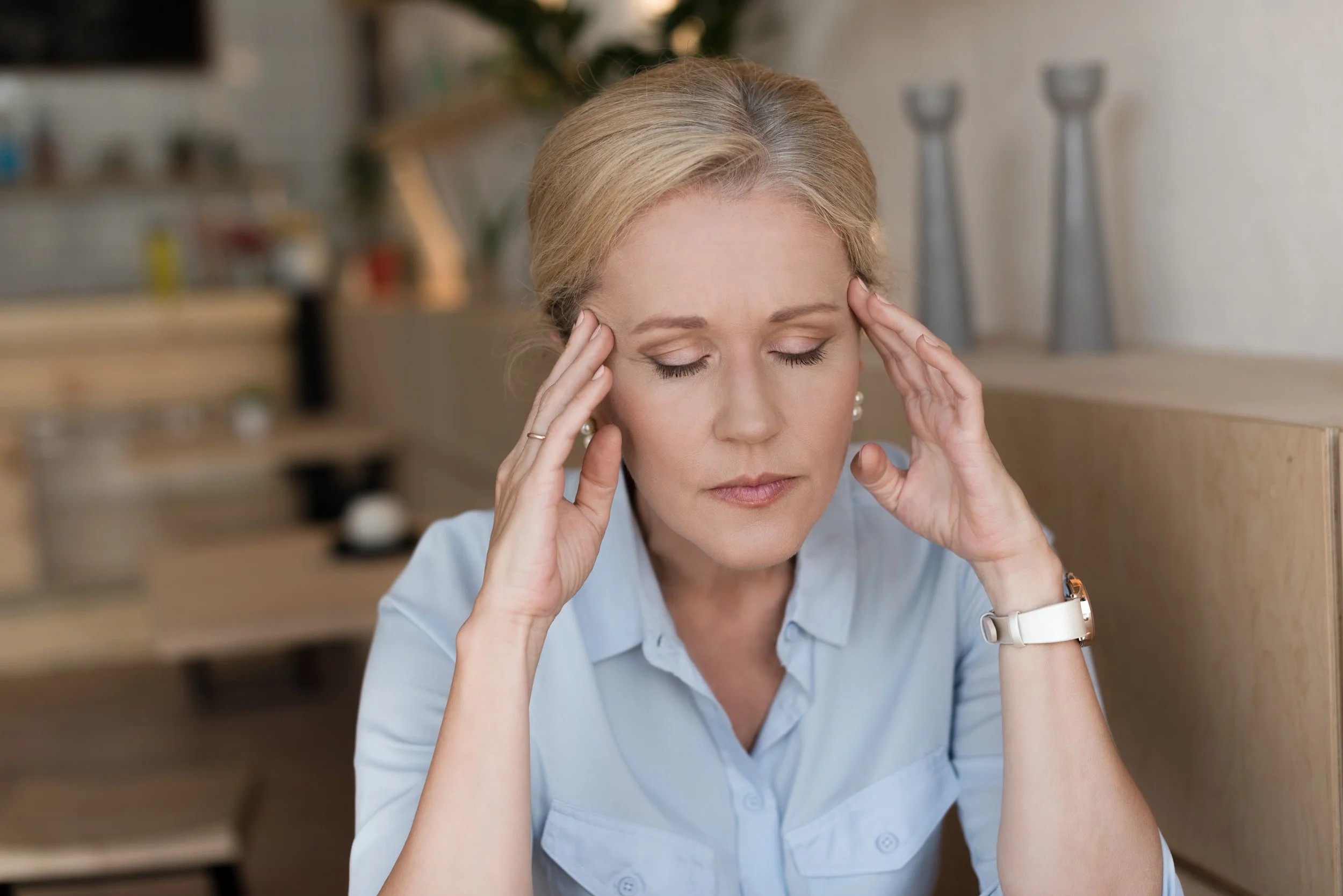
Many women experience common perimenopause symptoms, including:
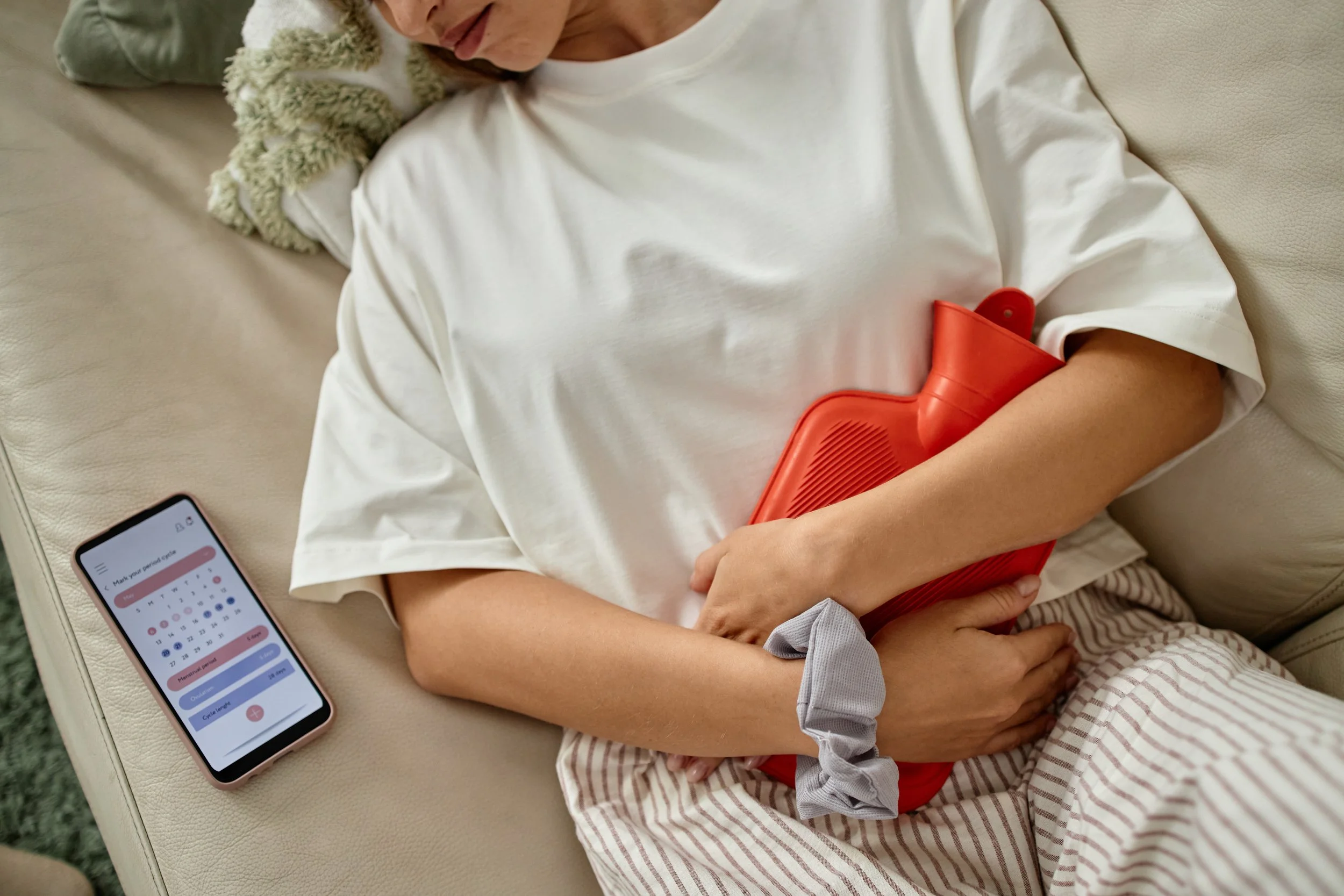
Irregular menstrual cycles
Hot flashes
Night sweats
Mood changes
Fatigue
Brain fog
Difficulty sleeping
Increased abdominal weight gain
Although every woman experiences this transition differently, these hormonal shifts can make maintaining a healthy weight much more difficult.
Why Hormonal Changes Increase Fat Storage
One of the most noticeable changes after 40 is where the body stores fat.
Before menopause, women tend to store fat around the hips and thighs. As estrogen levels decline, fat distribution often shifts toward the abdomen. Research has linked lower estrogen levels to an increase in visceral fat, which surrounds internal organs and carries a higher risk for cardiovascular disease, insulin resistance, and type 2 diabetes.
Hormones also influence hunger and fullness signals. Fluctuating estrogen levels may increase appetite while reducing feelings of satisfaction after meals, making it easier to consume excess calories without realizing it.
Combined with a slower metabolism, these hormonal changes create conditions that make weight loss feel much more challenging.
Sleep and Stress Play a Bigger Role Than You Think
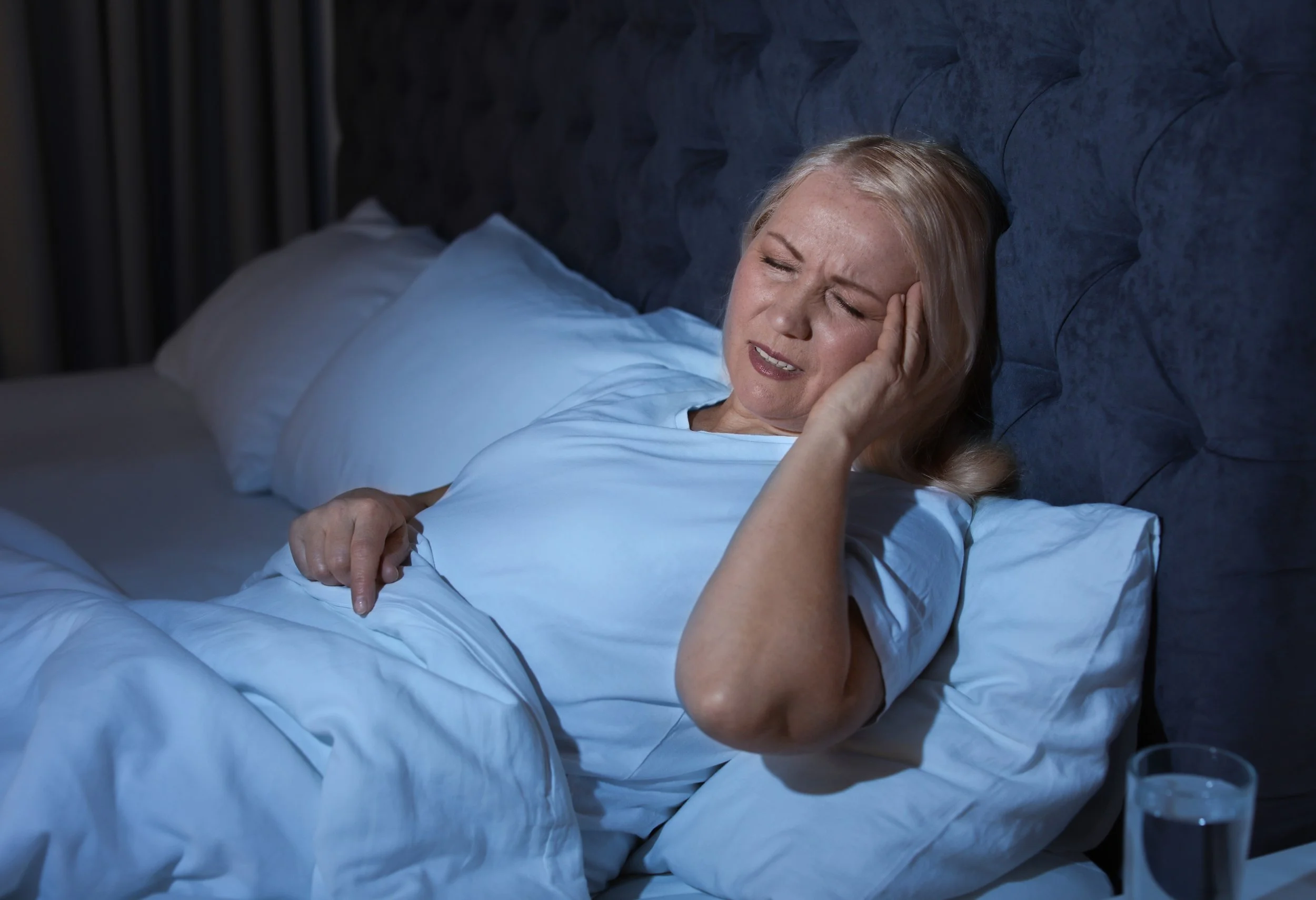
Many perimenopause symptoms interfere with quality sleep.
Night sweats, insomnia, and frequent waking prevent the body from getting the restorative rest it needs. Poor sleep affects hormones like leptin and ghrelin, which regulate hunger and fullness. As a result, women often crave sugary or high calorie foods while feeling less satisfied after eating.
Stress can make matters worse.
As estrogen declines, some women become more sensitive to stress. Elevated cortisol levels may encourage fat storage around the midsection while increasing cravings for comfort foods.
Addressing sleep and stress management is often an essential part of any successful weight management plan after 40.
Insulin Resistance Can Make Weight Loss More Difficult
Hormonal fluctuations can also affect how the body processes blood sugar.
As women age, insulin sensitivity may decrease. When cells become less responsive to insulin, the body produces more of it to maintain normal blood sugar levels. Elevated insulin promotes fat storage while making it harder to burn existing fat for energy.
This helps explain why many women notice stubborn weight gain even when they have not significantly changed their diet.
Improving nutrition, increasing physical activity, and addressing hormonal health may help improve insulin sensitivity over time.
Lifestyle Strategies That Support Healthy Weight Loss
While hormones certainly influence weight, they do not make healthy weight loss impossible. Small, consistent lifestyle changes remain highly effective.
Prioritize Strength Training
Resistance exercises help preserve muscle mass, which supports a healthier metabolism. Lifting weights or performing bodyweight exercises two to three times each week can improve body composition and increase calorie expenditure.
Eat More Protein
Protein helps maintain lean muscle while increasing satiety. Including protein with every meal may reduce hunger and support healthy metabolism.
Focus on Whole Foods
A diet rich in vegetables, fruits, lean proteins, healthy fats, legumes, and whole grains provides nutrients that support hormone balance and blood sugar regulation.
Stay Physically Active
Walking, cycling, swimming, and other forms of regular exercise improve cardiovascular health while supporting calorie burning and insulin sensitivity.
Prioritize Rest and Stress Management
Creating healthy sleep habits and practicing stress reduction techniques such as meditation, yoga, or deep breathing may improve hormone regulation and reduce emotional eating.
Can Hormone Therapy Help?
For some women, healthy lifestyle changes alone may not fully relieve bothersome symptoms.
This is where hormone therapy for women may be appropriate. Hormone therapy replaces hormones that naturally decline during menopause, helping reduce symptoms such as hot flashes, night sweats, sleep disturbances, and vaginal dryness.
According to research from the North American Menopause Society, hormone therapy for women remains one of the most effective treatments for relieving moderate to severe menopausal symptoms when prescribed appropriately.
Although hormone therapy for women is not intended as a weight loss medication, improving sleep, reducing hot flashes, increasing energy, and supporting overall well-being may help women maintain healthier habits that contribute to long term weight management.
Treatment should always be individualized after discussing medical history, health risks, and personal goals with a qualified healthcare provider.
How The Balanced Woman Can Help
Navigating hormonal changes after 40 does not have to be overwhelming. At The Balanced Woman, healthcare providers understand that successful weight management involves more than counting calories. Hormonal health, lifestyle habits, metabolism, sleep quality, and overall wellness all play important roles.
Whether you are experiencing persistent perimenopause symptoms, struggling with stubborn weight gain, or wondering if hormone therapy for women may be right for you, personalized care can help identify the underlying factors affecting your health.
By combining evidence based treatments with individualized support, The Balanced Woman helps women create sustainable strategies that promote long term wellness rather than quick fixes.
Final Thoughts
Weight loss after 40 can feel more difficult, but there is a scientific reason behind these changes. As metabolism naturally slows with age and hormone levels fluctuate during perimenopause, the body becomes more likely to store fat, lose muscle, and experience changes in appetite, sleep, and energy.
Understanding these changes empowers women to work with their bodies instead of against them. Recognizing perimenopause symptoms, making healthy lifestyle adjustments, and discussing options such as hormone therapy for women with a qualified healthcare provider can lead to better health outcomes and greater confidence.
With expert guidance from The Balanced Woman, you can develop a personalized approach that supports healthy weight management and helps you feel your best through every stage of life.