Why Your Period Pain Changes Over Time (It’s Not Random)
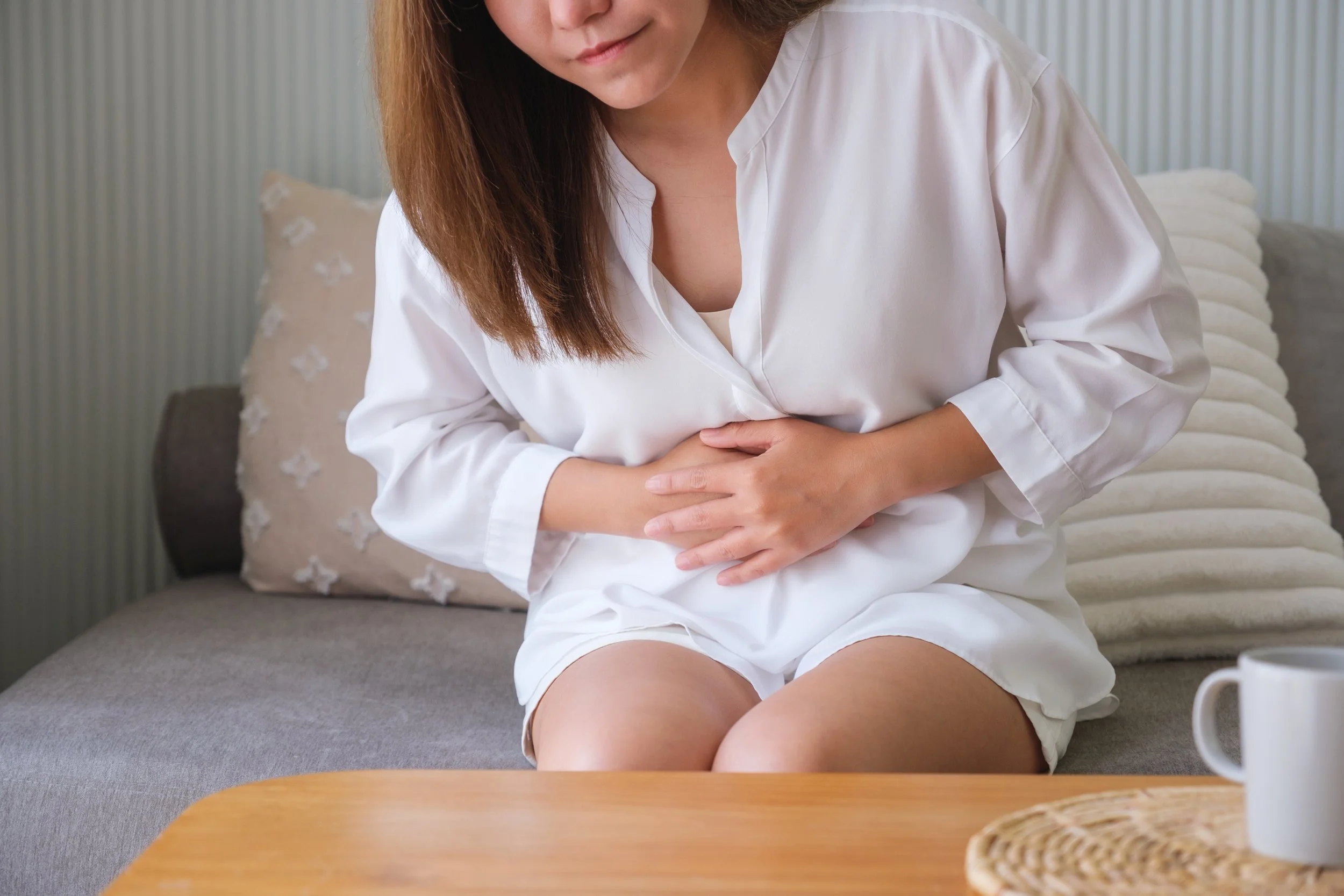
Many women assume that period pain should stay the same throughout life. If cramps become more intense, milder, or suddenly appear after years of relatively comfortable cycles, it is easy to think something unusual is happening. In reality, period pain often changes over time because your body changes over time.
Hormonal fluctuations, aging, lifestyle factors, and inflammatory processes all influence how your body responds during menstruation. One of the biggest drivers behind these changes is the production of prostaglandins, hormone-like compounds responsible for triggering uterine contractions. As hormone levels shift throughout different stages of life, prostaglandin activity and inflammation can also change, affecting the severity of menstrual pain.
Understanding why your period pain evolves can help you recognize when symptoms are normal and when it may be time to seek professional care, including early menopause treatment, a personalized menopause support program, or the best online menopause treatment available through trusted healthcare providers.
What Causes Period Pain?
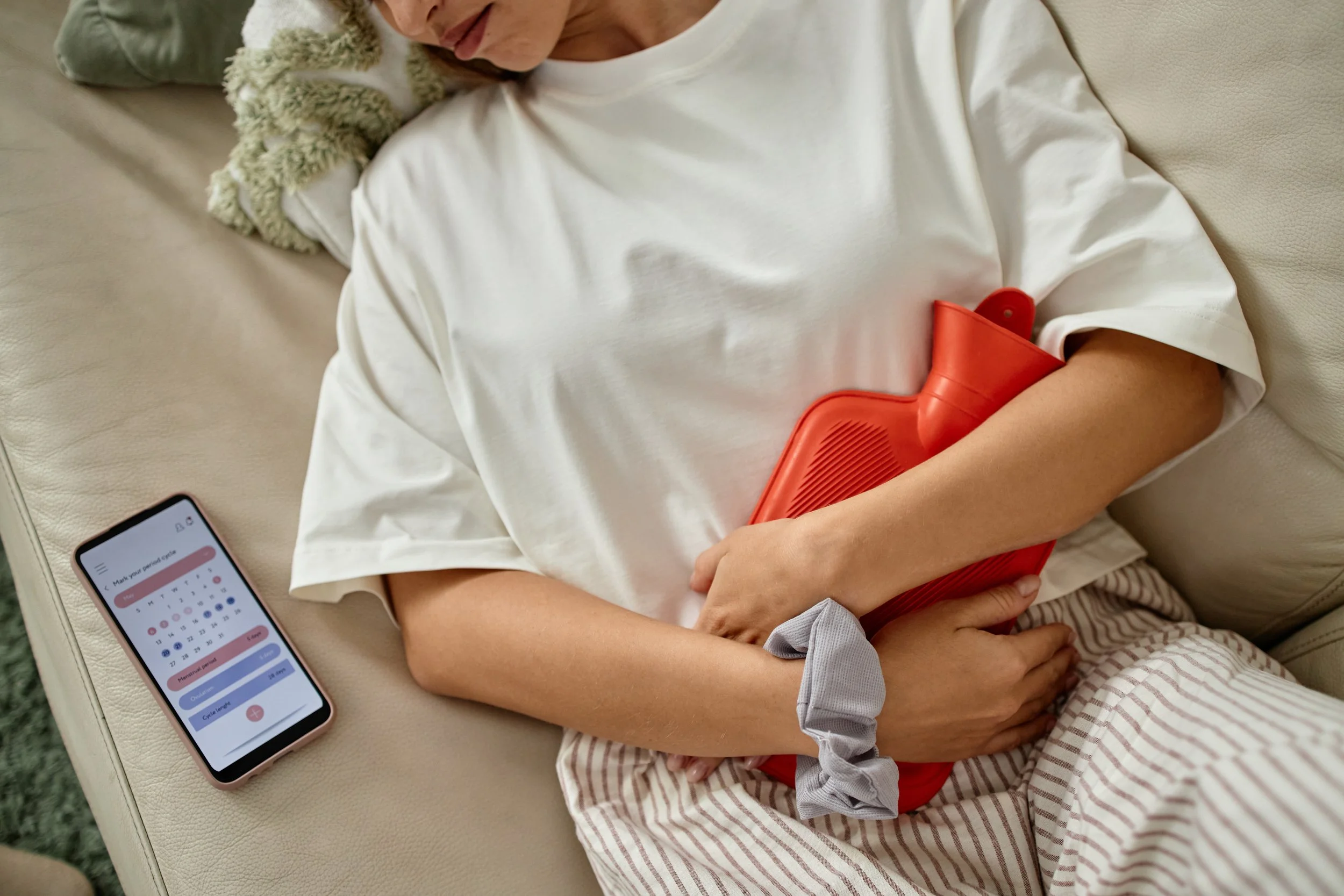
Period pain, medically known as dysmenorrhea, occurs when the uterus contracts to shed its lining. These contractions are triggered by prostaglandins, naturally occurring compounds produced in the uterine lining before menstruation begins.
Higher prostaglandin levels generally cause:
Stronger uterine contractions
Reduced blood flow to uterine tissue
Increased inflammation
Greater pain sensitivity
Research published by organizations such as the American College of Obstetricians and Gynecologists has consistently shown that elevated prostaglandin production is strongly associated with more severe menstrual cramps.
However, prostaglandin production does not remain constant throughout your life.
Hormones Influence Prostaglandin Levels
Your menstrual cycle depends on a delicate balance of estrogen and progesterone. These hormones also affect inflammatory responses and prostaglandin production.
Throughout different life stages, hormone levels naturally fluctuate, including:
Your twenties
After pregnancy
During your thirties and forties
Perimenopause
Menopause transition
As estrogen and progesterone shift, your body's inflammatory response changes as well. This is one reason your period pain may become unexpectedly worse or noticeably better.
Women approaching menopause often notice significant cycle changes. These hormonal shifts sometimes signal the need for early menopause treatment, especially when menstrual symptoms begin interfering with daily life.
Why Period Pain May Become Worse With Age
Many women expect cramps to improve as they get older, but that is not always the case.
Several factors may increase menstrual pain over time.
Changing Estrogen Levels
During perimenopause, estrogen levels become increasingly unpredictable. Some cycles produce higher estrogen levels than before, while others experience dramatic drops.
These hormonal swings can increase prostaglandin production during certain months, leading to stronger uterine contractions and more painful periods.
Women experiencing these changes may benefit from an evaluation for early menopause treatment to determine whether hormone changes are contributing to worsening symptoms.
Increased Inflammation
Inflammation naturally changes as we age.
Diet, stress, sleep quality, weight changes, and chronic health conditions all influence inflammatory markers throughout the body. Since prostaglandins are closely tied to inflammation, increased inflammatory activity may intensify menstrual cramps.
Simple lifestyle improvements often reduce inflammation, including:
Eating anti-inflammatory foods
Exercising regularly
Improving sleep
Managing stress
Maintaining a healthy weight
These strategies are often incorporated into a comprehensive menopause support program that focuses on long-term hormonal wellness.
Underlying Medical Conditions
Pain that suddenly becomes severe should never be ignored.
Conditions such as:
Endometriosis
Adenomyosis
Fibroids
Pelvic inflammatory disease
can develop or worsen over time, causing significantly more painful menstrual cycles.
Healthcare providers can help determine whether changing symptoms reflect normal hormonal transitions or an underlying medical condition requiring treatment.
Why Some Women's Period Pain Improves
Not every woman experiences worsening cramps.
Many women report that period pain becomes much milder after childbirth or as they approach menopause.
Several factors may contribute.
Lower Prostaglandin Production
As ovulation becomes less consistent during perimenopause, hormonal changes may reduce prostaglandin production during certain cycles.
Lower prostaglandin levels often mean:
Less inflammation
Milder uterine contractions
Reduced menstrual pain
Cervical Changes After Pregnancy
For women who have given birth vaginally, the cervix may allow menstrual flow to pass more easily, reducing pressure inside the uterus during menstruation.
Although this does not happen for everyone, many women notice less painful periods after childbirth.
The Role of Perimenopause
Perimenopause often begins in the forties but may start much earlier for some women.
During this transition, hormone production becomes increasingly irregular.
Common symptoms include:
Heavier periods
Lighter periods
Irregular cycles
Increased cramping
Breast tenderness
Mood changes
Sleep disturbances
Hot flashes
Many women mistakenly believe these symptoms are simply part of aging when they may actually indicate the beginning of hormonal transition.
Seeking early menopause treatment during this stage can help address symptoms before they significantly affect daily life.
Inflammation Is More Than Just Period Pain
Prostaglandins affect far more than the uterus.
Inflammatory changes can also contribute to:
Headaches
Fatigue
Joint discomfort
Digestive symptoms
Muscle aches
Increased sensitivity to pain
Because inflammation influences multiple body systems, addressing overall health often improves menstrual symptoms as well.
This is one reason many healthcare providers recommend a comprehensive menopause support program rather than focusing solely on pain medications.
When Should You Seek Medical Advice?
Although some variation in period pain is completely normal, certain symptoms deserve medical evaluation.
Speak with a healthcare provider if you experience:
Severe pain that prevents normal activities
Pain that suddenly becomes much worse
Heavy bleeding with large clots
Bleeding between periods
Pain during intercourse
Symptoms lasting beyond your menstrual cycle
These changes may indicate hormonal imbalance, endometriosis, fibroids, or other conditions requiring personalized treatment.
Fortunately, virtual healthcare has made specialized hormone care much more accessible than ever before.
The best online menopause treatment allows women to receive expert evaluations, personalized care plans, and ongoing monitoring without the inconvenience of frequent office visits.
How Personalized Hormone Care Can Help
No two women experience hormonal changes the same way.
Age, genetics, medical history, lifestyle, and reproductive health all influence how menopause transitions unfold.
Personalized care may include:
Comprehensive hormone evaluations
Lifestyle recommendations
Nutrition guidance
Symptom tracking
Hormone therapy when appropriate
Regular follow-up care
Many women find that joining a structured menopause support program provides education, accountability, and individualized guidance throughout every stage of hormonal transition.
The best online menopause treatment combines medical expertise with convenient virtual care, allowing women to receive ongoing support from home.
The Balanced Woman Helps You Understand Your Changing Body
At The Balanced Woman, care extends beyond simply treating symptoms. The goal is to identify the underlying hormonal changes driving discomfort and create a personalized plan that supports long-term health.
Whether you are experiencing worsening menstrual cramps, irregular cycles, hot flashes, or other hormone-related symptoms, experienced providers can determine whether early menopause treatment is appropriate for your needs.
With access to the best online menopause treatment, women receive individualized evaluations, expert recommendations, and continued guidance through a comprehensive menopause support program designed to support hormonal health at every stage.
Final Thoughts
Changing period pain is rarely random. Shifting hormone levels, changing prostaglandin production, inflammation, and the natural transition toward menopause all play important roles in how your body experiences each menstrual cycle.
Understanding these changes allows you to recognize when symptoms reflect normal hormonal transitions and when additional medical evaluation may be beneficial.
If your menstrual pain has changed significantly or you suspect you may be entering perimenopause, seeking early menopause treatment can provide valuable answers. Through the best online menopause treatment and a personalized menopause support program, you can better understand your body, manage symptoms effectively, and maintain your quality of life with confidence.