Why Stress Hits Women’s Hormones Harder Than Men’s
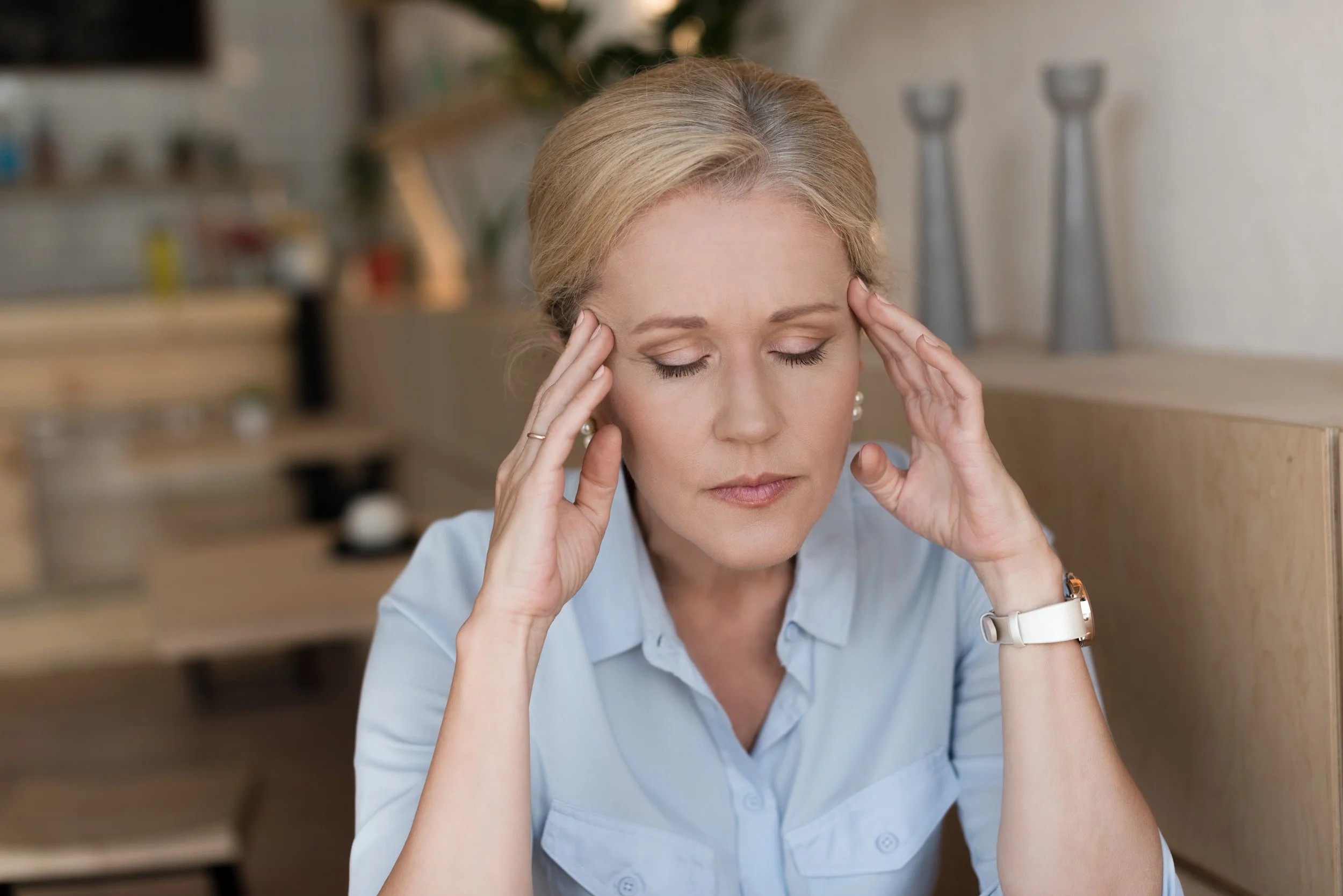
Stress is something everyone experiences, but it does not affect everyone in the same way. While both men and women respond to stressful situations through the body's natural stress response, research shows that women often experience stronger hormonal effects. This difference is largely due to how the hypothalamic-pituitary-adrenal (HPA) axis interacts with female reproductive hormones.
Over time, chronic stress can contribute to hormonal imbalances, menstrual irregularities, fertility challenges, and even symptoms that resemble menopause. For women already approaching midlife, unmanaged stress may intensify menopausal symptoms and increase the need for early menopause treatment. Understanding why stress impacts women's hormones more significantly can help you take proactive steps toward better health and find the best online menopause treatment that meets your needs.
Understanding the HPA Axis
The HPA axis is the body's central stress response system. It connects the brain and adrenal glands through a series of hormonal signals.
When you encounter stress, your brain releases corticotropin-releasing hormone (CRH), which stimulates the pituitary gland to produce adrenocorticotropic hormone (ACTH). ACTH then signals the adrenal glands to release cortisol, often called the stress hormone.
Cortisol plays an important role in helping the body respond to challenges by increasing blood sugar, regulating inflammation, and preparing you for action. Once the stressful event passes, cortisol levels should return to normal.
However, chronic stress keeps the HPA axis activated, leading to persistently elevated cortisol levels that can disrupt many other hormone systems.
Why Women's HPA Axis Is More Sensitive
Research suggests that women's stress response is influenced by estrogen and progesterone, two hormones that fluctuate throughout the menstrual cycle, pregnancy, postpartum recovery, and menopause.
These hormonal shifts make the HPA axis more responsive to stress. Women may experience:
Greater cortisol fluctuations
Longer recovery after stressful events
Increased emotional sensitivity
More significant hormonal disruption from ongoing stress
Studies also indicate that women are more likely to develop stress-related conditions such as anxiety and depression, both of which are closely linked to hormonal balance.
This heightened sensitivity means that prolonged stress may have a greater impact on reproductive health compared to men.
How Stress Disrupts Female Hormones
When cortisol remains elevated for extended periods, the body begins prioritizing survival over reproduction. As a result, several important hormonal processes can become disrupted.
Reduced Estrogen Production
Chronic stress may interfere with estrogen production, leading to symptoms such as:
Hot flashes
Mood swings
Vaginal dryness
Sleep disturbances
Reduced bone protection
Women experiencing these symptoms at a younger age may benefit from discussing early menopause treatment with a qualified healthcare provider.
Lower Progesterone Levels
Progesterone helps regulate menstrual cycles and promotes calmness. During chronic stress, the body may produce less progesterone because many of the same building blocks are used to make cortisol.
Lower progesterone levels may contribute to:
Irregular periods
Increased anxiety
Difficulty sleeping
Premenstrual symptoms
Effects on Ovulation
Stress can also suppress ovulation by affecting communication between the brain and ovaries. This may result in irregular cycles or temporary infertility.
These changes become even more noticeable during perimenopause, when hormone production is already naturally declining.
Why Men Respond Differently
Men also activate the HPA axis during stressful situations, but testosterone appears to buffer some of cortisol's effects.
Unlike women, men do not experience monthly hormonal fluctuations. Their reproductive hormone levels remain relatively stable throughout much of adulthood.
Because of this stability, chronic stress typically causes fewer reproductive hormone disruptions in men compared to women. While stress certainly affects men's health, women often experience more noticeable changes in mood, sleep, menstrual function, and menopausal symptoms.
The Connection Between Stress and Early Menopause
Although stress alone does not directly cause menopause, chronic stress may contribute to earlier hormonal changes in susceptible women.
Researchers have found that ongoing psychological stress may influence ovarian function, accelerate hormonal imbalance, and worsen symptoms associated with ovarian aging.
Women experiencing:
Persistent hot flashes
Night sweats
Missed periods
Fatigue
Brain fog
Mood changes
should consult a healthcare professional to determine whether they may benefit from early menopause treatment.
Early evaluation helps rule out other medical conditions while creating an individualized care plan that addresses both hormone health and stress management.
Managing Stress to Protect Hormonal Health
The good news is that reducing chronic stress can help improve hormone balance and overall well-being.
Evidence-based stress management strategies include:
Prioritize Quality Sleep
Aim for seven to nine hours of consistent sleep each night. Poor sleep increases cortisol production and may worsen menopausal symptoms.
Exercise Regularly
Moderate exercise supports healthy cortisol regulation while improving mood and reducing inflammation.
Eat a Balanced Diet
Whole foods rich in fiber, lean protein, healthy fats, and antioxidants help support hormone production and reduce inflammation.
Practice Relaxation Techniques
Mindfulness meditation, yoga, deep breathing, and spending time outdoors have all been shown to reduce stress hormone levels.
Build a Strong Support Network
Social support plays a significant role in stress resilience. Talking with trusted friends, family members, or healthcare professionals can make a meaningful difference.
Many women also benefit from joining a structured menopause support program that offers education, personalized guidance, and ongoing encouragement throughout their hormone health journey.
Finding the Right Menopause Care
Hormonal changes affect every woman differently. Some need lifestyle guidance, while others may benefit from hormone therapy, nutritional support, or symptom management.
Working with specialists who understand both hormonal health and stress physiology allows for a more personalized approach.
Today, many women choose the best online menopause treatment because it offers convenient access to experienced providers without requiring frequent office visits. Virtual care makes it easier to receive individualized treatment plans, medication management, and ongoing follow-up from home.
Whether you are experiencing early symptoms or navigating established menopause, selecting the best online menopause treatment can help you receive timely care that fits your lifestyle.
How a Menopause Support Program Helps
Managing menopause involves more than treating symptoms. Long-term success comes from addressing the whole person.
A comprehensive menopause support program often includes:
Personalized hormone assessments
Lifestyle coaching
Nutrition recommendations
Stress reduction strategies
Medication management when appropriate
Ongoing monitoring and education
Women participating in a structured menopause support program frequently report improved symptom control, greater confidence, and better quality of life.
The right program also empowers women to make informed decisions about their health while adapting to changing hormone levels.
Why Women Trust The Balanced Woman
At The Balanced Woman, care goes beyond simply treating symptoms. The focus is on understanding the unique hormonal needs of every patient while addressing lifestyle factors such as stress, sleep, nutrition, and emotional wellness.
Whether you're searching for early menopause treatment, exploring the best online menopause treatment, or looking for a comprehensive menopause support program, personalized medical guidance can help you regain balance and improve your overall well-being.
Through individualized care plans, ongoing support, and evidence-based treatment options, women can confidently navigate hormonal changes while improving both their physical and emotional health.
Final Thoughts
Stress affects everyone, but women often experience more significant hormonal consequences because of the close relationship between the HPA axis and reproductive hormones. Chronic stress can contribute to hormonal imbalances, worsen menopausal symptoms, and make everyday life more challenging.
The encouraging news is that effective treatment and support are available. Early intervention, healthy lifestyle habits, and personalized medical care can make a meaningful difference.
If you're noticing hormonal changes or menopausal symptoms, seeking professional guidance early can help you identify the right early menopause treatment, choose the best online menopause treatment for your needs, and benefit from a trusted menopause support program that supports your health at every stage of life.