Why So Many Women Feel Exhausted All the Time
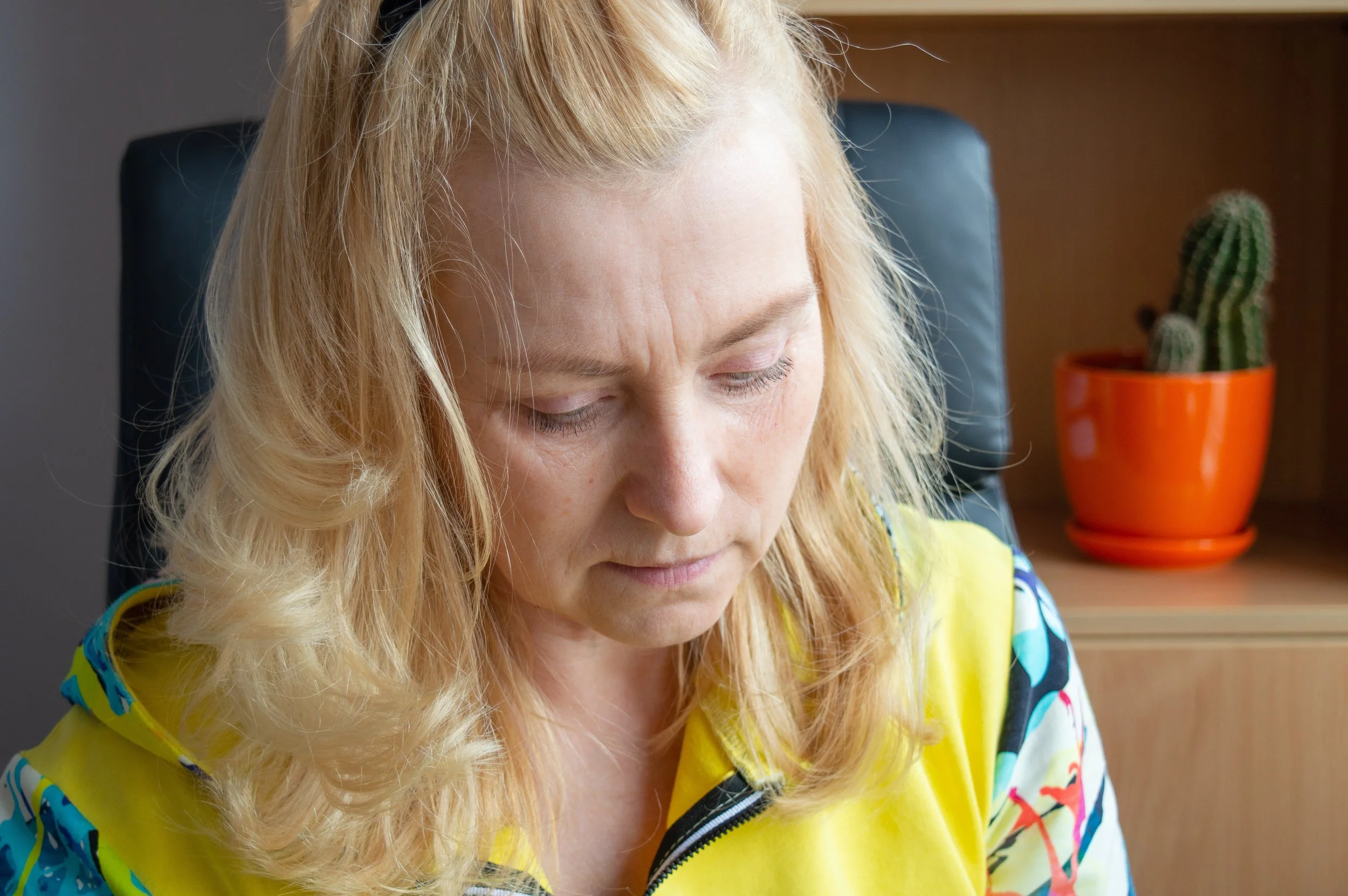
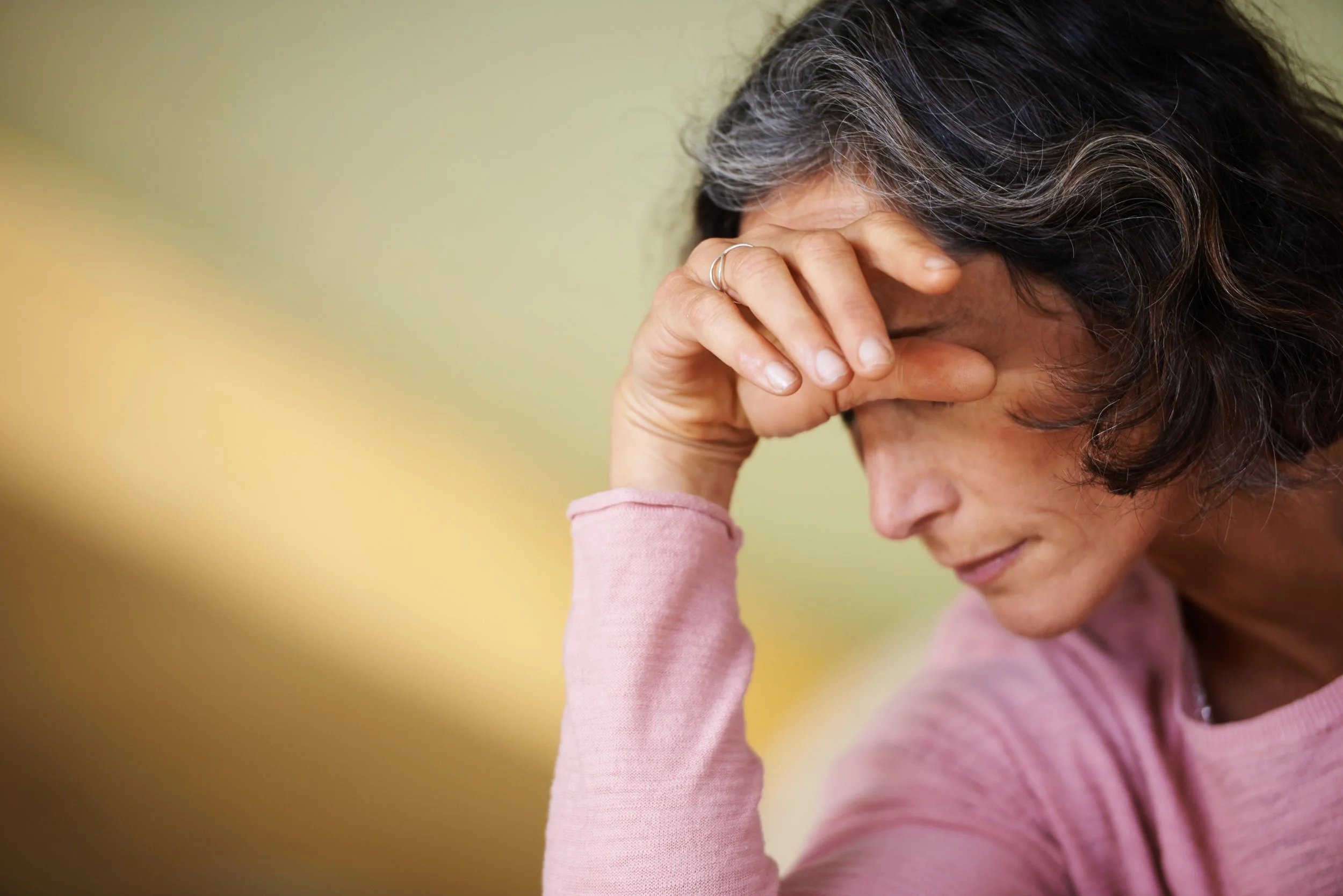
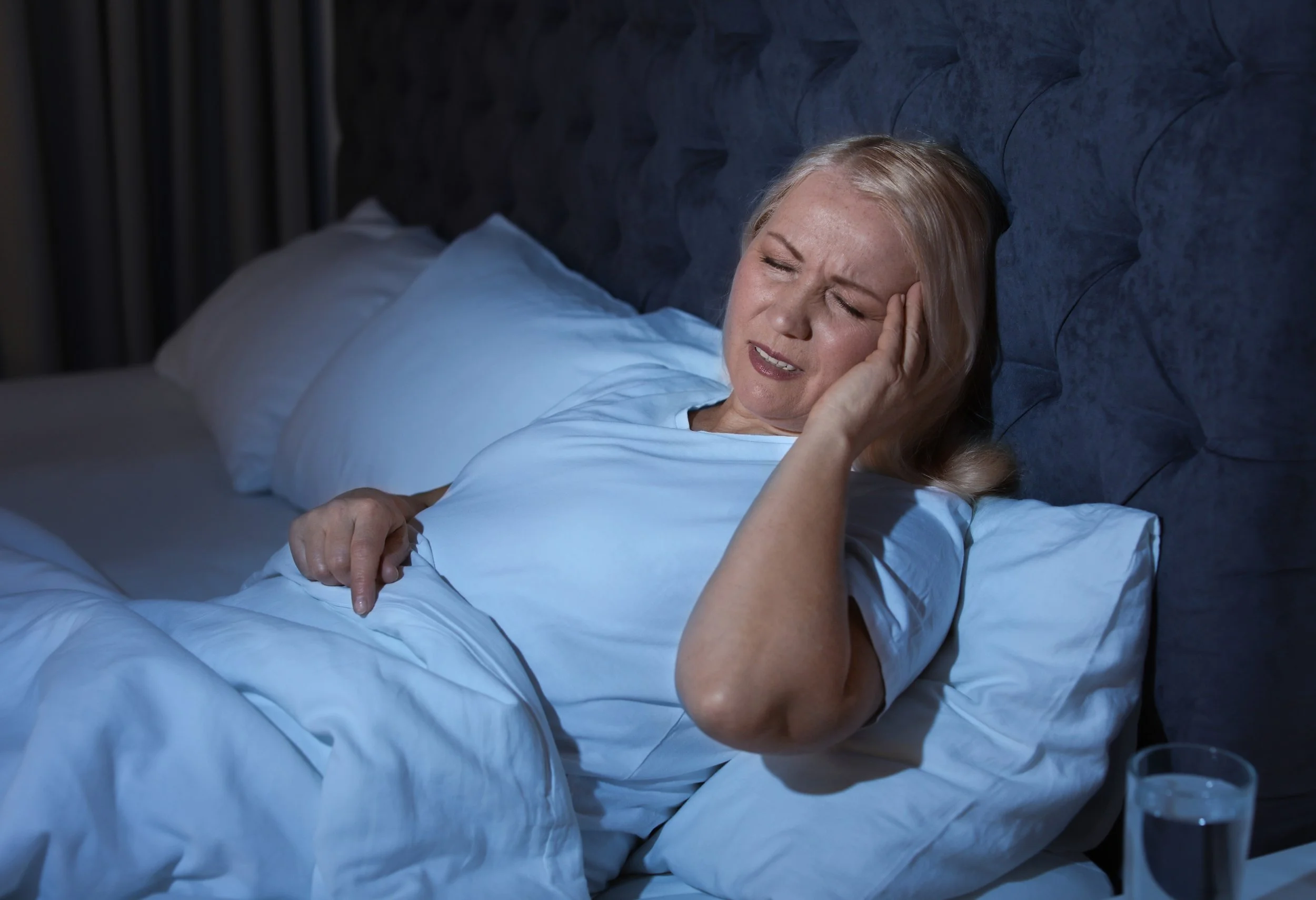
Feeling tired has become so common that many women assume it is simply part of adulthood. Between careers, family responsibilities, and endless to do lists, exhaustion often feels unavoidable. However, constant fatigue is not always caused by a busy lifestyle. In many cases, hormonal changes play a significant role in draining energy, disrupting sleep, and making daily tasks feel much harder than they should.
Research shows that nearly 40% of U.S. adults report not getting enough sleep. For women, the situation can be even more complex because changing hormone levels affect everything from mood and metabolism to sleep quality and energy production. As women move through different stages of life, particularly during midlife, these hormonal fluctuations can become more noticeable.
Understanding the connection between hormones and fatigue is the first step toward feeling like yourself again. Whether you are experiencing perimenopause symptoms or exploring hormone therapy for women, recognizing the root cause can help you find solutions that truly work.
Fatigue Is More Than Feeling Tired
Everyone feels tired after a long day. Fatigue, however, is different. It is a persistent lack of physical or mental energy that does not always improve with rest.
Women experiencing ongoing fatigue may notice symptoms such as:
Waking up feeling unrefreshed
Difficulty concentrating
Brain fog
Reduced motivation
Muscle weakness
Mood changes
Increased irritability
While stress and poor sleep are common contributors, hormones often influence these symptoms more than many people realize.
The Hormonal Connection to Low Energy
Hormones act as chemical messengers that regulate many essential functions throughout the body. Estrogen and progesterone, in particular, help influence sleep, mood, metabolism, and energy production.
As hormone levels begin to fluctuate, women may experience:
Interrupted sleep
Increased anxiety
Night sweats
Hot flashes
Mood swings
Difficulty recovering from physical activity
These hormonal shifts can create a cycle where poor sleep leads to daytime exhaustion, while fatigue makes it harder to manage stress, which further disrupts sleep.
Understanding Perimenopause and Fatigue
One of the most overlooked causes of chronic exhaustion is perimenopause symptoms.
Perimenopause is the transitional period leading up to menopause, often beginning in a woman's forties, although it can start earlier. During this stage, estrogen levels fluctuate unpredictably, affecting multiple body systems.
Common perimenopause symptoms include:
Hot flashes
Night sweats
Irregular menstrual cycles
Mood changes
Difficulty sleeping
Brain fog
Persistent fatigue
Many women mistakenly believe they are simply getting older or working too hard. In reality, these hormonal changes can significantly affect energy levels even when lifestyle habits remain the same.
Research published by organizations such as the North American Menopause Society has shown that sleep disturbances become increasingly common during the menopausal transition, contributing to daytime fatigue and reduced quality of life.
Why Sleep Becomes More Difficult
Sleep quality naturally changes with age, but hormones often accelerate those changes.
Estrogen helps regulate body temperature and supports the production of serotonin, which plays a role in healthy sleep patterns. Progesterone has natural calming effects that promote relaxation.
When these hormone levels fluctuate, women may experience:
Night Sweats
Sudden increases in body temperature can interrupt sleep multiple times each night.
Frequent Waking
Hormonal changes may make it difficult to stay asleep, even if falling asleep is not a problem.
Anxiety at Night
Hormonal fluctuations can increase feelings of anxiety, making it harder to quiet the mind before bedtime.
Less Deep Sleep
Even when sleeping for seven or eight hours, women may spend less time in restorative sleep stages, leading to persistent exhaustion.
These sleep disruptions often become some of the earliest perimenopause symptoms, even before menstrual changes become obvious.
Lifestyle Factors That Can Make Fatigue Worse
Hormonal changes rarely occur in isolation. Everyday habits can either improve or worsen symptoms.
Several common factors contribute to low energy:
Chronic Stress
High cortisol levels from ongoing stress can interfere with healthy hormone balance and make restful sleep more difficult.
Poor Nutrition
Skipping meals, eating highly processed foods, or consuming too much sugar can create blood sugar swings that increase fatigue.
Lack of Physical Activity
Regular movement actually improves energy production, despite the misconception that exercise will make tired people feel more exhausted.
Dehydration
Even mild dehydration can reduce mental focus and physical performance.
Underlying Medical Conditions
Thyroid disorders, iron deficiency, vitamin deficiencies, diabetes, and sleep apnea can all contribute to chronic fatigue. Persistent symptoms should always be discussed with a qualified healthcare provider.
Can Hormone Therapy Help?
For many women, lifestyle improvements alone may not fully address hormone related symptoms.
This is where hormone therapy for women may become part of a personalized treatment plan.
Hormone therapy for women typically involves replacing estrogen, progesterone, or both to help restore hormonal balance. The goal is not simply symptom relief but improving overall quality of life.
Potential benefits may include:
Better sleep
Reduced hot flashes
Improved mood
Increased energy
Better cognitive function
Enhanced daily well-being
Current medical guidelines emphasize that hormone therapy for women is not appropriate for everyone. Decisions should always be made after reviewing medical history, risk factors, and treatment goals with a healthcare professional.
For women who are good candidates, the benefits can be significant, especially when treatment begins around the menopausal transition under medical supervision.
Small Changes That Can Make a Big Difference
While medical treatment may help some women, healthy habits remain the foundation of long term wellness.
Consider these practical strategies:
Maintain a consistent sleep schedule.
Prioritize protein and fiber at meals.
Stay physically active most days of the week.
Limit caffeine late in the day.
Practice stress management through mindfulness or relaxation techniques.
Stay hydrated throughout the day.
Schedule regular medical checkups to identify potential health concerns early.
These habits may not eliminate perimenopause symptoms, but they can reduce their impact and improve overall energy.
When It Is Time to Seek Professional Help
Occasional fatigue is normal. Persistent exhaustion that interferes with daily life deserves medical attention.
You should consider speaking with a healthcare provider if you experience:
Fatigue lasting several weeks or longer
Frequent night sweats
Significant sleep disruption
Brain fog affecting work or daily responsibilities
Mood changes that feel overwhelming
Symptoms that continue despite healthy lifestyle changes
A thorough evaluation can help determine whether perimenopause symptoms, thyroid conditions, nutritional deficiencies, or other health issues are contributing to your fatigue.
Take Control of Your Energy
Many women spend years believing exhaustion is simply part of life. It is not.
Understanding how hormones affect sleep, mood, and energy can help explain why fatigue becomes more common during midlife. Whether lifestyle adjustments are enough or hormone therapy for women becomes part of your treatment plan, there are effective ways to feel better.
At The Balanced Woman, we believe women deserve answers that go beyond simply pushing through exhaustion. By recognizing the signs of hormonal change early and seeking personalized care, women can regain their energy, improve sleep, and enjoy a healthier, more balanced life.
If you have been feeling constantly drained, do not ignore the signals your body is sending. Identifying the underlying cause is the first step toward restoring your health, confidence, and vitality.