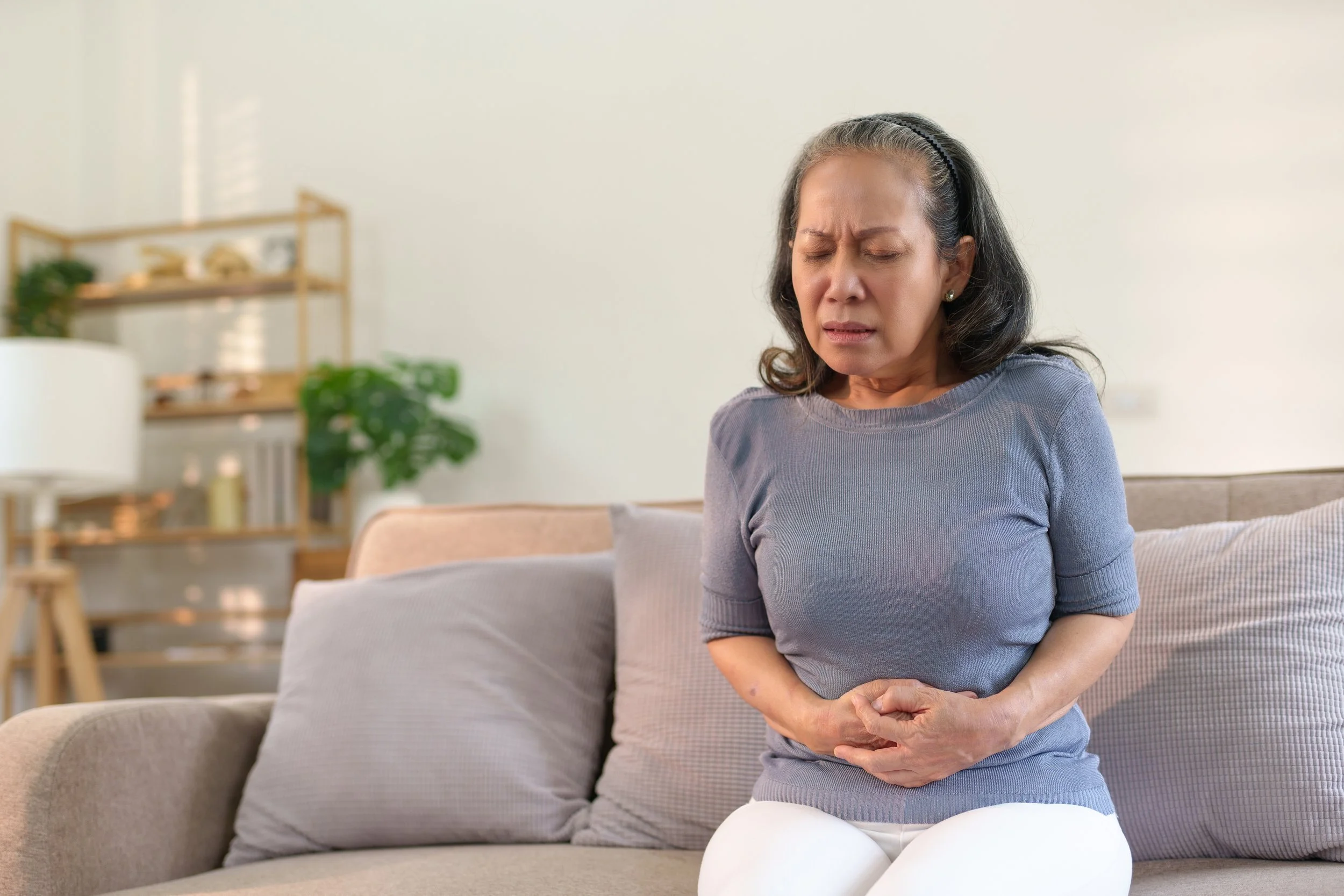
Mood Swings or Hormonal Imbalance? Here's What the Data Shows
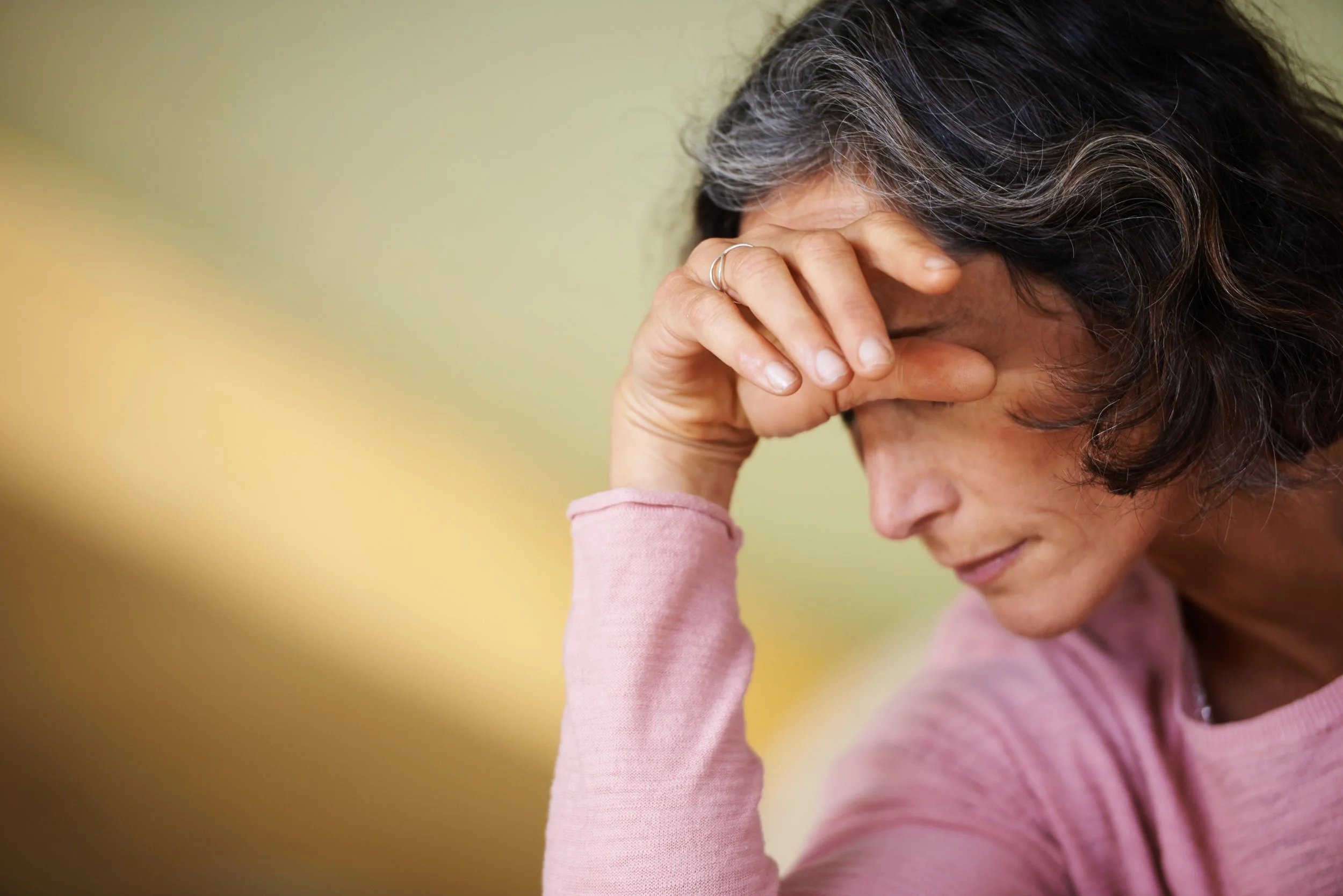
Have you ever found yourself feeling unusually emotional, anxious, or irritable without knowing why? One day you feel like yourself, and the next you are overwhelmed by sadness, frustration, or nervousness. While stress and life circumstances certainly play a role, there may be another factor influencing your emotional well-being.
For many women, these changes begin during perimenopause, the transitional stage before menopause. During this time, fluctuating hormone levels can significantly affect mood, sleep, energy, and mental health. Unfortunately, these emotional changes are often dismissed as simply "getting older" or blamed entirely on stress.
The good news is that growing research confirms there is a biological explanation behind many of these experiences. Understanding the connection between hormones and emotional health can help women recognize perimenopause symptoms early and seek the right care. With the right support, including perimenopause hormone treatment, many women find lasting relief and regain their quality of life.
What Is Perimenopause?
Perimenopause is the natural transition leading up to menopause. It often begins in a woman's 40s, although some women notice changes in their late 30s. This stage can last anywhere from several months to over ten years.
Unlike menopause, where estrogen levels remain consistently low, perimenopause is marked by unpredictable hormonal fluctuations. Estrogen and progesterone may rise and fall dramatically from one month to the next, making symptoms inconsistent and sometimes confusing.
Many women associate perimenopause symptoms with hot flashes or irregular periods. However, emotional changes are among the earliest and most overlooked signs.
Common symptoms include:
Mood swings
Anxiety
Irritability
Depression
Difficulty concentrating
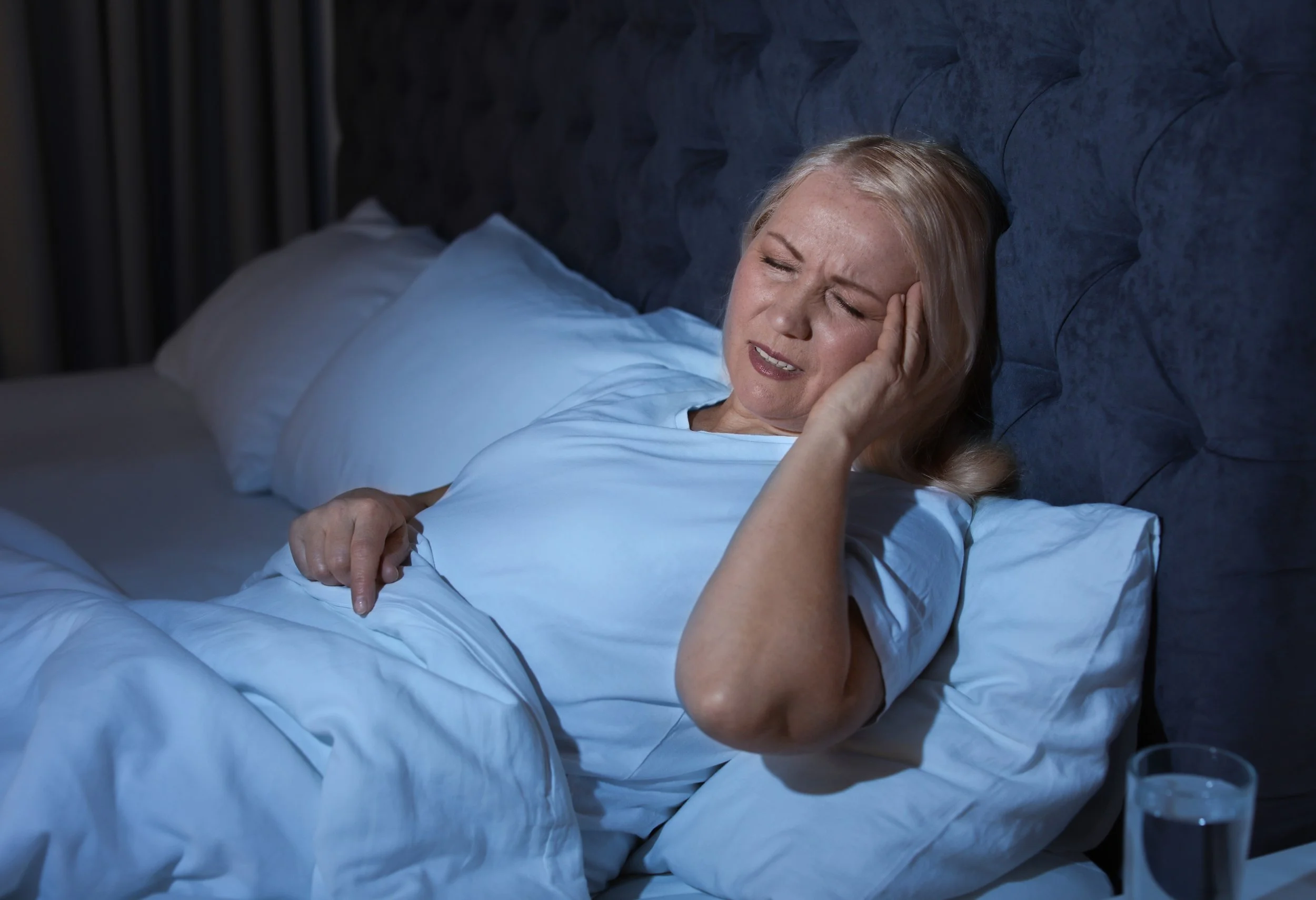
Sleep disturbances
Fatigue
Brain fog
Changes in menstrual cycles
Recognizing these perimenopause symptoms early allows women to better understand what their bodies are experiencing instead of assuming the changes are purely psychological.
What the Research Shows About Hormones and Mood
Scientific studies have consistently shown that hormonal fluctuations during perimenopause are associated with increased emotional distress.
Research published in reputable medical journals has found that women transitioning through menopause have a significantly higher risk of developing depressive symptoms compared to women before the transition. Anxiety also becomes more common during this stage.
One reason is estrogen's influence on several neurotransmitters involved in emotional regulation.
Estrogen helps regulate:
Serotonin, which affects mood and happiness
Dopamine, which supports motivation and reward
Norepinephrine, which influences focus and stress response
When estrogen levels fluctuate unpredictably, these neurotransmitter systems become less stable. As a result, women may experience sudden mood shifts even when there is no obvious external trigger.
Researchers also note that poor sleep caused by night sweats or insomnia can worsen anxiety and depression, creating a cycle that becomes increasingly difficult to break.
These findings reinforce that emotional changes during perimenopause are not simply "in your head." They are closely tied to measurable biological processes.
Why Some Women Experience More Severe Mood Changes
Not every woman experiences emotional symptoms in the same way. Several factors can influence how strongly hormones affect mood.
These include:
Previous history of anxiety or depression
Chronic stress
Poor sleep quality
Thyroid disorders
Nutritional deficiencies
Lifestyle habits
Genetics
Women balancing careers, caregiving responsibilities, and family life often experience additional stress during midlife, which may amplify hormonal effects.
This is why comprehensive evaluation is so important. Emotional symptoms should not automatically be treated as isolated mental health concerns without considering hormonal changes.
When Mood Swings Signal Something More
Occasional mood changes happen to everyone. However, persistent emotional symptoms deserve medical attention, especially if they begin alongside changes in menstrual cycles.
Signs that hormones may be contributing include:
Anxiety that suddenly appears during your 40s
Increased irritability before periods
Mood swings with irregular menstrual cycles
Depression without a previous history
Difficulty sleeping despite good sleep habits
Emotional symptoms combined with hot flashes or night sweats
These experiences often overlap with other perimenopause symptoms, making it important to evaluate the whole picture rather than focusing on a single complaint.
A healthcare provider can assess hormone patterns, medical history, and other possible causes before recommending an individualized treatment plan.
How Perimenopause Hormone Treatment May Help
For women whose symptoms are significantly affecting daily life, perimenopause hormone treatment may be an appropriate option.
Hormone therapy aims to stabilize hormone levels, reducing the dramatic fluctuations responsible for many symptoms.
Potential benefits include:
Improved emotional stability
Better sleep quality
Reduced anxiety
Fewer hot flashes
Increased energy
Better concentration
Improved overall quality of life
Modern perimenopause hormone treatment is highly individualized. Treatment recommendations depend on age, medical history, symptoms, family history, and overall health goals.
Not every woman needs hormone therapy, and it is not appropriate for everyone. However, for carefully selected patients, it can provide meaningful symptom relief while improving overall well-being.
Discussing perimenopause hormone treatment with an experienced healthcare provider helps ensure that benefits and potential risks are carefully evaluated based on your unique circumstances.
Lifestyle Habits That Support Emotional Wellness
Hormone treatment is only one piece of the puzzle. Daily lifestyle habits also have a powerful influence on mood during perimenopause.
Helpful strategies include:
Prioritize Quality Sleep
Sleep disruption increases emotional sensitivity and anxiety. Creating a consistent bedtime routine and addressing night sweats can improve emotional resilience.
Stay Physically Active
Regular exercise supports serotonin production, improves stress management, and promotes better sleep.
Eat a Balanced Diet
Whole foods rich in protein, healthy fats, fiber, vitamins, and minerals help stabilize energy levels and support hormone health.
Manage Stress
Mindfulness, yoga, breathing exercises, and counseling can reduce stress hormones that may worsen emotional symptoms.
Build a Support System
Talking openly with healthcare providers, family members, or trusted friends helps women feel understood rather than isolated during this transition.
These healthy habits often complement perimenopause hormone treatment, creating a more comprehensive approach to symptom management.
You Don't Have to Guess What's Happening
One of the biggest challenges women face is uncertainty.
Many spend years wondering whether they are simply stressed, burned out, or emotionally overwhelmed, never realizing that fluctuating hormones may be playing a major role.
Understanding the science behind perimenopause symptoms empowers women to seek answers earlier instead of accepting unnecessary suffering.
Healthcare has evolved significantly, with more research highlighting the importance of individualized care rather than a one size fits all approach.
Find Personalized Support at The Balanced Woman
Every woman's hormonal journey is unique. What works for one person may not be the best solution for another.
At The Balanced Woman, care begins with listening. Providers take the time to understand your symptoms, evaluate your hormonal health, and create a personalized plan that fits your goals and lifestyle.
Whether you're experiencing anxiety, mood swings, fatigue, or other perimenopause symptoms, you deserve compassionate care grounded in science.
If appropriate, your provider can discuss whether perimenopause hormone treatment may help restore balance and improve your quality of life.
Mood changes are not simply a normal part of aging that must be endured. They may be your body's way of signaling that hormonal changes deserve attention. With the right evaluation and individualized care, many women discover that feeling like themselves again is not only possible, but entirely within reach.