How Birth, Stress, and Age Stack Together to Shift Hormones
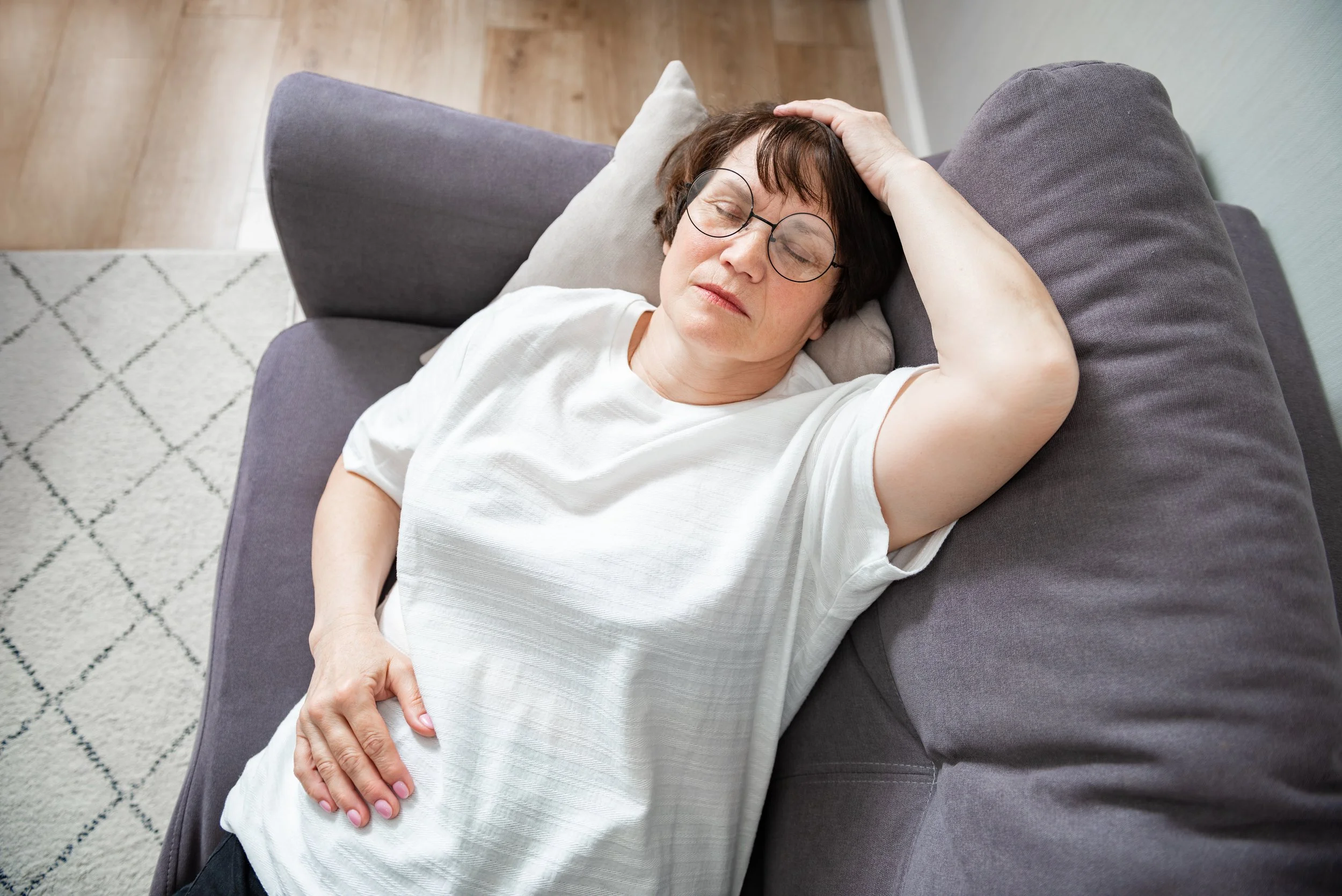
Hormonal changes rarely happen because of one event alone. Instead, they build over time through a combination of life experiences, chronic stress, pregnancies, and the natural aging process. This concept is often referred to as cumulative hormonal load, where years of physical and emotional demands gradually influence how hormones are produced, regulated, and balanced.
Many women assume that symptoms such as fatigue, mood changes, weight gain, irregular periods, and poor sleep appear suddenly. In reality, these symptoms often reflect decades of accumulated hormonal strain. Understanding how birth, stress, and age work together can help women seek the right care earlier and improve their long-term health.
If symptoms begin affecting your quality of life, exploring early menopause treatment and joining a trusted menopause support program may help restore balance. Today, access to the best online menopause treatment also makes expert care more convenient than ever.
Understanding Cumulative Hormonal Load
Hormones work together in a highly coordinated system. Estrogen, progesterone, cortisol, insulin, thyroid hormones, and reproductive hormones constantly communicate to maintain balance.
Cumulative hormonal load describes the gradual burden placed on these systems throughout a woman's life. Rather than a single event causing hormonal disruption, multiple factors combine over months and years, including:
Pregnancy and childbirth
Chronic psychological stress
Poor sleep
Nutritional deficiencies
Weight changes
Aging
Chronic inflammation
Research shows that prolonged stress and repeated activation of the body's stress response can influence reproductive hormones through the hypothalamic-pituitary-adrenal (HPA) axis. As women age, this added burden may contribute to more noticeable hormonal symptoms during perimenopause and menopause.
How Pregnancy and Childbirth Affect Hormones
Pregnancy is one of the most dramatic hormonal events in a woman's life.
During pregnancy, estrogen and progesterone rise dramatically to support fetal development. After delivery, these hormone levels rapidly decline, creating significant changes that affect mood, metabolism, energy, and recovery.
For many women, hormones gradually stabilize after childbirth. However, repeated pregnancies, difficult recoveries, sleep deprivation, and postpartum stress may contribute to long-term hormonal strain.
While childbirth itself does not directly cause menopause, the cumulative demands of pregnancy and parenting can make hormonal fluctuations more noticeable later in life.
Women experiencing persistent symptoms should not assume they simply need to "push through." Seeking early menopause treatment when symptoms begin can help identify whether hormonal changes are occurring earlier than expected.
The Hidden Impact of Chronic Stress
Stress affects nearly every hormone in the body.
When the brain detects stress, it signals the adrenal glands to release cortisol. Short-term cortisol is beneficial because it helps the body respond to challenges. However, chronic stress keeps cortisol elevated for long periods.
Long-term cortisol elevation may:
Interfere with estrogen production
Reduce progesterone levels
Affect thyroid function
Increase abdominal fat storage
Disrupt sleep quality
Increase insulin resistance
Research has shown that prolonged stress may also influence menstrual regularity and worsen many symptoms associated with perimenopause.
Women balancing careers, family responsibilities, caregiving, financial concerns, and everyday demands often experience continuous stress without realizing its effect on hormonal health.
Combining stress reduction with an effective menopause support program allows women to address both lifestyle factors and hormone-related symptoms more effectively.
Aging Naturally Changes Hormone Production
Even without major life stressors, aging gradually changes hormone levels.
Beginning in the late 30s and early 40s, ovarian function slowly declines. Ovulation becomes less predictable, progesterone decreases, and estrogen levels fluctuate more widely.
Common symptoms include:
Hot flashes
Night sweats
Mood swings
Brain fog
Joint discomfort
Weight gain
Reduced energy
Vaginal dryness
Sleep disturbances
The pace of these changes varies from woman to woman because every hormonal history is different.
Women who have experienced years of chronic stress, multiple pregnancies, or other health challenges may notice symptoms earlier or with greater intensity.
Fortunately, early menopause treatment can help manage symptoms while supporting long-term health before menopause is fully established.
Why Hormonal Symptoms Feel Worse Over Time
Many women wonder why symptoms suddenly seem overwhelming.
The answer often lies in cumulative hormonal load.
Imagine hormonal balance as a bank account. Every stressful event, pregnancy, illness, poor night's sleep, or nutritional deficiency makes a withdrawal. Aging naturally reduces the body's ability to replenish that balance.
Eventually, the body reaches a point where hormonal reserves are no longer able to compensate.
This explains why women often report that they felt "fine" for years before symptoms rapidly intensified over a relatively short period.
Addressing symptoms early through the best online menopause treatment can help prevent prolonged discomfort and improve daily functioning.
Lifestyle Habits That Support Hormonal Balance
Although aging cannot be stopped, healthy habits can reduce hormonal strain and improve overall well-being.
Helpful strategies include:
Prioritize Sleep
Quality sleep supports cortisol regulation, estrogen balance, and tissue repair. Aim for seven to nine hours of sleep whenever possible.
Manage Stress Daily
Activities such as walking, yoga, meditation, deep breathing, and mindfulness may help reduce chronic cortisol levels.
Eat Balanced Meals
Protein, healthy fats, fiber, fruits, and vegetables provide nutrients needed for hormone production and metabolic health.
Stay Physically Active
Regular exercise improves insulin sensitivity, supports bone health, enhances mood, and promotes healthy body composition.
Maintain Preventive Healthcare
Routine medical evaluations allow providers to identify hormonal changes early and recommend appropriate treatment when needed.
Many women also benefit from structured guidance offered through a personalized menopause support program, which combines medical care with lifestyle recommendations.
The Value of Personalized Menopause Care
Every woman's hormone journey is unique.
Some women enter menopause earlier than expected, while others experience prolonged perimenopause lasting several years.
Because symptoms vary widely, personalized care is essential.
Healthcare providers evaluate:
Medical history
Current symptoms
Family history
Lifestyle habits
Laboratory testing when appropriate
Overall health goals
This individualized approach helps determine whether lifestyle changes, hormone therapy, or other interventions may be appropriate.
For women seeking convenient access to experienced clinicians, the best online menopause treatment offers virtual consultations, personalized care plans, ongoing follow-up, and education without requiring frequent office visits.
Why Telehealth Makes Menopause Care More Accessible
Accessing specialized menopause care has become much easier through telehealth.
Virtual care allows women to:
Schedule appointments from home
Receive individualized treatment plans
Discuss symptoms openly
Follow up regularly
Stay consistent with care
Many women delay treatment because they are busy caring for others or have limited access to specialists.
Telehealth removes many of these barriers while providing access to the best online menopause treatment from experienced providers.
Organizations like The Balanced Woman provide compassionate virtual care designed to help women better understand hormonal changes, explore treatment options, and receive ongoing support throughout every stage of menopause.
Whether symptoms begin gradually or appear unexpectedly, working with an experienced provider and participating in a trusted menopause support program can help women feel more informed, supported, and confident about their health.
Final Thoughts
Birth, chronic stress, and aging do not work independently. Instead, they accumulate over time, gradually increasing the body's hormonal load and influencing when symptoms appear and how severe they become.
Recognizing these changes early allows women to take proactive steps before symptoms significantly affect their quality of life. Through healthy lifestyle habits, personalized medical care, and evidence-based guidance, women can navigate hormonal transitions with greater confidence.
If you are experiencing persistent symptoms, seeking early menopause treatment, exploring the best online menopause treatment, and enrolling in a comprehensive menopause support program through providers like The Balanced Woman may help you achieve better hormonal health and long-term wellness.