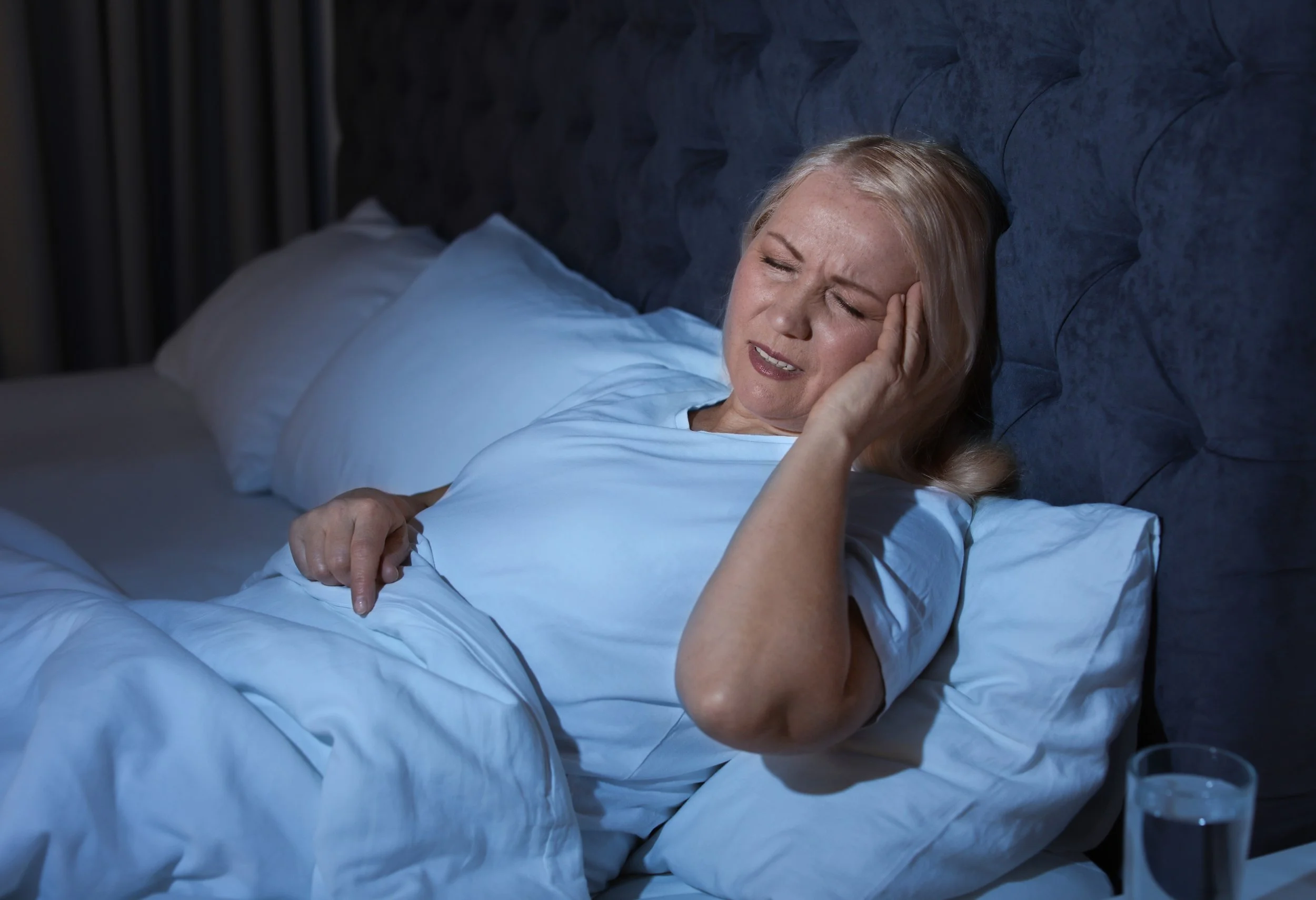
Top Signs You Might Need Hormone Replacement Therapy During Perimenopause

Perimenopause can feel confusing, unpredictable, and sometimes overwhelming. One month your cycle is normal. The next month it is late, heavier, or lighter. You wake up drenched in sweat. Your mood shifts without warning. You feel like yourself, but not quite.
If this sounds familiar, you are not alone. Millions of women enter perimenopause in their 40s, and sometimes even their late 30s. While this stage is natural, that does not mean you have to suffer through it. For many women, perimenopause hormone treatment can offer real relief and restore quality of life.
Let us explore the top signs you might need support, how to recognize serious perimenopause symptoms, and when hormone replacement therapy for women becomes a smart and empowering option.
What Is Perimenopause?
Perimenopause is the transitional phase before menopause, marked by fluctuating estrogen and progesterone levels. According to the North American Menopause Society, hormone variability during this time can last several years before menopause officially begins. Harvard Health explains the hormonal instability and symptom patterns clearly in their guide on perimenopause.
Unlike menopause, which is defined as 12 consecutive months without a period, perimenopause is unpredictable. Hormones rise and fall unevenly. This instability often triggers physical, emotional, and cognitive changes.
If symptoms start interfering with your daily life, it may be time to consider perimenopause hormone treatment under medical guidance.
1. Your Periods Have Become Unpredictable and Disruptive
Irregular periods are often the first noticeable sign. You may experience shorter cycles, heavier bleeding, spotting between cycles, or skipped months.
Occasional irregularity is common. However, if bleeding becomes excessively heavy or frequent, it could signal significant hormonal imbalance. Estrogen dominance or progesterone decline are often involved.
Clinical research published in PubMed has examined how low dose hormone therapy can improve hot flushes and cycle irregularity in perimenopausal women.
When cycle disruption affects work, sleep, or confidence, hormone replacement therapy for women can help regulate hormonal swings and stabilize patterns.
2. Hot Flashes and Night Sweats Are Affecting Your Sleep
Hot flashes are one of the most recognized perimenopause symptoms. Studies estimate that up to 75 percent of women experience vasomotor symptoms during the menopausal transition.
If you wake multiple times at night drenched in sweat or feel sudden intense heat during meetings or social situations, it is more than an inconvenience. Chronic sleep disruption impacts metabolism, mood, memory, and immune health.
A Cochrane review evaluating long term hormone therapy outcomes discusses the effectiveness of hormone therapy in reducing vasomotor symptoms.
Persistent vasomotor symptoms are a strong indicator that perimenopause hormone treatment may be beneficial. Estrogen therapy, when medically appropriate, has been shown to significantly reduce hot flashes and improve sleep quality.
3. Mood Swings, Anxiety, or Depression Feel New or Intensified
Hormones influence neurotransmitters such as serotonin and dopamine. When estrogen fluctuates, emotional stability can suffer.
Common perimenopause symptoms include increased irritability, sudden sadness, anxiety without clear triggers, reduced stress tolerance, and loss of motivation.
A review published in the World Journal of Psychiatry explores the relationship between hormone replacement and mood and sleep quality improvements.
If you feel unlike yourself and these shifts persist for months, hormonal evaluation is worth considering. In appropriate candidates, hormone replacement therapy for women may not only ease physical discomfort but also support emotional balance.
4. Brain Fog Is Impacting Your Focus and Productivity
Do you walk into a room and forget why you are there? Struggle to find words mid sentence? Feel less sharp than you used to?
Cognitive changes are common but often under discussion. Estrogen plays a role in memory and neural protection. When levels decline, concentration and mental clarity may be affected.
Guidelines published in medical reviews on ScienceDirect emphasize individualized risk assessment and cognitive considerations in hormone therapy decisions.
While lifestyle factors like sleep and stress matter, persistent cognitive fog combined with other symptoms may signal the need for perimenopause hormone treatment.
5. Vaginal Dryness and Painful Intimacy
Lower estrogen levels can thin vaginal tissues and reduce natural lubrication. This can lead to vaginal dryness, burning or irritation, pain during intimacy, and recurrent urinary discomfort.
Harvard Health also outlines genitourinary symptoms as common during the menopausal transition and highlights treatment options including hormone therapy.
Local or systemic hormone replacement therapy for women has been clinically shown to improve vaginal tissue health and reduce discomfort. You do not have to accept pain as a normal part of aging.
6. Unexplained Weight Gain and Slower Metabolism
Many women notice increased abdominal fat despite maintaining similar eating habits. Hormonal shifts influence insulin sensitivity, fat storage, and muscle mass.
While lifestyle changes are foundational, stubborn weight gain combined with fatigue, sleep issues, and mood shifts can indicate broader hormonal imbalance.
A comprehensive evaluation for perimenopause hormone treatment may help identify whether estrogen or progesterone support could improve metabolic resilience and overall well being.
When Should You Seek Help?
Not every woman needs hormonal intervention. However, you should consider speaking with a qualified provider if symptoms last longer than several months, your daily functioning is affected, sleep disruption is chronic, emotional changes feel unmanageable, or intimacy becomes painful.
A personalized evaluation matters. Blood work, symptom tracking, and full medical history review are essential before beginning perimenopause hormone treatment.
Clinics like The Balanced Woman focus on comprehensive, evidence based approaches to hormonal health. Rather than simply masking symptoms, they evaluate root causes, lifestyle factors, and long term wellness goals. This kind of integrative care ensures that hormone therapy decisions are personalized and medically appropriate.
Final Thoughts
Perimenopause is a natural life stage, but suffering through it is not a requirement. If you recognize multiple persistent perimenopause symptoms affecting your sleep, mood, cognition, or relationships, it may be time to explore your options.
Modern perimenopause hormone treatment is backed by decades of research and continues to evolve toward safer, personalized care models. When guided by experienced professionals, hormone replacement therapy for women can restore balance, energy, and confidence during this transitional phase.
The goal is not to turn back the clock. The goal is to help you feel strong, clear minded, and fully yourself again.