The 3-Phase Hormonal Shift Most Women Don’t Know They’re In
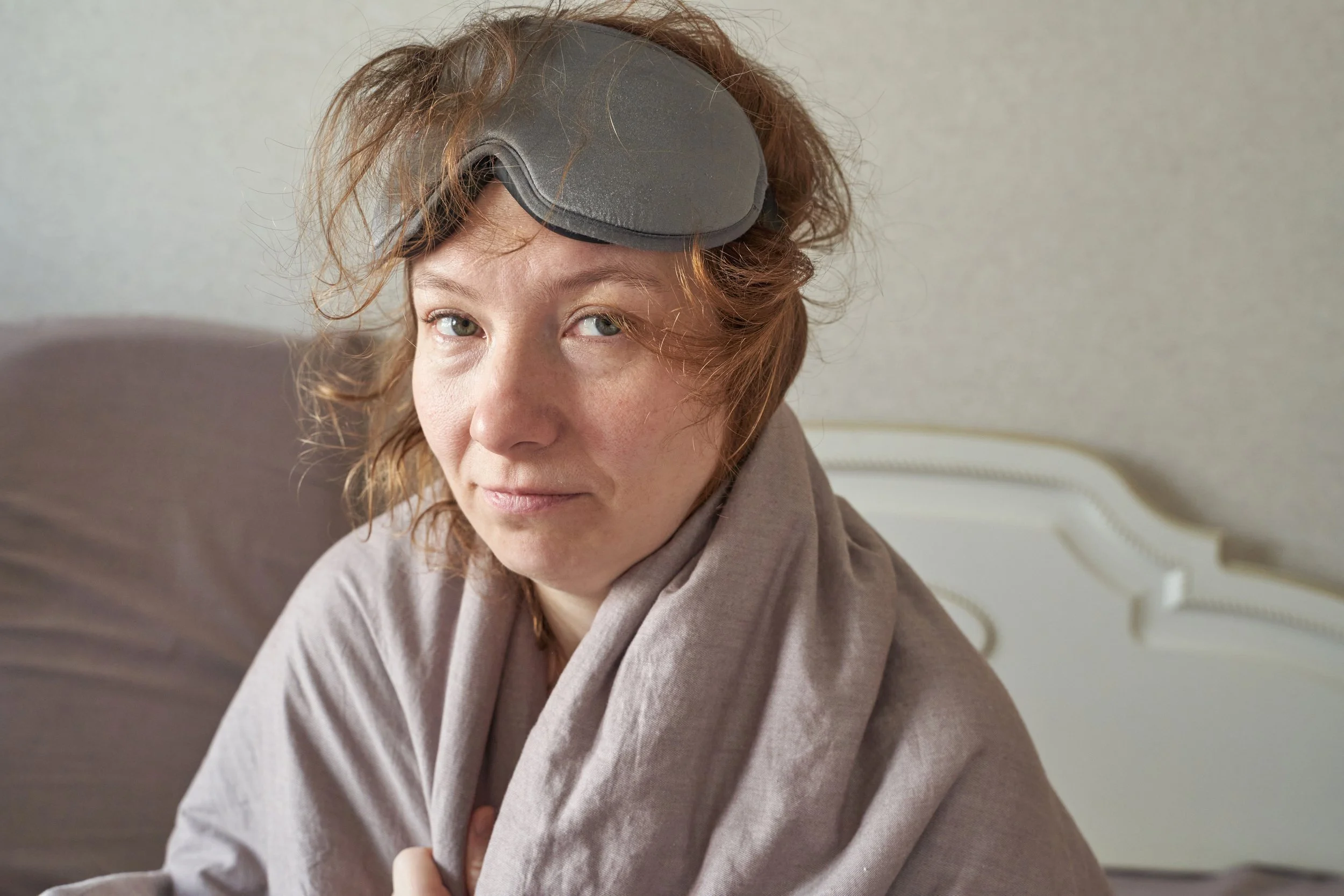
For many women, menopause seems like a sudden event that appears in the late 40s or early 50s. In reality, hormonal changes often begin much earlier sometimes years before a woman officially reaches menopause. What makes this transition especially confusing is that symptoms can appear gradually, inconsistently, and differently from one woman to another.
A woman may notice changes in energy, sleep, mood, body composition, skin, metabolism, or menstrual patterns without realizing that hormones are quietly shifting behind the scenes. These changes are often dismissed as stress, aging, burnout, or lifestyle imbalance when they may actually be part of a larger hormonal transition.
Understanding the three phases of hormonal change before menopause can help women recognize symptoms earlier, seek appropriate support, and make informed decisions about their health. More importantly, it allows women to stop blaming themselves for symptoms that are deeply connected to biological changes.
This guide breaks down the early, mid, and late hormonal transition phases before menopause, including what happens in the body, common symptoms, and practical strategies that may help women feel more balanced and supported during each stage.
Understanding the Hormonal Transition Before Menopause
Before menopause officially occurs, women go through a transitional stage commonly referred to as perimenopause. During this period, reproductive hormones primarily estrogen and progesterone begin fluctuating rather than declining in a straight line.
Research from the North American Menopause Society explains that hormonal fluctuations can begin several years before menstrual periods fully stop. These fluctuations affect far more than reproductive health. Hormones influence the brain, metabolism, cardiovascular system, bones, sleep cycles, and emotional regulation.
Many women are surprised to learn that symptoms may begin in their late 30s or early 40s, long before they consider themselves close to menopause.
The hormonal transition is often divided into three general patterns:
Early Transition
Mid Transition
Late Transition
Each stage carries its own physical and emotional changes.
Phase 1: The Early Hormonal Transition
What Happens During the Early Transition?
The early phase typically begins subtly. Ovulation may become less consistent, and progesterone levels often decline before estrogen significantly changes. Because progesterone plays a key role in calming the nervous system and balancing estrogen, even slight shifts can affect how women feel day to day.
At this stage, menstrual cycles may still appear “normal,” which is why symptoms are frequently overlooked.
Common Signs of the Early Transition
Women in the early transition phase often experience:
Increased PMS symptoms
Anxiety or irritability
Sleep disturbances
Fatigue despite adequate rest
Breast tenderness
Heavier or shorter menstrual cycles
Brain fog
Reduced stress tolerance
Mild weight gain around the abdomen
These symptoms may come and go unpredictably. One month may feel manageable while the next feels emotionally or physically exhausting.
Why Many Women Miss This Stage
One of the biggest misconceptions about hormonal change is that menopause symptoms only appear when periods stop. In reality, hormonal instability often begins years earlier.
Many women attribute symptoms to:
Career stress
Parenting demands
Poor sleep habits
Aging
Nutritional deficiencies
While those factors can contribute, fluctuating hormones are frequently part of the picture.
Helpful Strategies During Early Transition
Women in this phase often benefit from lifestyle adjustments focused on nervous system regulation and metabolic support:
Prioritize Sleep Quality
Hormonal fluctuations can affect melatonin production and cortisol balance. Creating consistent sleep routines becomes increasingly important.
Support Blood Sugar Stability
Large swings in blood sugar may intensify fatigue, irritability, and cravings. Balanced meals with protein, fiber, and healthy fats can help support hormone health.
Reduce Chronic Stress
High cortisol levels may worsen hormone imbalance symptoms. Activities like walking, resistance training, meditation, and breathwork may help regulate stress responses.
Track Symptoms
Keeping a cycle and symptom journal can help identify patterns over time and provide valuable information for healthcare providers.
Some women also begin exploring medical support options during this stage, including consultations with a telehealth HRT provider when symptoms start affecting quality of life.
Phase 2: The Mid Hormonal Transition
The Most Confusing Stage for Many Women
The mid-transition phase is often where symptoms intensify and become harder to ignore. Estrogen levels begin fluctuating more dramatically. Instead of following predictable monthly patterns, hormones may spike high one week and drop significantly the next.
This instability can create both physical and emotional symptoms that feel disruptive and inconsistent.
Common Symptoms During Mid Transition
Women commonly report:
Hot flashes
Night sweats
Mood swings
Increased anxiety
Low libido
Hair thinning
Joint discomfort
Sleep disruption
Difficulty concentrating
Irregular menstrual cycles
Some women describe feeling “not like themselves” during this stage. Emotional resilience may feel lower, and symptoms may begin affecting work performance, relationships, or daily routines.
The Connection Between Hormones and Mental Health
Hormones directly influence neurotransmitters such as serotonin and dopamine. As estrogen fluctuates, mood regulation may become more difficult.
Research from Cleveland Clinic Women’s Health Resources highlights how hormonal fluctuations can significantly affect sleep, cognition, and emotional well-being during perimenopause.
Unfortunately, many women are prescribed solutions for isolated symptoms without evaluating hormonal changes as a contributing factor.
Mid-Transition Support Strategies
Strength Training and Muscle Health
Muscle mass naturally declines with age and hormonal shifts. Resistance training may support metabolism, insulin sensitivity, and bone density.
Cardiovascular Support
Heart health becomes increasingly important during hormonal transition years. Regular movement, hydration, and nutritional support may help reduce long-term risks.
Medical Evaluation
Women experiencing significant symptoms may benefit from speaking with a healthcare professional about treatment options, including the best hormone replacement therapy approaches based on individual needs and medical history.
Treatment plans vary widely and may include:
Lifestyle interventions
Nutritional support
Hormone testing
Prescription therapies
Non-hormonal symptom management
Some healthcare systems now offer an HRT online prescription process through virtual consultations, making care more accessible for women balancing work, caregiving, and busy schedules.
Phase 3: The Late Hormonal Transition
Approaching Menopause
The late transition stage occurs closer to menopause itself. Estrogen production declines more consistently, and menstrual periods may become increasingly infrequent before eventually stopping altogether.
Menopause is officially diagnosed after 12 consecutive months without a menstrual period.
For some women, symptoms begin stabilizing during this stage. For others, symptoms become more intense due to lower estrogen levels.
Common Symptoms During the Late Transition
Women may experience:
More frequent hot flashes
Vaginal dryness
Sleep disruption
Skin dryness
Urinary changes
Reduced energy
Decreased bone density
Increased abdominal fat storage
Reduced recovery after exercise
At this stage, long-term health considerations become especially important.
Hormones and Long-Term Health
Estrogen supports several systems throughout the body, including:
Bone health
Cardiovascular health
Brain function
Skin elasticity
Metabolic regulation
This is one reason why conversations around hormone therapy for women continue evolving within modern medicine.
For appropriate candidates, hormone therapy may help improve quality of life and reduce certain menopause-related symptoms when carefully monitored by qualified healthcare providers.
Common Myths About Hormonal Transition
Myth #1: “I’m Too Young for Hormonal Changes”
Many women begin noticing hormonal shifts in their late 30s or early 40s.
Myth #2: “It’s Just Stress”
Stress can worsen symptoms, but hormones may still play a major role.
Myth #3: “Menopause Happens Overnight”
The transition often unfolds over several years.
Myth #4: “Every Woman Experiences It the Same Way”
Hormonal changes vary dramatically between individuals due to genetics, lifestyle, stress, nutrition, and overall health.
When Should Women Seek Professional Support?
Women should consider speaking with a healthcare provider if symptoms:
Interfere with sleep
Affect mental health
Disrupt work performance
Impact relationships
Cause persistent fatigue
Affect daily functioning
Early education and support may help women feel more empowered and less overwhelmed during this transition.
Healthcare access has also expanded significantly in recent years. Many women now use virtual care services and telemedicine platforms to discuss symptoms privately and conveniently with licensed professionals.
The Future of Women’s Hormonal Health
For decades, conversations around women’s hormonal health were often limited or oversimplified. Today, there is growing awareness that hormonal transitions affect much more than reproductive function.
Women are increasingly seeking:
Personalized healthcare
Preventive wellness support
Evidence-based education
Accessible treatment options
Integrated hormone care
This shift is helping more women recognize symptoms earlier and advocate for the support they deserve.
Final Thoughts
The hormonal transition before menopause is not a single moment it is a gradual process that often unfolds in phases. The early, mid, and late transition stages each bring unique changes that can affect physical health, emotional well-being, sleep, metabolism, and overall quality of life.
Understanding these patterns allows women to approach hormonal changes with more clarity and confidence rather than confusion or self-criticism.
Most importantly, women should know they do not have to navigate these changes alone. Education, lifestyle support, and appropriate medical guidance can make a meaningful difference during every stage of the hormonal transition journey.