Why You Feel Off: Understanding Hormone Imbalance During Perimenopause

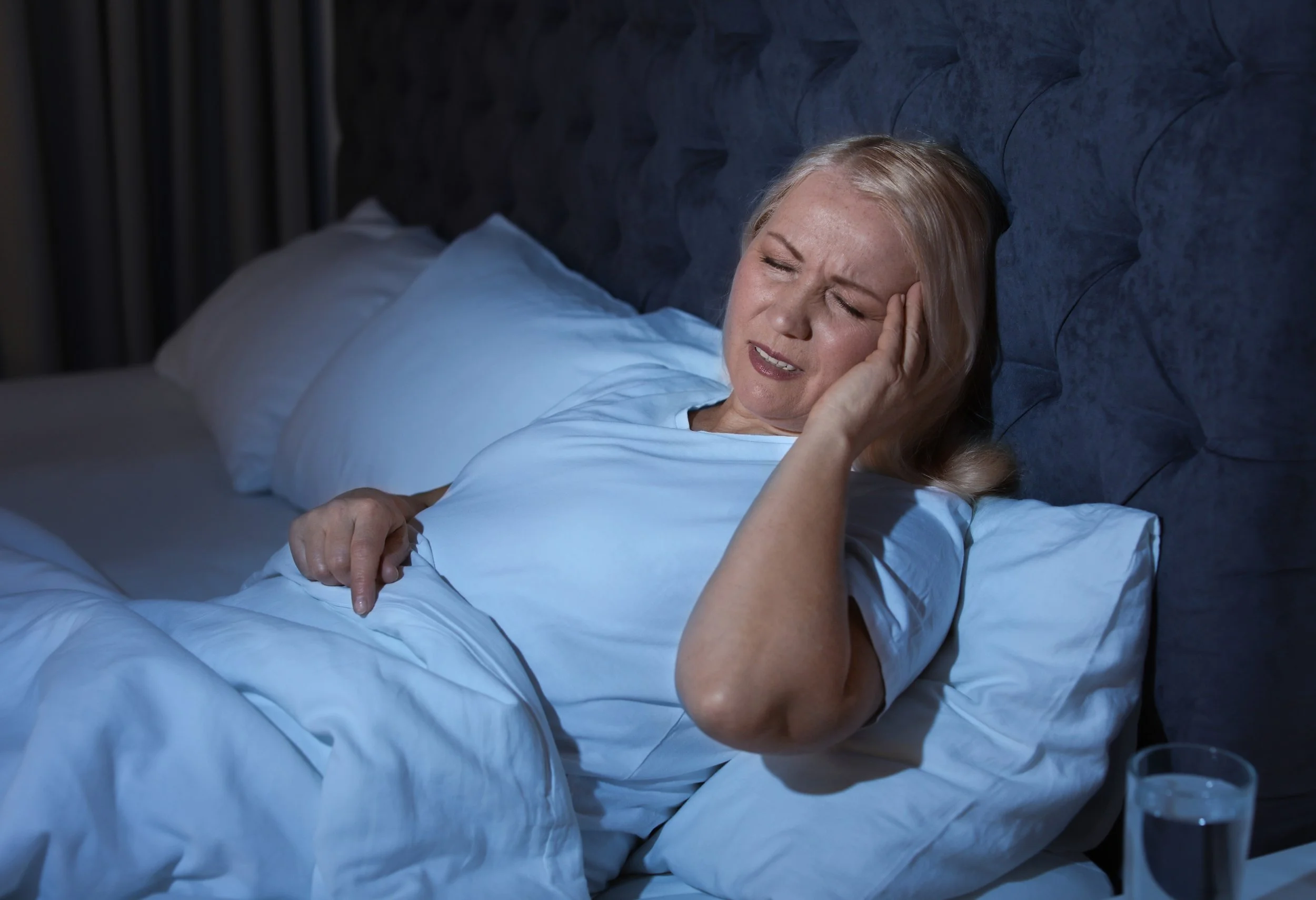
Many women reach a point in their late 30s or 40s where something just doesn’t feel right. Energy dips, mood swings appear out of nowhere, sleep becomes unpredictable, and weight changes feel harder to manage. These shifts are often dismissed as stress or aging but in many cases, they are early indicators of hormonal changes tied to perimenopause.
Understanding what’s happening in your body is the first step toward regaining control. This guide breaks down the science, symptoms, and solutions so you can move forward with clarity and confidence.
Understanding Hormone Imbalance During Perimenopause
Recognize What Perimenopause Really Is
Perimenopause is the transitional phase leading up to menopause, where hormone levels, especially estrogen and progesterone fluctuate unpredictably. This phase can last anywhere from 4 to 10 years.
Hormonal fluctuations during this period are natural but can significantly affect how you feel daily.
Identify the Most Common Symptoms
Recognizing perimenopause symptoms early can help you take proactive steps. These may include:
Irregular periods
Mood swings or anxiety
Brain fog and memory lapses
Night sweats and hot flashes
Fatigue and sleep disturbances
Weight gain, especially around the abdomen
Understanding these symptoms helps differentiate hormonal imbalance from other health conditions.
Understand the Root Cause
Hormone imbalance during perimenopause is primarily driven by fluctuating estrogen levels. Unlike menopause (where hormones decline steadily), perimenopause is characterized by unpredictability.
This hormonal rollercoaster impacts:
Brain chemistry (affecting mood)
Metabolism (affecting weight)
Sleep cycles (affecting recovery and energy)
Explore Treatment Options
There is no one-size-fits-all approach. Treatment depends on symptom severity, lifestyle, and health history.
Options may include:
1. Lifestyle Adjustments
Balanced nutrition
Strength training and movement
Stress management techniques
2. Medical Support
For some women, hormone therapy for women can provide relief by stabilizing hormone levels.
3. Targeted Treatments
A structured perimenopause hormone treatment plan may involve:
Estrogen therapy
Progesterone support
Non-hormonal medications
Build a Long-Term Support System
Navigating perimenopause alone can feel overwhelming. Many women benefit from a structured menopause support program that combines medical guidance, nutrition, and lifestyle coaching.
Top Challenges Women Face (and What Helps)
Problem 1: “I Feel Constantly Tired”
Cause: Hormonal fluctuations disrupting sleep cycles Solution:
Prioritize sleep hygiene
Reduce caffeine intake
Consider magnesium supplementation (consult your provider)
Problem 2: “My Mood Feels Unstable”
Cause: Estrogen impacts serotonin levels Solution:
Regular exercise
Mindfulness or therapy
Medical consultation for severe symptoms
Problem 3: “Weight Gain Feels Uncontrollable”
Cause: Slower metabolism + insulin sensitivity changes Solution:
Strength training over excessive cardio
Balanced macronutrient intake
Avoid extreme dieting
What Research Says
Studies show that up to 80% of women experience noticeable symptoms during perimenopause.
Hormonal fluctuations, not just decline are the primary driver of mood and energy changes.
Evidence supports individualized care over generic treatment plans.
Old Method vs. New Approach
Old Method
Ignoring symptoms
Extreme dieting
Over-reliance on cardio
Generic health advice
New Approach
Personalized hormone assessment
Balanced nutrition
Strength + mobility training
Evidence-based care plans
This shift reflects a deeper understanding of how hormones influence overall well-being, not just reproductive health.
Practical Ways to Feel Like Yourself Again
Daily Habits That Make a Difference
Eat protein-rich meals to stabilize blood sugar
Move your body consistently, not excessively
Prioritize rest and recovery
Stay hydrated
Weekly Practices
Plan meals intentionally
Schedule downtime
Track symptoms to identify patterns
When to Seek Help
If symptoms interfere with daily life, it’s time to consult a healthcare provider. Early intervention leads to better outcomes.
Common Misconceptions About Perimenopause
Myth 1: “It’s Just Part of Aging You Have to Deal With It”
Reality: While natural, symptoms can be managed effectively.
Myth 2: “Hormone Therapy Is Unsafe for Everyone”
Reality: For many women, it is safe when guided by a qualified professional.
Myth 3: “Symptoms Only Start in Your 50s”
Reality: Perimenopause can begin as early as your mid-30s.
The Future of Women’s Hormonal Health
Healthcare is shifting toward personalized, accessible solutions. Telehealth, advanced hormone testing, and integrative care models are making it easier for women to get the support they need.
This evolution means you no longer have to guess what’s happening in your body, you can understand it and take action.
Final Thoughts
Feeling “off” is not something you have to ignore or normalize. It’s often your body signaling that hormonal changes are underway.
By recognizing perimenopause symptoms, exploring safe and effective hormone therapy for women, considering tailored perimenopause hormone treatment, and engaging in a reliable menopause support program, you can regain balance and improve your quality of life.
The key isn’t just managing symptoms, it's understanding your body and supporting it in a way that works for you long-term.