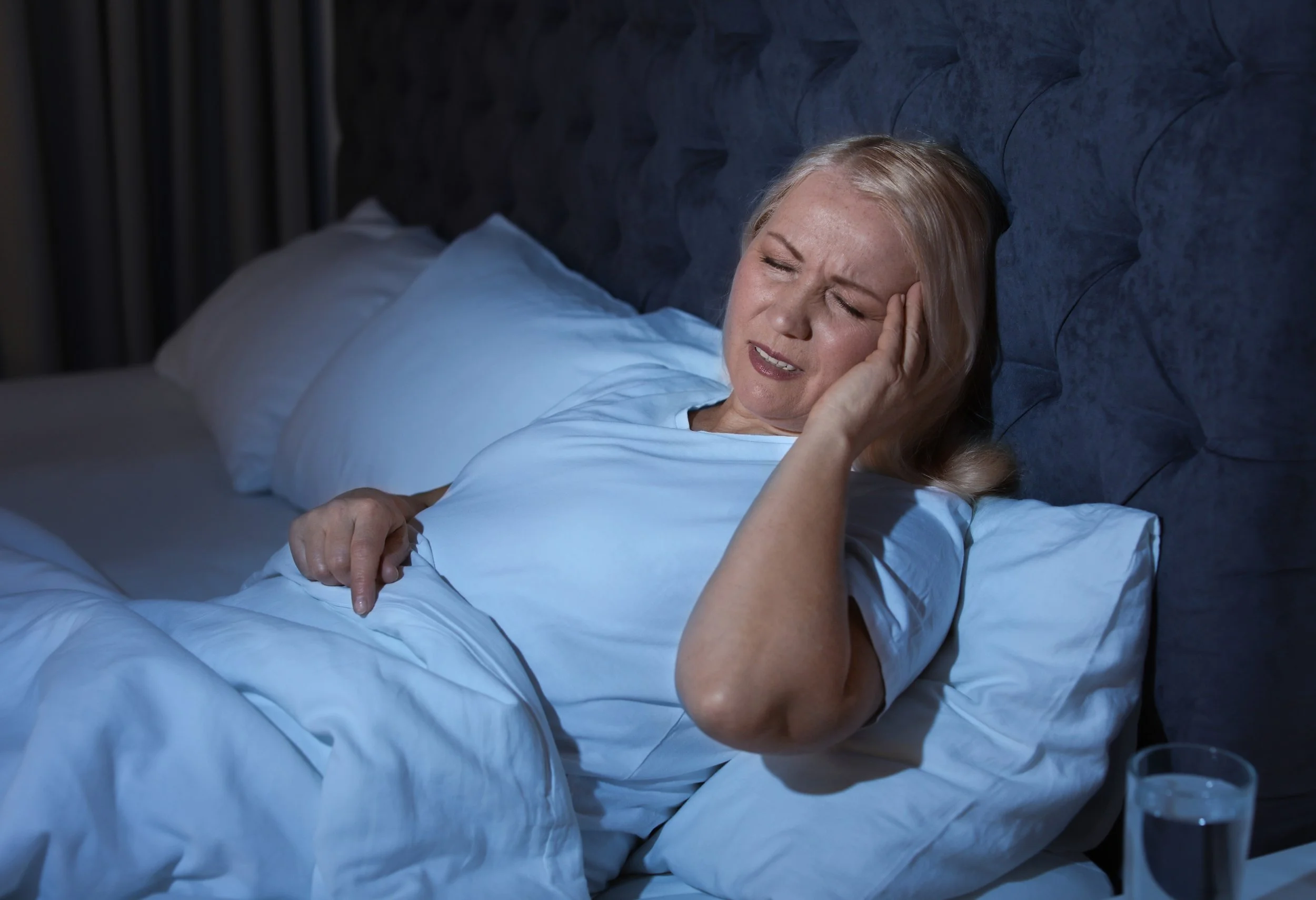
Menopause is a universal chapter in women’s lives yet until recently, it was often treated as a private burden instead of a health priority. For decades, women were told to “just get through it.” Today, informed solutions are changing that narrative. From hormone care to community support and digital treatment programs, women finally have options backed by science, empathy, and professional guidance.
In this comprehensive guide, we’ll explore how menopause support programs are transforming women’s health step‑by‑step, with actionable insights, reliable research, and real‑life relevance.
Understanding Menopause: A Health Transition, Not an Isolation Sentence
Menopause marks the end of menstrual cycles and signals a drop in estrogen and progesterone production. It typically occurs around age 45–55 but varies widely. Common symptoms include:
Hot flashes
Night sweats
Mood swings
Fatigue
Sleep disruptions
Cognitive changes
These symptoms are real, complex, and deeply personal affecting not only physical health but emotional well‑being, work productivity, relationships, and long‑term health outcomes.
Despite this, many women don’t get accurate guidance. A lack of education, stigma, and oversimplified medical advice have left millions struggling in silence.
The Problem: Traditional Health Care Is Not Enough
Historically, menopause was minimized in clinical settings. Women were often given one‑size‑fits‑all advice, like lifestyle changes without deeper support.
Common challenges women face today include:
Confusion about treatment options
Inconsistent medical care
Lack of coordinated support
Limited access to menopause‑specific expertise
The result? Women feel alone and under‑supported at a time when their bodies and minds are going through significant changes.
What Are Menopause Support Programs? (And Why They Matter)
A Modern Paradigm Shift
Menopause support programs are comprehensive systems designed to help women manage this transition with education, community, medical guidance, and lifestyle support.
These programs typically combine:
Educational resources (workshops, webinars, guides)
Medical consultation
Hormone management and monitoring plans
Peer support networks
Lifestyle counseling (nutrition, sleep, stress)
Importantly, these programs bridge the gap between clinical medicine and lived experience.
How Menopause Support Programs Work
Let’s break down how these programs help women navigate menopause successfully:
Assessment and Personalized Care
Most reputable programs begin with a detailed health assessment, medical history, symptom tracking, and goals.
Why it matters: Menopause is not one‑size‑fits‑all. A personalized plan ensures the right support.
Evidence‑Based Hormone Guidance
Hormone fluctuations drive most symptoms of menopause. A professional menopause support program can help women explore hormone therapy for women with clinical guidance.
Hormone therapy is not new but modern evaluation and monitoring ensure safer and more effective use.
Structured Education and Tools
Programs educate women about:
Why symptoms occur
What to expect from midlife changes
How to manage symptoms at home and in daily life
When medical intervention is useful
They also introduce symptom trackers, sleep planners, and stress management tools all designed to put women back in control.
Community and Emotional Support
Isolation is one of the heaviest burdens of menopause. Peer groups, facilitated discussions, and community networks let women share stories, insights, and encouragement. These connections are therapeutic evidence that shows social support improves health outcomes across life stages.
Ongoing Monitoring
Menopause is a process, not a moment. Effective programs check in regularly adjusting plans, evaluating treatment impact, and offering continuous support.
This ongoing care separates quality menopause programs from sporadic, one‑off advice.
The Rise of Virtual Treatment: Best Online Menopause Treatment Options
In recent years, online menopause support programs have surged increasing accessibility and convenience. These include:
Telehealth consultations
Digital symptom tracking
Virtual coaching
Educational modules
If you’re searching for the best online menopause treatment options, ensure they include:
✔ Professional medical oversight
✔ Evidence‑based protocols
✔ Secure patient data practices
✔ Clear symptom tracking and progress evaluation
Trusted research continues to highlight telehealth’s effectiveness in managing chronic conditions and life transitions, including menopause.
Common Misconceptions About Treatment and Support
Let’s confront myths that keep women from accessing the help they need:
“Menopause is just aging, nothing to treat.”
Truth: Menopause is a biological transition with measurable effects. Support programs treat symptoms and improve quality of life.
“Hormone therapy is dangerous.”
Truth: When prescribed and monitored properly, hormone therapy can be safe and effective for many women. It’s about risk‑benefit evaluation, not fear.
“You have to suffer through menopause alone.”
Truth: Community support and modern care make this transition manageable and even empowering.
Practical Tips for Thriving Through Menopause
Here’s how women can optimize health and well‑being during menopause:
Prioritize Sleep
Poor sleep worsens mood, cognition, and energy. Establish routines and environmental cues.
Balanced Nutrition
Focus on calcium, vitamin D, anti‑inflammatory foods, and hydration.
Physical Activity
Strength training and cardio improve bone health, mood, and metabolic function.
Mind‑Body Stress Reduction
Meditation, yoga, and breathwork reduce stress and tension.
Professional Support
Don’t underestimate guided medical care or structured menopause support programs; they close knowledge gaps and reduce uncertainty.
How These Programs Impact Women’s Health Outcomes
Studies show that coordinated, supportive care during menopause improves:
Symptom severity managementEmotional well‑beingQuality of lifeLong‑term health outcomes
Comprehensive programs empower women with knowledge, tools, and community reversing fear and isolation.
What to Look for in a Menopause Support Program
Before choosing a program, evaluate:
Medical credentials
Scientific approach
Evidence of patient success
Accessibility (virtual/in‑person options)
Community resources
A quality program treats both body and mind, not just symptoms.
A New Era of Midlife Care
Today’s menopause support programs are redefining how women experience midlife. Women no longer have to guess, suffer alone, or accept inadequate care. Instead, they have access to:
Science‑based medical guidancePeer supportEducational clarityPersonalized treatment plans
This is more than health care, it's health empowerment.
You’re not alone anymore. And that matters.
If you’re navigating menopause and seeking structured guidance, supportive community connections, or evidence‑based care, The Balanced Woman is here to help. Our trusted menopause programs connect you with accredited practitioners, practical resources, and compassionate support every step of the way. Your health journey deserves clarity, confidence, and expert guidance and with The Balanced Woman, you don’t have to face it alone.