Hormones, Mood, and Weight: Connecting the Dots During Perimenopause

Perimenopause is often described as a transition, but for many women, it feels more like a complete reset of the body. One day everything feels normal, and the next, you are dealing with unexplained mood swings, stubborn weight gain, and low energy. These changes are not random. They are deeply connected to shifting hormones.
Understanding how hormones influence mood and weight can help you feel more in control during this stage. When you know what is happening inside your body, it becomes easier to make informed decisions about your health and explore solutions that truly work.
What Is Happening During Perimenopause
Perimenopause is the stage leading up to menopause, often beginning in a woman’s 40s, though it can start earlier. During this time, the body gradually produces less estrogen and progesterone. These hormones do more than regulate your menstrual cycle. They influence brain chemistry, metabolism, sleep, and even how your body stores fat.
Many women notice early perimenopause symptoms such as irregular periods, hot flashes, sleep disturbances, and emotional changes. According to research published in journals like The Journal of Clinical Endocrinology & Metabolism, fluctuating estrogen levels can directly impact neurotransmitters like serotonin, which plays a key role in mood regulation.
This explains why anxiety, irritability, or even depression can appear during this phase, even in women who have never experienced them before.
The Hormone and Mood Connection
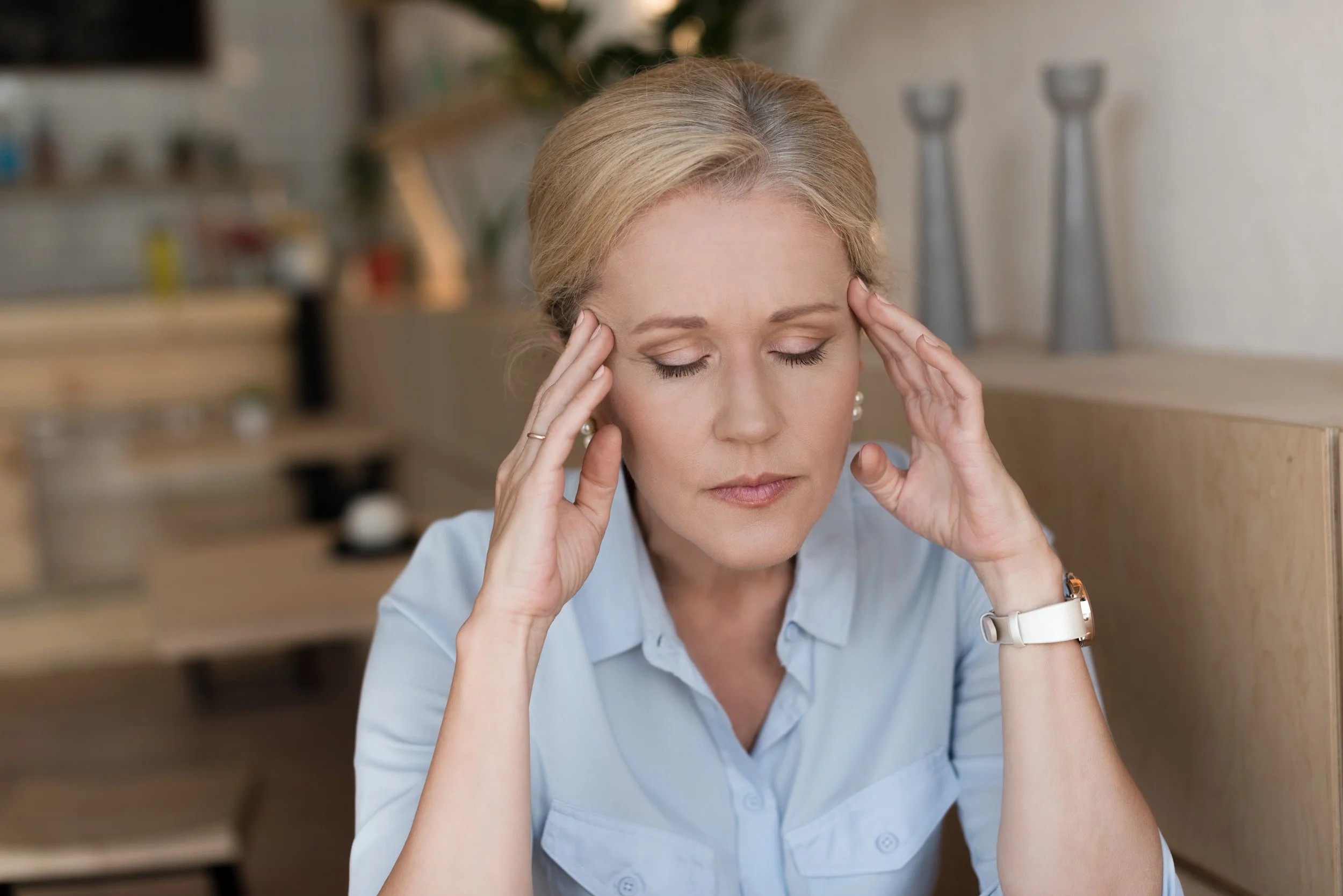
Hormones and mood are closely linked. Estrogen helps regulate serotonin and dopamine, both of which affect how you feel on a daily basis. When estrogen levels fluctuate, these brain chemicals can become unstable.
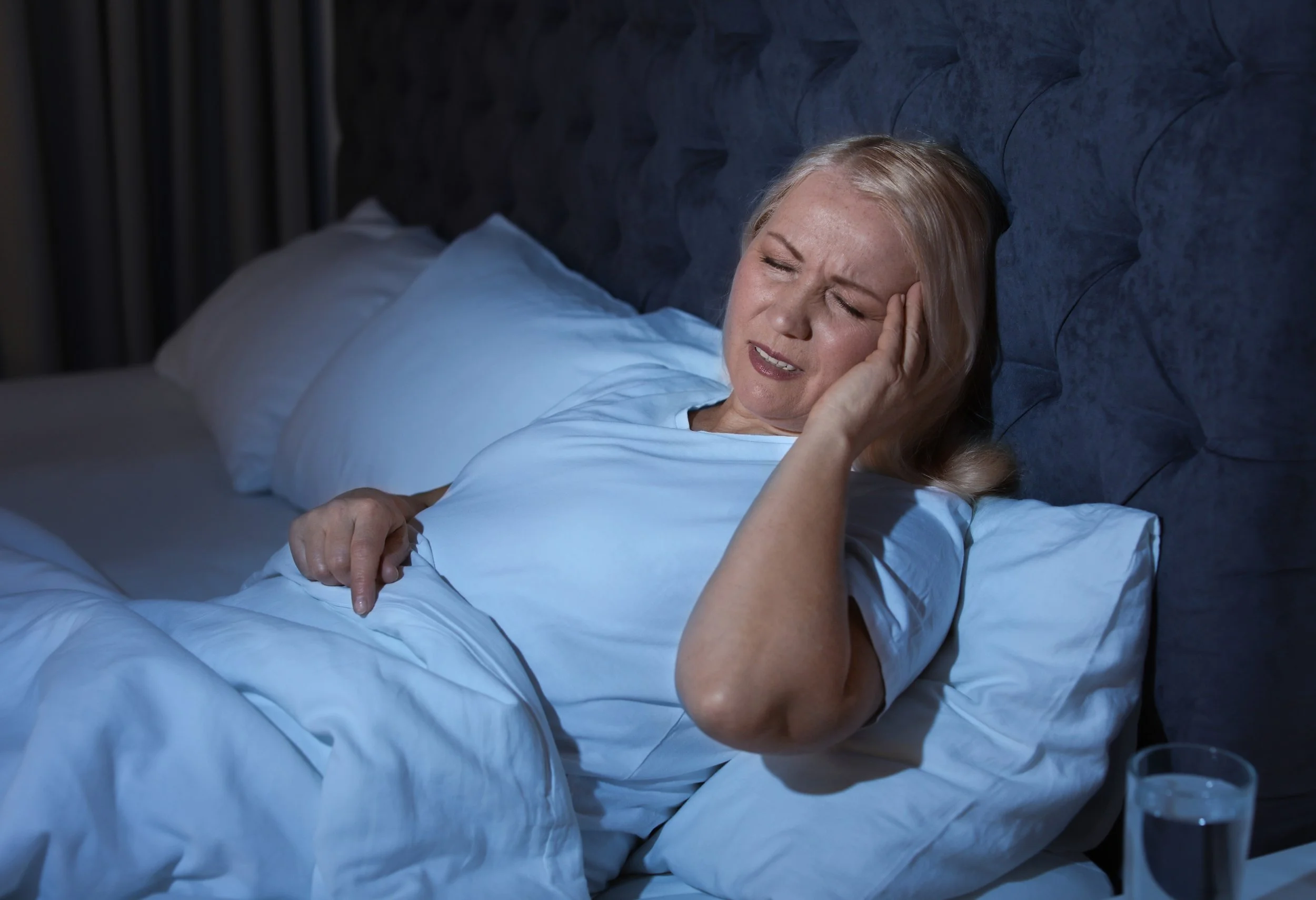
This is why perimenopause symptoms often include mood swings that feel unpredictable. You might feel calm one moment and overwhelmed the next. Sleep disruptions can make things worse, creating a cycle of fatigue and emotional stress.
Studies from institutions like the National Institutes of Health have shown that women in perimenopause are more vulnerable to mood disorders due to hormonal variability. This is not just emotional sensitivity. It is a biological response.
Addressing these changes is important, not just for mental health, but for overall quality of life.
Why Weight Gain Happens
Weight gain during perimenopause can feel frustrating, especially when your habits have not changed. The truth is, your metabolism is changing.
Lower estrogen levels can lead to increased fat storage, particularly around the abdomen. At the same time, muscle mass tends to decrease with age, which slows down calorie burning. Insulin sensitivity may also decline, making it easier to gain weight and harder to lose it.
Research from Mayo Clinic Proceedings highlights that hormonal shifts during this stage contribute to changes in body composition, even if calorie intake remains the same.
Another factor is cortisol, the stress hormone. When you are dealing with poor sleep and mood fluctuations, cortisol levels can rise. This further promotes fat storage and cravings for high calorie foods.
All of these factors combine, making weight management more challenging than before.
The Role of Hormone Support
For women struggling with these changes, exploring options like hormone therapy for women can be life changing. This approach aims to restore hormonal balance, helping reduce symptoms and improve overall well being.
Hormone therapy works by supplementing the body with hormones that are declining, such as estrogen and progesterone. Clinical studies have shown that this can help stabilize mood, improve sleep, and even support healthier weight management when combined with lifestyle changes.
Many women who experience severe perimenopause symptoms find that hormone therapy for women provides relief when other methods fall short.
It is important to note that treatment should always be personalized. Working with professionals who understand your unique needs ensures a safer and more effective approach.
Understanding Hormone Replacement Therapy
Hormone replacement therapy for women is one of the most well researched treatments for managing menopausal transitions. It involves replacing hormones that the body no longer produces in sufficient amounts.
According to the North American Menopause Society, hormone replacement therapy for women can significantly reduce hot flashes, night sweats, and mood instability. It may also help prevent bone loss, which becomes a concern as estrogen levels drop.
For weight concerns, hormone replacement therapy for women can support metabolic function, although it is not a standalone solution. Combining it with proper nutrition, regular exercise, and stress management is key.
Still, for many women, it provides the foundation needed to regain control over their bodies.
A Holistic Approach to Feeling Better
While medical options can be helpful, lifestyle changes remain essential. Small adjustments can have a big impact when combined with the right support.
Focus on strength training to maintain muscle mass and boost metabolism. Prioritize sleep by creating a consistent bedtime routine. Eat balanced meals rich in protein, healthy fats, and fiber to support hormonal health.
Stress management is equally important. Practices like mindfulness, yoga, or even simple breathing exercises can help regulate cortisol levels and improve mood.
At The Balanced Woman, the focus is on helping women navigate this stage with confidence. By combining expert guidance with personalized care, women are empowered to understand their bodies and choose solutions that align with their goals.
When to Seek Help
Not all symptoms require medical treatment, but if they begin to interfere with your daily life, it is time to seek professional support. Persistent mood swings, rapid weight gain, or severe fatigue should not be ignored.
Early intervention can make a significant difference. Whether through lifestyle changes, hormone therapy for women, or hormone replacement therapy for women, there are options available to help you feel like yourself again.
Reclaiming Control During Perimenopause
Perimenopause is not the end of balance. It is a shift that requires a new understanding of your body. The changes you are experiencing are real, and they are rooted in biology.
By recognizing the connection between hormones, mood, and weight, you can take proactive steps toward better health. With the right support and knowledge, this stage can become an opportunity to reconnect with your body and prioritize your well being.
You deserve to feel strong, clear headed, and in control. And with the right approach, that is entirely possible.